
Vandaag of morgen in huis

Kwaliteit gegarandeerd

Welkomstaanbiedingen ontgrendelen: GRATIS bezorging | Tot 80% korting | Gratis 30 dagen JoyPlus-proefperiode
Download de app
The beverage aisle can be overwhelming. Everywhere you look, bottles and cartons promise to be refreshing and "healthy." A vitamin drink seems like an easy way to get some extra nutrients. But behind the colourful labels, you'll often find unnecessary sugars and deceptive claims. Before you fill your shopping cart, it's wise to know what to look for.
Many consumers fall for a few common pitfalls:
Making a smart choice is simpler than it seems. It all comes down to reading the label and understanding a few key points.
To avoid paying for expensive, sugary water, you can focus on three concrete specifications. These will help you distinguish marketing jargon from factual product information.
This is arguably the most important factor. Look at the nutrition table for "Carbohydrates, of which sugars" per 100 ml. This provides the most honest comparison.
A good vitamin drink specifies which vitamins have been added. Common ones include:
Check if the amount is listed, ideally as a percentage of the Daily Reference Intake (DRI). This indicates how much the drink contributes to your daily needs.
The base liquid determines the taste, texture, and nutritional value.
Based on these criteria, we have selected a few products that suit different needs and preferences.
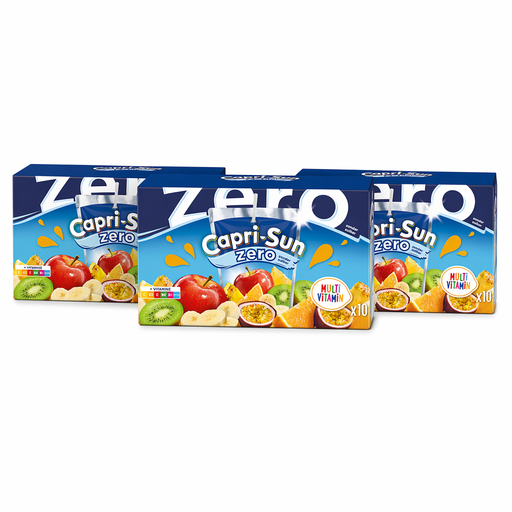
Why This Fits Their Persona: Ideal for parents looking for convenient kids' drinks for school lunchboxes or when on the go. The individual pouches are easy to pack, and the flavour is popular with children.
This product tackles the sugar trap head-on: it contains 0 grams of sugar. Furthermore, the fixed 200 ml serving size prevents unintentional overconsumption.
Contains a mix of vitamins (C, B3, E, B6, B1, Biotin). The packaging is convenient, and the drink is completely sugar-free.
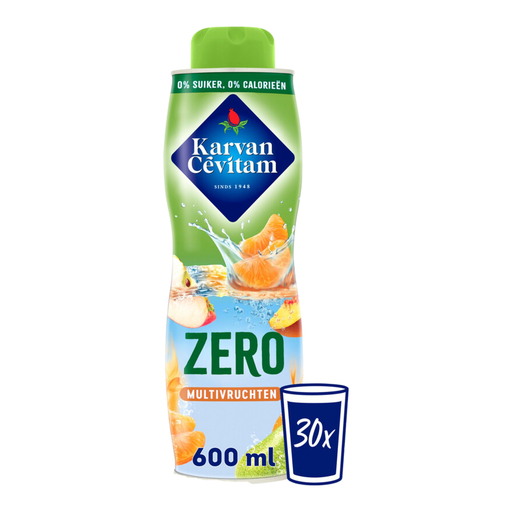
Why This Fits Their Persona: For those who are watching their budget and want to reduce waste. With one bottle of 0% sugar squash/syrup, you can make up to 30 glasses of lemonade. You have complete control over the strength and, therefore, the taste.
This syrup contains 0% sugar and 0 calories, completely bypassing the sugar trap. Because you determine the serving size yourself, there's no misleading serving-size information.
Very economical to use (up to 6 litres per bottle). It is a source of vitamin C and contains no artificial colours or flavours.
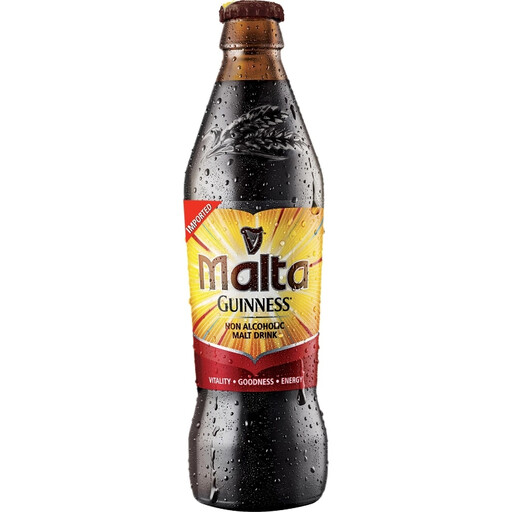
Why This Fits Their Persona: For those who want something different from a standard fruit drink. This non-alcoholic malt drink has a unique, rich, and slightly sweet taste derived from barley and sorghum.
This product doesn't pretend to be a low-calorie "health drink." The label is clear about the carbohydrates and sugars (11 g per 100 ml), which are inherent to a malt beverage. You know exactly what you're getting.
Offers a unique flavour profile and is enriched with B vitamins (B1, B2, B3, B5, B6). It's a filling and refreshing drink made from natural ingredients.
We have compiled a complete, up-to-date list of products that meet these selection criteria and comply with UK & EU regulations.
1. Is a vitamin drink a substitute for fruit? No. While a vitamin drink can be a convenient supplement, it cannot replace whole fruit. In addition to vitamins, fruit contains fibre, minerals, and other bioactive compounds that are important for your health. Think of a vitamin drink as a bonus, not a staple.
2. How much sugar is acceptable in a multivitamin juice? There's no official rule, but a good rule of thumb is to aim for drinks with as little added sugar as possible. For juices based on fruit concentrate, a value below 7 grams of sugar per 100 ml is a reasonable guideline. The best option remains a drink with 0 grams of sugar, such as the sugar-free drinks sweetened with alternatives.
3. Are sweeteners in sugar-free drinks safe? Sweeteners approved in the EU, such as sucralose and stevia, have been deemed safe for consumption by the European Food Safety Authority (EFSA) within the acceptable daily intake (ADI). As with anything, it is wise to consume these drinks in moderation as part of a varied and balanced diet.
