
Vandaag of morgen in huis

Kwaliteit gegarandeerd

Welkomstaanbiedingen ontgrendelen: GRATIS bezorging | Tot 80% korting | Gratis 30 dagen JoyPlus-proefperiode
Download de app
Buying a vitamin D3 supplement might seem straightforward – until you start comparing labels. One pack lists micrograms, another IU. Some contain 60 capsules, others 365. And terms like “high strength” don’t really tell you what’s right for your situation.
For adults who don’t get much sun, have a darker skin tone, are pregnant, or are over 50 or 70, extra vitamin D can be beneficial. The right choice mainly depends on dosage, ease of use, ingredients and pack size.
Vitamin D3 is usually given in micrograms (mcg or µg) and international units (IU). For vitamin D:
A higher number on the pack doesn’t automatically mean a better choice. Always compare the amount per daily dose.
A high-strength vitamin D3 supplement, such as 75 mcg, isn’t necessary for everyone. The product information for the supplements mentioned is generally aimed at adults. If you already take vitamin D, are on medication, or have a medical condition, it’s wise to consult a doctor or pharmacist first.
According to Dutch health advice, extra vitamin D is recommended for people with a darker skin tone, those who don’t get much sun, pregnant women, and women from the age of 50. For men aged 70 and over, a higher daily intake is mentioned. Check the current recommendations for your situation and follow the instructions on the label.
A large pack might seem good value, but check how many capsules you take per day and how long the product will last. A pack of 365 capsules is practical for daily use over a longer period. If you want to try a capsule first to see if it suits you, it’s better to start with 60 or 120.
Common variants are vitamin D3 25 mcg, vitamin D3 1000 IU and vitamin D3 3000 IU. A supplement with 20 mcg is equivalent to 800 IU. Also check whether the recommended amount is one capsule or one tablet per day. This way, you avoid accidentally taking multiple doses.
Vitamin D3 capsules are often small softgels that you take with water, usually during or after a meal. Vitamin D is fat-soluble; the product information for several capsules therefore advises taking them with a meal.
Vitamin D3 tablets can be more convenient for people who don’t want to use gelatine capsules. Melt-in-the-mouth tablets dissolve on the tongue and, according to the product information, can be taken without water. Do pay attention to additional ingredients, such as sweeteners and flavourings.
Check the capsule material and any excipients. Some softgels contain beef gelatine and are therefore not suitable for vegans. The product information may also state that a product is free from gluten, lactose, sugar, salt or the 14 major EU allergens. If the information is contradictory, always check the current label on the pack.
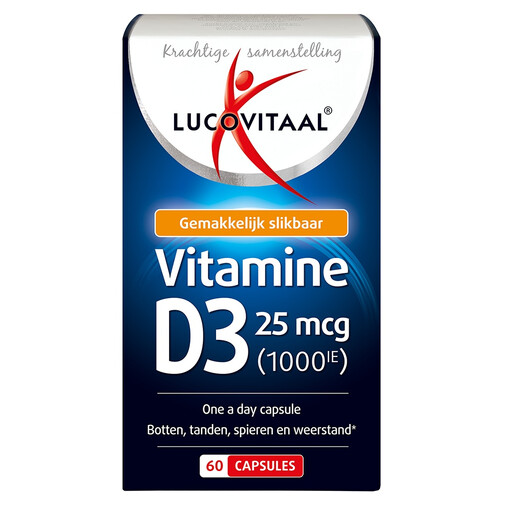
Why this fits the profile: The pack of 60 small softgels is ideal if you want to try a vitamin D3 supplement without committing to a large quantity. The stated daily amount is one capsule.
The dosage is clearly stated as 25 mcg per capsule, making it easy to compare mcg and IU. According to the product information, the capsule contains no added sugar or salt.
25 mcg vitamin D3 per capsule; 60 softgels; according to the product information, free from the 14 major EU allergens.
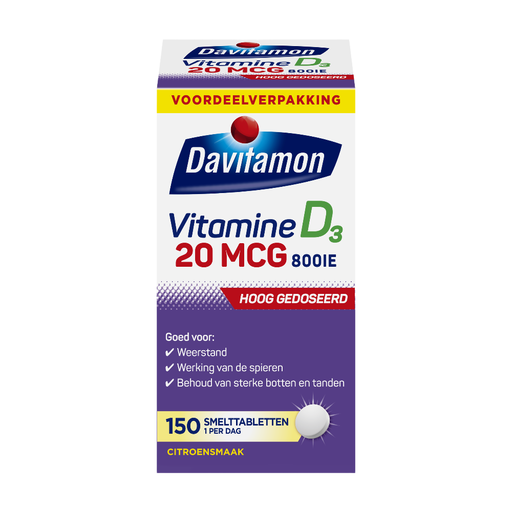
Why this fits the profile: The melt-in-the-mouth tablet is designed for adults who don’t want to swallow a capsule with water. One tablet contains 20 mcg, which is 800 IU.
The pack states both 20 mcg and 800 IU. This means you don’t have to guess the actual amount per daily tablet.
150 melt-in-the-mouth tablets; can be taken without water; according to the product information, gluten- and lactose-free.
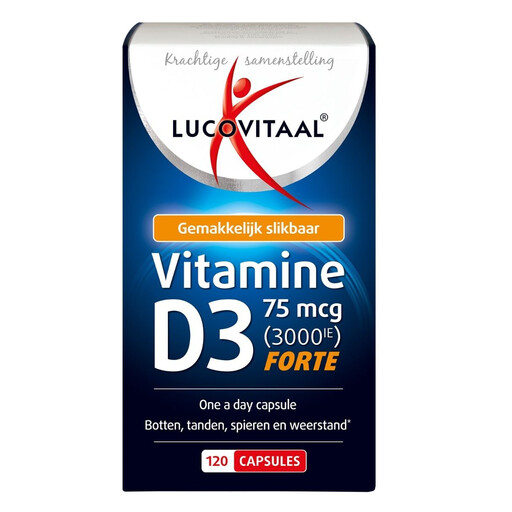
Why this fits the profile: This variant is aimed at adults who specifically want a higher amount per capsule. One capsule contains 75 mcg, equivalent to 3000 IU.
The high dosage is prominently stated as 75 mcg. This makes the choice verifiable, but also highlights that you should not exceed the recommended dose.
75 mcg per softgel; 120 capsules; according to the product information, take once a day, preferably with a meal.
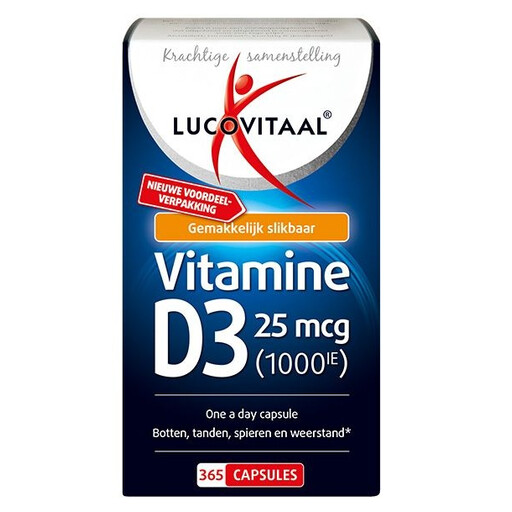
Why this fits the profile: The combination of 25 mcg per capsule and 365 capsules is ideal for adults who take vitamin D3 daily and don’t want to reorder a new pack too often.
The dosage is given in both 25 mcg and 1000 IU. The high number of capsules makes it easier to compare the price per daily dose.
365 capsules; 25 mcg (1000 IU) per capsule; softgel form; according to the product information, to be taken once daily.
We’ve put together a full, up-to-date list of products that fully meet these strict selection criteria and comply with current European safety regulations.
Yes. 25 mcg of vitamin D3 is equivalent to 1000 IU. Always check whether the stated amount is per capsule, tablet or daily dose.
Capsules are usually swallowed with water, often with a meal. Melt-in-the-mouth tablets dissolve on the tongue and, according to the product information, can be taken without water. The choice mainly depends on your preference and the ingredients you want to avoid.
That depends on the number of units and the dosage. With one capsule or tablet per day, a pack of 60 will last about two months, 120 about four months, and 365 about a year. Always check the expiry date and store the product according to the label.
