
Vandaag of morgen in huis

Kwaliteit gegarandeerd

Welkomstaanbiedingen ontgrendelen: GRATIS bezorging | Tot 80% korting | Gratis 30 dagen JoyPlus-proefperiode
Download de app
Choosing a vitamin D3 supplement might seem straightforward, but packaging can be confusing. One variant contains 10 micrograms, another 75 micrograms. Then there are capsules, gummies, chewable tablets, melt-in-the-mouth tablets and drops for children. A higher dosage isn't automatically suitable for daily use.
The three most common pitfalls:
In the UK, the government advises certain groups to take a daily vitamin D supplement. These include people with dark skin, those who spend little time outdoors, pregnant women, women aged 50 to 69, and men and women aged 70 and over. Your exact needs may vary. If you are taking medication, have a medical condition or are unsure, it's wise to speak to your GP or pharmacist.
When buying vitamin D3, pay particular attention to these units:
The European reference intake on the label helps with comparison, but it is not a personal dosage recommendation. Also, do not combine multiple supplements containing vitamin D without checking.
Check whether the stated amount applies per capsule, per gummy or per full daily dose. A product with 25 mcg per capsule might, for example, recommend one capsule per day. With drops, you need to see how many drops make up the daily dose.
Also pay attention to the form: most of the products mentioned use vitamin D3 (cholecalciferol). That's different from simply looking for a large percentage on the packaging.
Check for gelatine, allergens, sweeteners, flavourings and age advice. A product for adults is not automatically suitable as a vitamin D supplement for children. For babies and children up to 4 years old, extra vitamin D is often recommended in the UK; follow the advice of your health visitor, GP and the product label.
For example, the Davitamon vitamin D oil supplement for babies and children states 10 mcg per 10 drops on the product label. It contains peanut oil. Therefore, do not use this if there is a known peanut allergy.
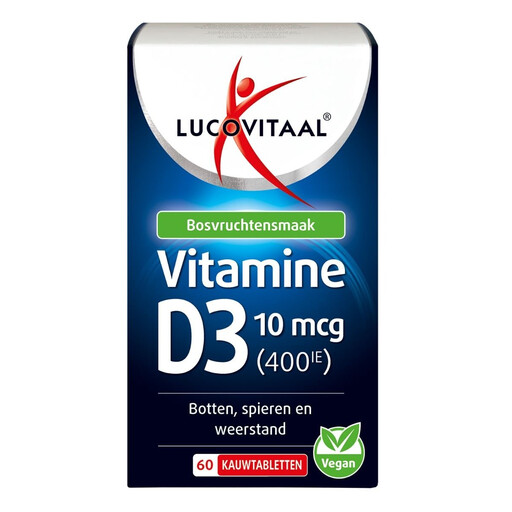
Why this fits the profile: The chewable tablet contains 10 mcg of vitamin D3 according to the product information and has a berry flavour. That's straightforward for anyone wanting to start with a simple daily dosage.
The dosage is stated per chewable tablet. The product label also states that it is not suitable for children under 10 years of age.
10 mcg per tablet, sugar-free according to the product information and a form that requires no water.
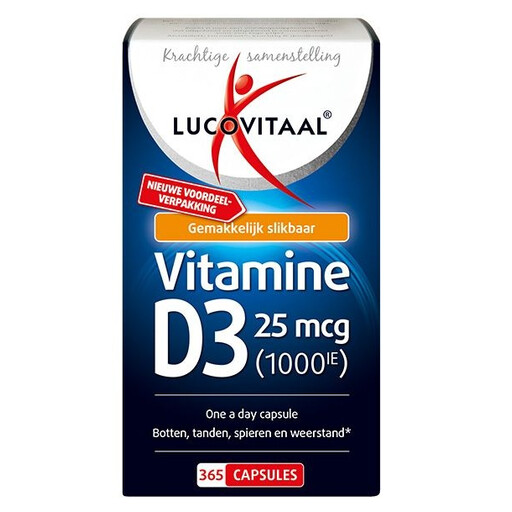
Why this fits the profile: The pack contains 365 capsules and the product information advises one small capsule per day, preferably with a meal.
The dosage is stated in both micrograms and IU: 25 mcg is 1000 IU. This makes it easier to compare with other products.
365 capsules, 25 mcg per capsule and a neutral, small capsule. According to the stated information, the product is not vegan and contains gelatine.
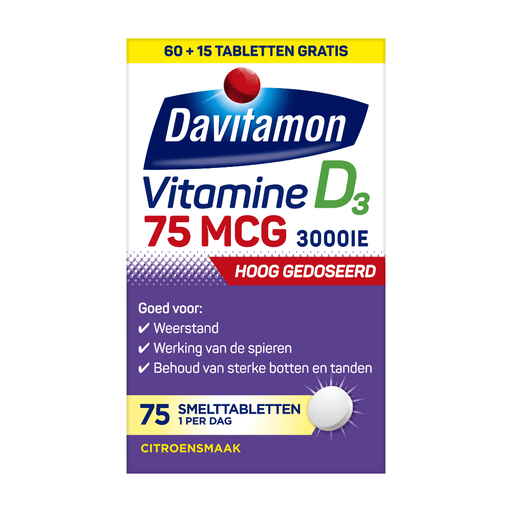
Why this fits the profile: The melt-in-the-mouth tablet contains 75 mcg of vitamin D3 according to the product label and dissolves without water. The label describes this product for adults as a temporary supplement.
The high dosage and the advice for temporary use are clearly stated. This helps prevent you from automatically choosing 75 mcg as a standard dosage.
75 mcg per tablet, 75 melt-in-the-mouth tablets and, according to the label, free from gluten, lactose and gelatine. Suitable for vegetarians.
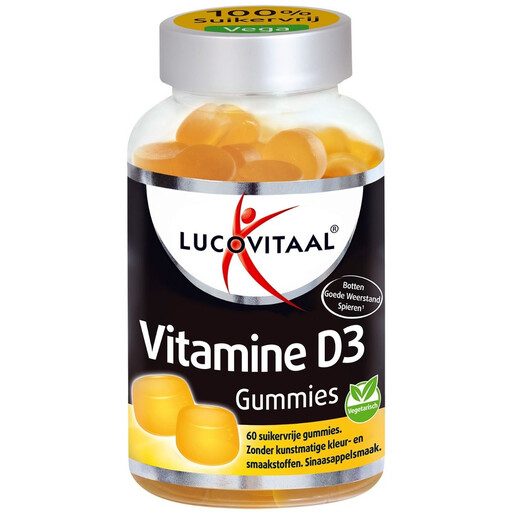
Why this fits the profile: The gummy contains 25 mcg of vitamin D3 according to the product label, has an orange flavour and is intended as one gummy per day.
The serving size is stated per gummy. Store the packaging below 25 °C and seal it tightly, as stated in the product information.
60 gummies, 25 mcg per gummy and, according to the label, no artificial colours or flavourings.
We've put together a full, up-to-date list of products that fully meet these strict selection criteria and comply with current European safety regulations.
Yes. 1000 IU is equivalent to 25 mcg of vitamin D3. Still, always check whether the statement refers to one capsule, tablet or the full daily dose.
Check the expiry date on the packaging and follow the storage advice. Many products need to be stored in a cool, dry, dark place out of the reach of young children. Gummies, for example, may need to be used within a certain period after opening. A change in smell, colour or texture is a reason not to use the product any longer.
Not without checking. Children have their own age and dosage recommendations. For babies and young children, use a product specifically intended for that age group, such as drops with a clear number of drops per day. Check for allergens, including peanut oil, and if in doubt, ask your health visitor, GP or pharmacist for advice.
