
Vandaag of morgen in huis

Kwaliteit gegarandeerd

Welkomstaanbiedingen ontgrendelen: GRATIS bezorging | Tot 80% korting | Gratis 30 dagen JoyPlus-proefperiode
Download de app
As a Joybuy Product Recommendation Officer, I see people looking for ways to support their health every day. A search for a Vitamin D3 75 mcg supplement is a perfect example of this. You're looking for a specific, high dosage, likely to give your immune system a boost, support your bones, or find a vitamin D deficiency supplement.
But the supplement market can be overwhelming. Before you proceed with buying vitamin D capsules, it's wise to be aware of a few common missteps:
This guide will help you navigate these pitfalls and make an informed choice that suits your needs.
To be confident in your purchase, it's helpful to check three key points. These aren't marketing claims, but objective specifications you can find on the packaging.
The most common source of confusion is the unit of measurement. The dosage of vitamin D is expressed in micrograms (mcg) or International Units (IU). The rule of thumb is simple:
1 mcg of vitamin D = 40 IU
Therefore, a supplement with Vitamin D3 75 mcg contains 3000 IU (75 x 40). If you're looking for a high-dose vitamin D3, these are the numbers to look for. Always check the specifications on the label to be sure of the strength per capsule.
Vitamin D comes in two main forms: D2 (ergocalciferol) and D3 (cholecalciferol). Vitamin D3 is the form our body produces itself when exposed to sunlight. It is generally considered the more effective form for raising and maintaining vitamin D levels in the blood. Nearly all high-quality supplements, such as those from Lucovitaal vitamin D, therefore use cholecalciferol.
Vitamin D is a fat-soluble vitamin. This means the body needs fat to absorb the vitamin properly. Many supplements are therefore offered in softgel capsules that already contain an oil base, such as sunflower oil. This ensures that the vitamin D is efficiently absorbed by the body, which is especially important for vitamin D for the immune system support.
Based on these objective criteria, we have selected a number of products that suit different user profiles.
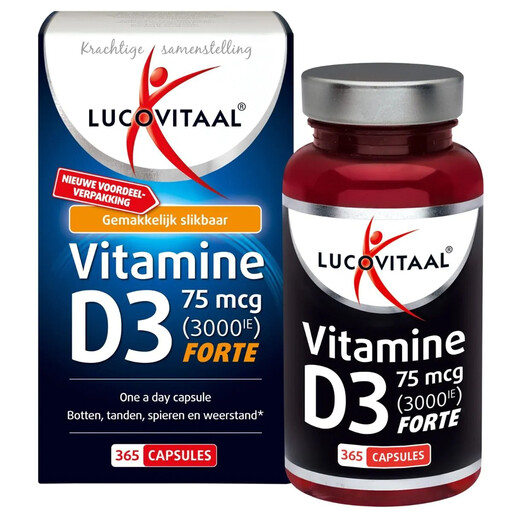
Why This Fits Their Persona: For those who want a year's supply of the correct dosage without any fuss. You won't have to think about it for a whole year and are assured of consistent intake, which is ideal for long-term support of bones and immunity.
This product offers a clear, high dose of 75 mcg of D3 in an oil-based capsule, without unnecessary additives that drive up the price. You get exactly what you're looking for.
One capsule per day for a full year; excellent value for money and easy-to-swallow softgels.
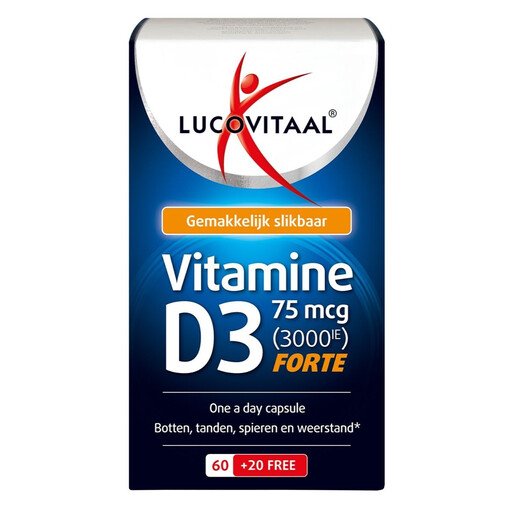
Why This Fits Their Persona: Ideal for those seeking a high dose for a specific period, such as the dark winter months. This package is perfect for supporting immunity when you need it most, without immediately committing to a full year's supply.
Delivers precisely the sought-after 75 mcg (3000 IU) of vitamin D3, the most effective form, in an easily absorbable softgel. No confusion, no unnecessary additives.
Targeted high dosage for supporting the immune system and bones. The package for approximately 2.5 months is ideal for seasonal use.
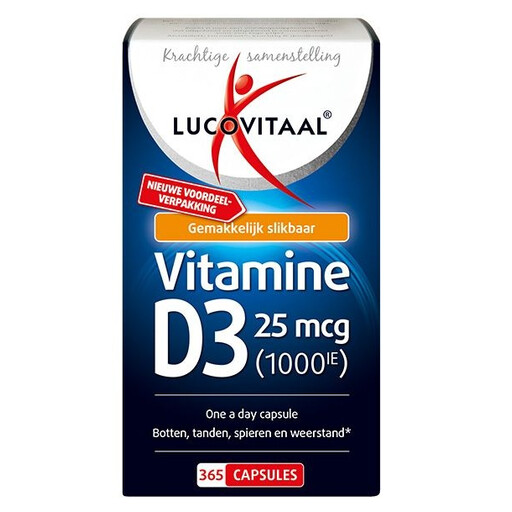
Why This Fits Their Persona: Perfect for those wanting to start with a vitamin D supplement or looking for a good maintenance dose. This dosage is higher than the basic recommendation and, with a year's supply, offers a very economical option.
A clear dosage of 25 mcg of D3 (1000 IU) in a yearly package. No confusion, just a solid base dosage for a competitive price.
Year's supply with an effective maintenance dose. Very economical to use and ideal as a starting point for an immune-boosting supplement.
A strong immune system is a combination of factors. Besides vitamin D, other supplements support the immune system. We have compiled a complete list of products that meet strict selection criteria.
Because vitamin D3 is a fat-soluble vitamin, it is recommended to take the capsule during or immediately after a meal. The fats in your meal help the body to better absorb the vitamin D.
For most adults, a daily intake of 75 mcg is considered a high but safe dosage. The European Food Safety Authority (EFSA) has set the tolerable upper intake level for adults at 100 mcg per day. A dosage of 75 mcg is primarily intended for people with an increased need, such as the elderly, people with little sun exposure, or those with a darker skin tone. When in doubt or if you are taking medication, always consult a doctor or pharmacist.
Vitamin D is an umbrella term for a group of fat-soluble vitamins. The two most important forms for humans are vitamin D2 (ergocalciferol) and vitamin D3 (cholecalciferol). Vitamin D3 is the form that the skin produces under the influence of sunlight and is generally considered more effective for raising and maintaining vitamin D status in the body. That is why most supplements contain vitamin D3.
