
Vandaag of morgen in huis

Kwaliteit gegarandeerd

Welkomstaanbiedingen ontgrendelen: GRATIS bezorging | Tot 80% korting | Gratis 30 dagen JoyPlus-proefperiode
Download de app
Buying a vitamin D supplement seems simple: choose a pack, check the price and add it to your basket. But vitamin D3 products can vary considerably in dosage, ease of use and suitability for different ages. A high dose isn’t automatically necessary, and an appealing claim such as “vegan” should always be checked against the ingredients list.
As Joybuy Product Recommendation Officer, I focus on the practical details that matter most. This makes it easier to find a vitamin D supplement that suits your needs and avoid buying something that ends up unused in the cupboard after a few weeks.
Vitamin D3 75 mcg may look appealing because of the high figure, but a higher dose isn’t automatically right for daily use. The range also includes vitamin D3 10 mcg and vitamin D3 20 mcg. The right choice depends on your age, exposure to sunlight, diet and, where relevant, advice from a doctor or pharmacist.
Also check the difference between micrograms (mcg or µg) and IU. For example, 20 mcg is usually equivalent to 800 IU, and 75 mcg to 3000 IU. So compare products by the amount in the recommended daily dose, not just the number of tablets in the pack.
The front of the pack often features terms such as “extra strong”, “melting tablet” or “vegan”. Always check:
For example, a product containing beef gelatine isn’t suitable for vegans, even if another part of the product page makes a conflicting vegan claim. The ingredients list on the pack is the one to rely on.
A capsule that you need to take with water won’t suit everyone. Some people find vitamin D melting tablets more convenient, while parents often choose vitamin D drops. Gummies can be an easy way to take a supplement every day, but check the sweeteners and keep the pack out of reach of children.
Many products available in the Netherlands contain 10, 20 or 75 mcg of vitamin D3 per recommended dose. Product labels often refer to recommendations from the Health Council of the Netherlands for groups including people with limited exposure to sunlight, people with darker skin, pregnant women, women aged 50 and over, and adults aged 70 and over.
Follow the recommended dose on the label and don’t combine several vitamin D supplements without checking first. If you take a multivitamin, a calcium product and a vitamin D supplement, add up the total amount you’re taking.
Where the label advises it, take fat-soluble vitamin D products with or after a meal.
Vitamin D for children comes with different directions for use from vitamin D for adults. So always check the minimum age. Also look for allergens such as milk, peanut oil or gelatine. For vegan vitamin D, you’ll need a product with plant-based cholecalciferol and no animal-derived ingredients.
The stated benefits for bones, muscles and the immune system are based on authorised nutrition claims and product information. A brand’s own research may support additional claims, but these don’t replace independent medical advice.
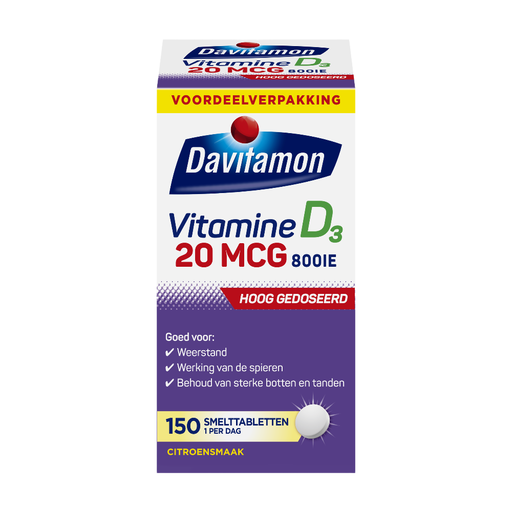
Why it suits this profile: One melting tablet a day, with no water needed. The 20 mcg dose is clearly stated on the label.
The amount per tablet and the maximum daily dose are easy to see, so you don’t have to rely on a high-powered marketing claim.
20 mcg of vitamin D3 per tablet, 150 tablets and a format that dissolves without water.
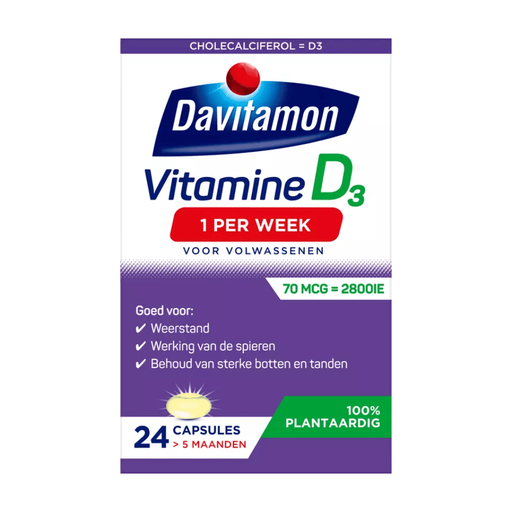
Why it suits this profile: Suitable for adults looking for a plant-based formula who prefer to take a supplement at the same time each week.
The product description specifies plant-based vitamin D3 and a set weekly dose, so there’s no need to work out a daily amount.
70 mcg per capsule, 24 capsules and, according to the product information, vegan, lactose-free and gluten-free.
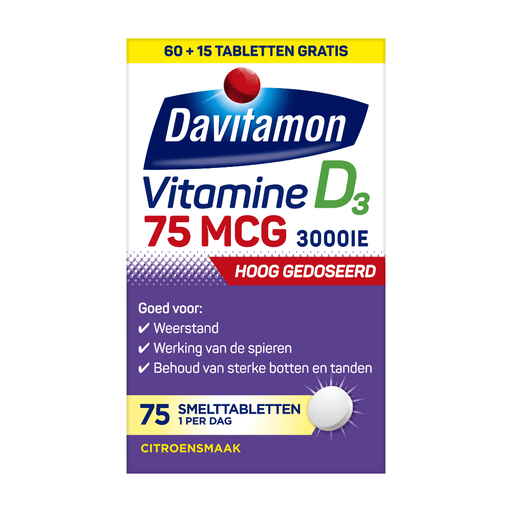
Why it suits this profile: A high dose per melting tablet for adults who want to use this product temporarily, in line with the product information.
The 75 mcg dose is clearly stated per tablet. The label also specifies that it is for temporary use, helping to make clear that a high dose shouldn’t automatically be the default choice.
75 mcg per melting tablet, no water needed and, according to the product information, free from gluten, lactose and gelatine.
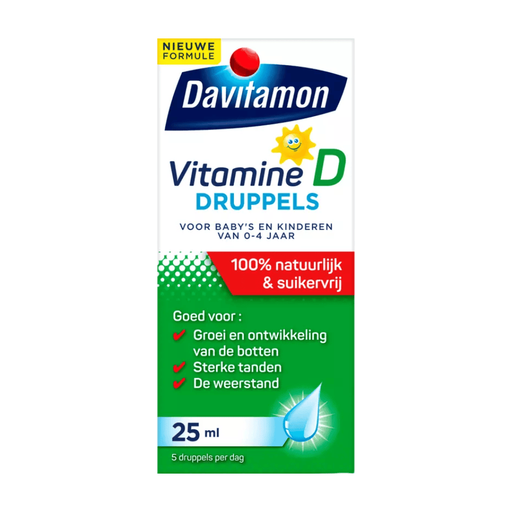
Why it suits this profile: Drops are a practical option for babies and children up to 4 years old, when a tablet may not yet be suitable.
The recommended amount is based on 5 drops a day. Always check that no other vitamin D supplement is being used as well.
10 mcg of vitamin D3 per daily dose, oil-based and, according to the product information, made with just two ingredients.
We’ve put together a complete, up-to-date list of products that meet these strict selection criteria and the applicable European safety regulations.
That depends on your individual circumstances and the advice on the label. The range includes vitamin D3 10 mcg, vitamin D3 20 mcg and vitamin D3 75 mcg. Follow the recommended dose, and if you take medication or have a medical condition, ask a doctor or pharmacist for advice.
Gummies can be handy for adults who find capsules difficult to take. Check the age recommendation, the amount of vitamin D3 per gummy and the sweeteners used. Always keep gummies out of reach of children, as their taste may make them seem like sweets.
Check the date on the pack and follow the manufacturer’s storage advice. Many vitamin D products should be stored in a cool, dry, dark place at room temperature. Once opened, use drops within the period stated on the label and make sure the pack is properly closed.
