
Vandaag of morgen in huis

Kwaliteit gegarandeerd

Welkomstaanbiedingen ontgrendelen: GRATIS bezorging | Tot 80% korting | Gratis 30 dagen JoyPlus-proefperiode
Download de app
Anyone looking for vitamin C will soon come across 1000 mg tablets, vegan capsules, effervescent tablets and serums for a more even-looking complexion. There is plenty of choice, but the differences are not limited to the brand or packaging. The dosage, form, acidity and additional ingredients are particularly important when deciding whether a product suits your needs.
As a Joybuy Product Recommendation Officer, I filter the most important product information down to practical points. This helps you see more quickly which type of vitamin C supplement or vitamin C skincare is right for your situation.
Vitamin C 1000 mg stands out immediately on packaging. This is a high amount compared with the reference intake. However, more is not automatically necessary for every adult. Check the recommended daily dosage and do not use several vitamin C products at the same time without taking the total amount into account.
Some products contain 500 mg per tablet, while others contain 1000 or even 1500 mg. A high dosage may also be less comfortable for people with a sensitive stomach or digestive system.
A product label may promise vegan vitamin C, but you should also check the capsule shell, sweeteners and excipients. Hydroxypropyl methylcellulose, for example, is often used for plant-based capsules. With chewable and effervescent tablets, sweeteners, flavourings and allergens also need to be considered.
For a sensitive stomach, buffered vitamin C may be worth looking at. This form combines vitamin C with calcium ascorbate or magnesium ascorbate, for example. According to Lucovitaal’s product description, this makes the formula less acidic; this is a product characteristic and does not guarantee that everyone will tolerate it well.
A vitamin C serum can be part of a skincare routine for a more radiant-looking complexion. However, claims such as “vitamin C for pigmentation” or “more even skin tone” depend on the formula, your skin and how long you use it. AHAs and some concentrated vitamin C formulas can make the skin more sensitive to sunlight.
For daytime use, therefore, apply a sun protection product with suitable UV protection. Stop using a serum if you experience persistent redness, itching or a burning sensation, and always check the ingredients list.
Also pay attention to the amount per serving. A 1000 mg tablet with one recommended daily intake is easy to plan, while a 70 mg product may require several tablets a day.
Do not look only for “vitamin C”, but also check the form in which it appears, such as ascorbic acid, calcium ascorbate, magnesium ascorbate or a vitamin C derivative. For supplements, the amount and reference intake are shown on the label. In skincare, the percentage or position in the ingredients list provides useful context, but it does not tell you everything about stability or skin tolerance.
According to the product description, a slow-release formula may be released gradually. This is a specific product claim made by the brand and is not a general guarantee of better absorption.
A vitamin C cream, serum or pad may also contain niacinamide, panthenol, hyaluronic acid, AHA or fragrances. This makes it important to match the product to your skin type:
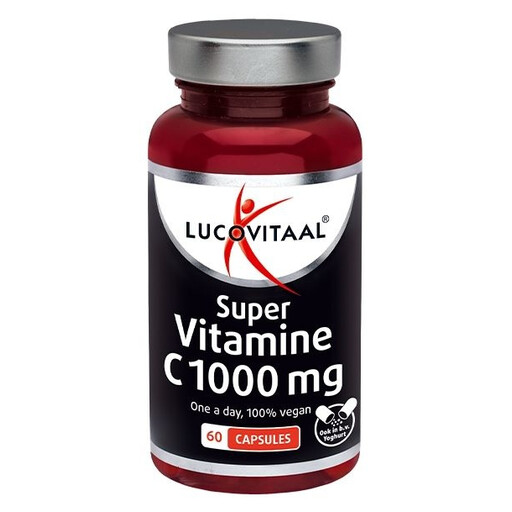
Why it suits this profile: A simple capsule format with one capsule a day and 60 servings. According to the product information, the capsule is vegan and can be opened and mixed with yoghurt or juice.
The dosage and ingredients are clearly listed, so you do not have to guess how much vitamin C you are taking.
1000 mg per capsule, vegan capsule shell and 60 capsules per pack.
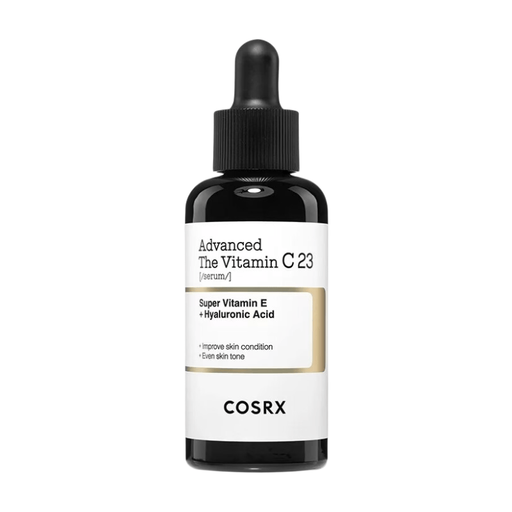
Why it suits this profile: According to the ingredients list, this facial serum contains 23% ascorbic acid and is aimed at users looking for a concentrated vitamin C skincare formula.
The high concentration is clearly stated. The product information recommends a patch test, refrigeration and use within two months of opening.
23% ascorbic acid, 20 ml contents and clear storage instructions.
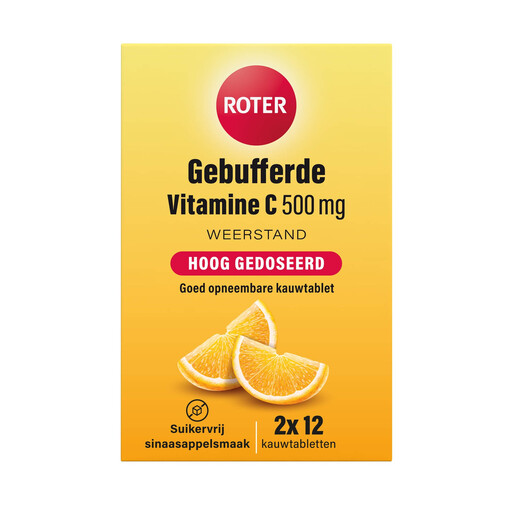
Why it suits this profile: This chewable tablet is suitable for users who do not want to swallow capsules and are looking for a less acidic form. According to the product description, each tablet contains 500 mg of vitamin C.
The buffered composition makes the form and dosage clear. The recommended intake is one chewable tablet a day, preferably during or after a meal.
500 mg per chewable tablet, vegan according to the product information and free from sugar, gluten and lactose according to the stated composition.
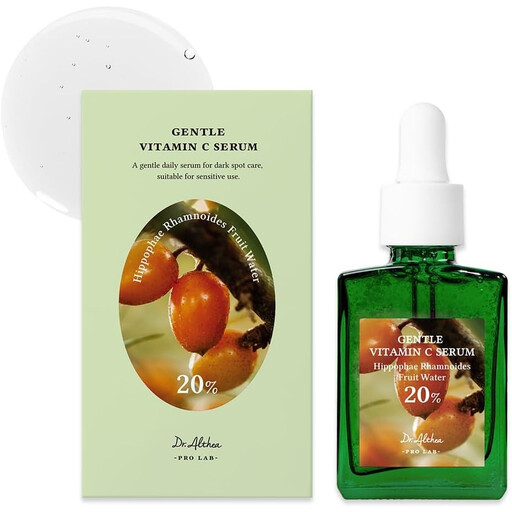
Why it suits this profile: The product description states that it has a vegan formula without fragrances or colourants, with niacinamide, allantoin and sea buckthorn extract.
The formula is designed to have a light, non-sticky texture and contains no listed fragrances or colourants. Nevertheless, check the label yourself before buying.
30 ml contents, a vegan formula according to the product information and a water-based serum texture.
We have put together a complete, up-to-date list of products that fully meet these strict selection criteria and the applicable European safety regulations.
That depends on your total intake, age, health and the advice on the label. A dosage of 1000 mg is high compared with the reference intake. Do not combine several supplements without careful consideration and consult a doctor or pharmacist if you take medication, are pregnant or have a medical condition.
Follow the expiry date and the period-after-opening guidance on the packaging. Concentrated serums can be particularly sensitive to light, heat and air. Store the product according to the stated instructions; the product information recommends refrigeration and use within two months of opening.
Yes, but check that you are not doubling up on your dosage or overloading your skin. A vitamin C supplement is taken orally, while a vitamin C facial serum is used externally. Introduce skincare gradually, combine AHA or retinol with care and use sun protection during the day.
