
Vandaag of morgen in huis

Kwaliteit gegarandeerd

Welkomstaanbiedingen ontgrendelen: GRATIS bezorging | Tot 80% korting | Gratis 30 dagen JoyPlus-proefperiode
Download de app
A vitamin C supplement may seem straightforward to choose, but products can vary considerably. You’ll find 1000 mg vitamin C capsules, effervescent tablets and chewable tablets, as well as lower doses combined with zinc, echinacea or vitamin D. The highest dose isn’t automatically the right choice for you.
Look out for these three common pitfalls:
Always check how much vitamin C you’ll get from the recommended daily dose. A product containing 1000 mg of vitamin C provides a high amount per capsule, tablet or effervescent tablet. Other products, for example, provide 250, 500 or 600 mg.
Also check the difference between the amount per tablet and the recommended daily amount. Roter Vitamin C 70 mg, for instance, lists 70 mg per tablet, but the product guidance for adults recommends a maximum of four tablets a day. This means your total daily intake may differ from what you expect based on the front of the pack.
Don’t take several vitamin C products at the same time without checking the total amount. According to the product information from the various brands, a supplement is not a substitute for a varied diet and you should not exceed the recommended dose.
The form mainly affects how convenient the supplement is to take:
A sugar-free vitamin C product isn’t always free from sweeteners. Roter 1000 mg effervescent tablets, for example, are labelled as sugar-free, but the label lists cyclamates, sorbitols and saccharins among the ingredients.
If you’re choosing carefully, look beyond ascorbic acid alone. Consider these options:
Claims about immune function, energy or protection against oxidative stress are permitted nutrition claims when they meet the requirements for nutrition and health claims. This article presents these claims as they appear in the brand’s product information or on the label; they are not medical advice.
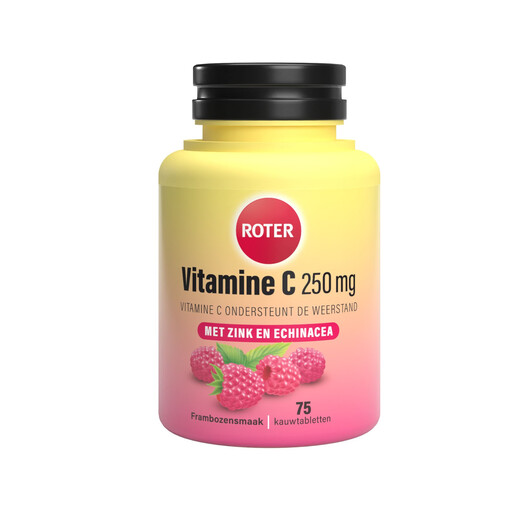
Why it suits this profile: A lower dose per chewable tablet makes it easier to keep track of your intake. The raspberry flavour and the fact that you can take it without water make it convenient for everyday use on the go.
The amounts of vitamin C and zinc are listed per tablet. This means you don’t have to rely solely on claims such as ‘complete’ or ‘for immune support’.
250 mg of vitamin C, 3.4 mg of zinc and 12.5 mg of echinacea per tablet according to the label; lactose-free and gluten-free according to the product information.
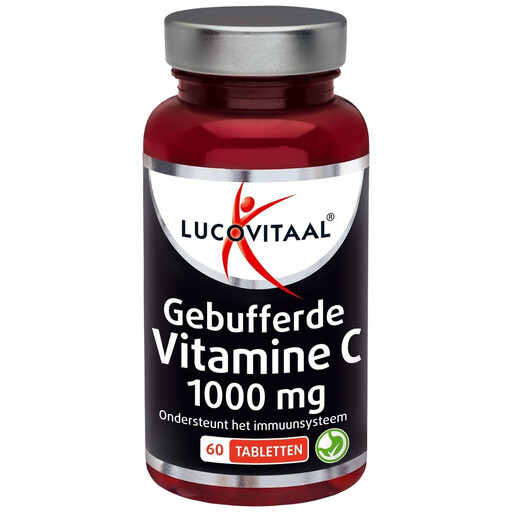
Why it suits this profile: Suitable for adults and young people aged 12 and over who want a high dose in a buffered form.
The product information specifically names calcium ascorbate and magnesium ascorbate. So you can see which form of vitamin C you’re buying, rather than relying on a marketing name alone.
1000 mg of vitamin C per tablet, vegan according to the product information and free from the 14 major EU allergens according to the stated ingredients.
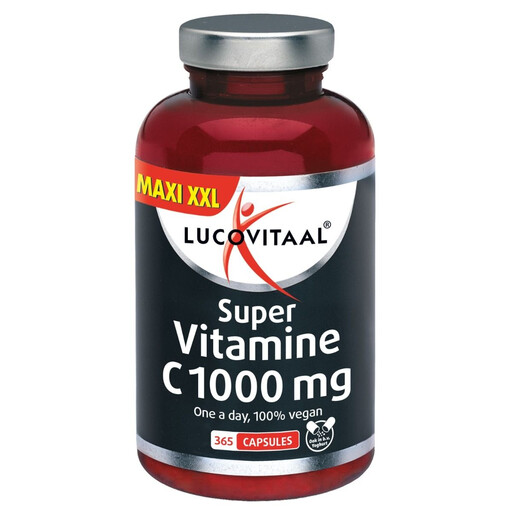
Why it suits this profile: The pack contains 365 capsules, making it a good choice if you want to take a daily dose over the long term and keep a supply at home.
The capsule contents, dose and recommended intake of one capsule a day are clearly stated. This makes it easier to compare the price per daily serving.
1000 mg of vitamin C per capsule, 365 capsules and vegan according to the product information. The brand also says the capsule can be opened.
We’ve put together a complete, up-to-date list of products that meet these strict selection criteria and the applicable European safety requirements.
That depends on your personal circumstances, diet and the product you choose. 1000 mg is a high dose compared with the reference intake. Always follow the label, avoid taking several vitamin C products unnecessarily and speak to a doctor or pharmacist if you take medication, are pregnant or have a medical condition.
Buffered vitamin C uses calcium ascorbate or magnesium ascorbate, for example, rather than ascorbic acid alone. According to the product descriptions from Lucovitaal and Swanson, this form is less acidic. Check the ingredients list if you’re looking for a formula that’s gentle on the stomach; ‘buffered’ doesn’t automatically tell you anything about the taste or dose.
Check the best-before date on the packaging and store the product according to the label. Effervescent tablets generally need to be kept tightly closed and dry, as moisture can damage them. Keep supplements out of the reach of young children and don’t use a pack if the seal is damaged.
