
Vandaag of morgen in huis

Kwaliteit gegarandeerd

Welkomstaanbiedingen ontgrendelen: GRATIS bezorging | Tot 80% korting | Gratis 30 dagen JoyPlus-proefperiode
Download de app
A vitamin C supplement may seem simple to choose. But vitamin C tablets can vary considerably in dosage, ingredients, ease of use and cost per day. A pack labelled “high dose” or “for immunity” doesn’t tell you enough on its own. Always check how much vitamin C you’ll actually be taking, which sweeteners have been added and whether the product is suitable for your age and daily diet.
Adults and young people aged 12 and over can choose from several options: standard chewable tablets, vitamin C effervescent tablets, melt-in-the-mouth tablets and multivitamins. Read on to find out what to look for and which product form may suit different users.
According to product information, vitamin C 1000 mg often contains 1,250% of the reference intake. That’s considerably more than a standard dose. A higher amount may suit your personal preference, but it isn’t necessary for everyone. Check the recommended daily dose and don’t combine several products containing vitamin C without a good reason.
High doses may also cause stomach or digestive problems if you’re sensitive to them. Always follow the label and don’t take more than the recommended amount.
Sugar-free vitamin C often contains sweeteners such as sorbitol, sucralose, cyclamate or saccharin. These can make the flavour more pleasant, but they’ll still be listed in the ingredients. Some products also contain a source of phenylalanine, which is stated on the label of certain effervescent tablets, for example.
If you want to avoid sugar, sweeteners or specific allergens, don’t just look at the front of the pack. Check the full ingredients list.
As well as vitamin C, a multivitamin contains other vitamins and minerals. This can be useful if you want to top up several nutrients, but it makes it harder to assess your total intake. For example, look out for duplicate amounts of vitamin D, iron or zinc if you’re already taking other supplements.
A standalone vitamin C product is easier to keep track of if you only want to top up your vitamin C.
The label usually lists the amount of vitamin C in milligrams and as a percentage of the reference intake. For comparison:
The recommended amount varies by product and target group. For example, ROTER states that adults can take a maximum of four 70 mg chewable tablets per day, while the ROTER 1000 mg chewable tablet is intended to be taken once a day by adults and young people aged 12 and over.
The right form mainly depends on your daily routine:
Check that the tube is properly sealed when using effervescent tablets. Moisture can damage them. Also check for sweeteners and any source of phenylalanine.
A product may contain extra zinc, vitamin D, iron or plant extracts. This may suit a specific need, but it’s not a reason to automatically combine several supplements.
With buffered vitamin C, vitamin C is combined with calcium ascorbate or magnesium ascorbate, for example. According to Lucovitaal’s product description, this form is less acidic than ascorbic acid. It may appeal to people who prefer a less acidic tablet. Product information can’t guarantee an individual experience.
Also check whether a product is vegan, lactose-free, gluten-free or sugar-free. These features vary between products, even within the same brand.
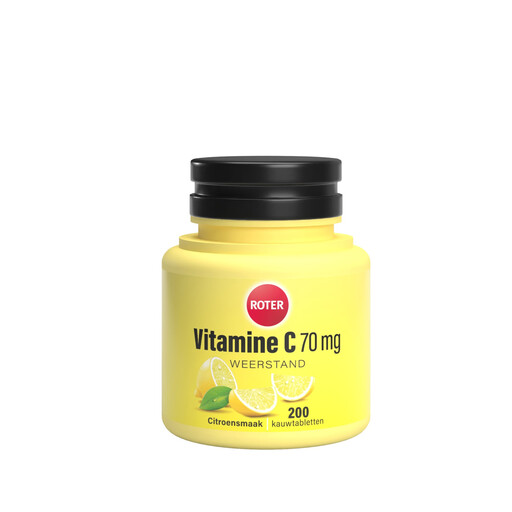
Why it suits this profile: These chewable tablets provide a lower amount per tablet and have a lemon flavour. According to the product information, adults can take up to four tablets a day, within the stated dosage.
The amount per tablet is clearly stated, so you don’t have to opt straight away for a high dose. The pack contains 200 tablets.
Chewable form, with no water needed; lactose-free and gluten-free according to the label.
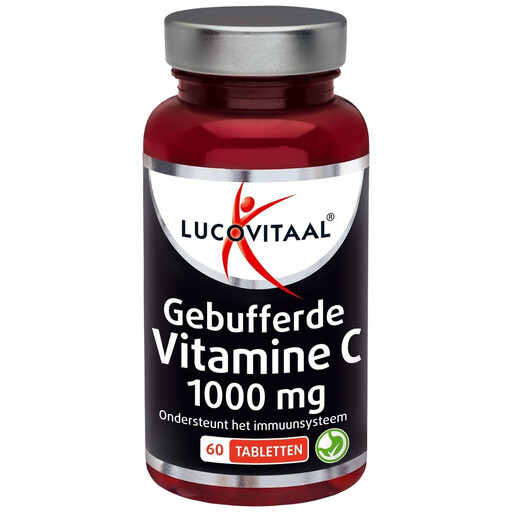
Why it suits this profile: This product is intended for adults and young people aged 12 and over who are looking for a high-dose tablet in a less acidic form of vitamin C.
The form of vitamin C is specified as calcium ascorbate and magnesium ascorbate. This means you can check the ingredients rather than relying on a marketing term alone.
1000 mg per tablet; vegan and free from the 14 major EU allergens, according to the product information.
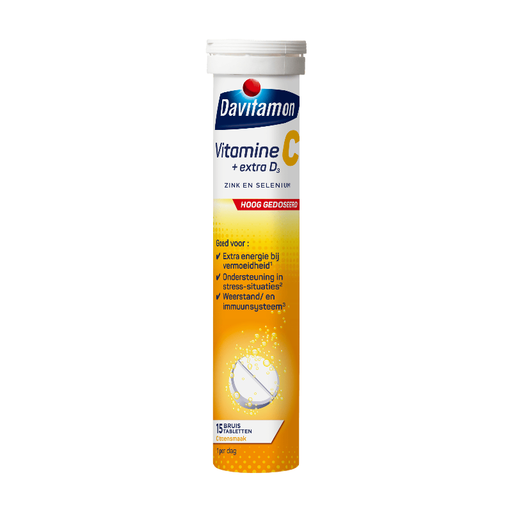
Why it suits this profile: According to the label, each effervescent tablet combines 600 mg of vitamin C with vitamin D3, selenium and zinc. This may suit anyone who wants to combine several nutrients in one daily product.
The amounts of vitamin C, D3, selenium and zinc are listed separately. This makes it easier to check for duplicate intake from other supplements.
Dissolves in water; sugar-free and preservative-free according to the product information.
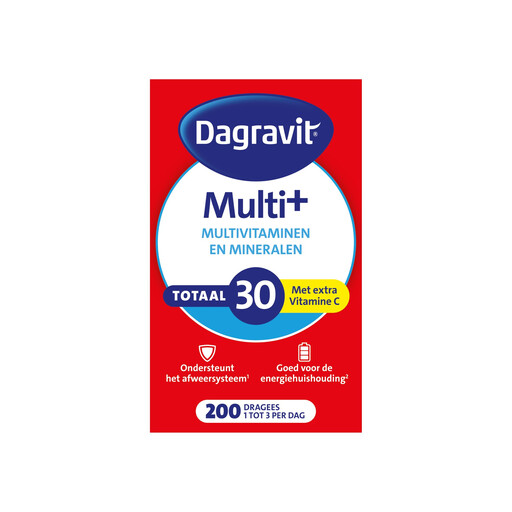
Why it suits this profile: This multivitamin contains vitamin C, D3, B vitamins, minerals and plant extracts. The dosage varies depending on age and the number of coated tablets taken.
The ingredients list gives the amount and reference intake for each nutrient. This makes it easier to compare with standalone supplements.
Up to 200 tablets; lactose-free and free from preservatives, flavourings and colourings according to the product information.
We’ve put together a complete, up-to-date list of products that meet these strict selection criteria and current European safety regulations.
That depends on your personal circumstances, diet and chosen product. 1000 mg is a high dose. Follow the recommended amount on the label and don’t combine several products containing vitamin C without checking first. If you take medication, are pregnant, have a medical condition or have persistent symptoms, it’s sensible to speak to a doctor or pharmacist.
Not necessarily. Effervescent tablets are especially practical if you find tablets difficult to swallow or prefer to have a drink. Chewable tablets are more convenient when you don’t have water to hand. With either form, compare the dosage, sweeteners, flavour and ingredients.
Check the best-before date on the pack and follow the storage instructions. Effervescent tablets usually need to be stored in a cool, dry place with the tube tightly closed. Keep all supplements out of the reach of young children. A supplement is no substitute for a varied diet and healthy lifestyle.
