
Vandaag of morgen in huis

Kwaliteit gegarandeerd

Welkomstaanbiedingen ontgrendelen: GRATIS bezorging | Tot 80% korting | Gratis 30 dagen JoyPlus-proefperiode
Download de app
A vitamin C supplement seems easy to choose until you start comparing the labels. One pack lists 70 mg per tablet, another 1000 or even 1500 mg. There are also capsules, chewable tablets, effervescent tablets and buffered formulas. A high dose isn’t automatically the best choice for everyday use.
Look out for these three common pitfalls:
The European reference intake for vitamin C for adults is 80 mg per day. Labels often show this as a percentage of the RI. For example, a vitamin C 1000 mg product provides 1250% of the reference intake. That doesn’t mean everyone needs this amount.
Choose a dose based on your diet, age and the instructions on the label. Different usage advice may apply to young people aged 12 and over than to adults. For example, a 1000 mg product may only be suitable from age 12 or 18. Always follow the recommended daily dose and don’t combine several vitamin C supplements without checking first.
Vitamin C tablets are convenient to take with you. Chewable tablets usually don’t need water. Do check for sugar, sweeteners and flavourings. A vitamin C capsule is often a good choice if you prefer to take a neutral-tasting supplement with water. Some capsules can be opened and mixed with yoghurt or juice, according to the product description.
Vitamin C effervescent tablets are handy if you find swallowing difficult. Check the preparation instructions, such as dissolving the tablet in 200 ml of water, and look at the sweeteners, sodium compounds and allergens. Flavours vary between products, with options such as orange, lemon or apple and blackcurrant.
If you’re mindful of what you eat, you may want to look for vegan vitamin C. Products with an HPMC capsule or an explicit vegan label may be suitable. Also check the form of vitamin C. Buffered vitamin C, for example, contains calcium ascorbate and magnesium ascorbate. Lucovitaal’s product description says this form is less acidic than ascorbic acid. This may be relevant if you’re looking for a less acidic option, but it doesn’t guarantee that everyone will find it the same.
Some products combine vitamin C with zinc or plant extracts. For vitamin C with zinc, check the amount of each ingredient separately. If you’re taking a multivitamin, also check how much vitamin C you’re already getting from other supplements.
The following selection is based on verifiable product information, such as dosage, format, ingredients and recommended use. Any claims about support are presented as information from the manufacturer and aren’t medical advice.
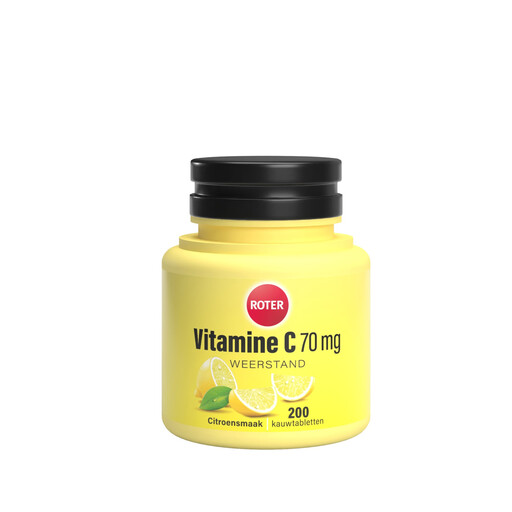
Why it suits this profile: These chewable tablets provide a straightforward dose and can be taken without water. The pack contains 200 lemon-flavoured tablets.
At 70 mg per tablet, the dose helps you avoid starting with a high amount before comparing it with your daily needs.
200 chewable tablets, lemon flavour and, according to the product description, free from lactose and gluten.
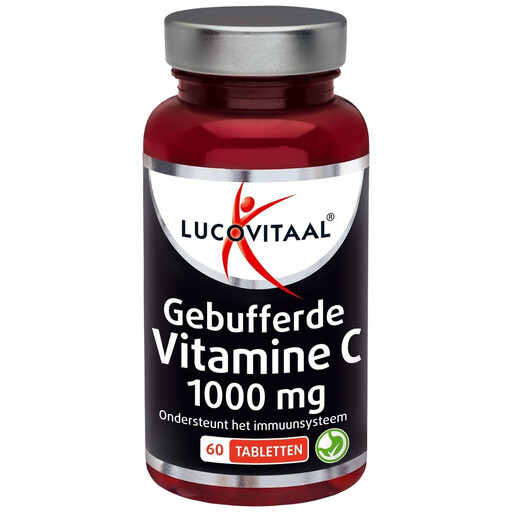
Why it suits this profile: This vegan tablet contains 1000 mg of vitamin C, using calcium ascorbate and magnesium ascorbate in a buffered formula.
The ingredients make clear which forms of vitamin C are used, rather than relying on a general claim about a gentle formula.
1000 mg per tablet, vegan and, according to the product information, suitable for adults and children aged 12 and over.
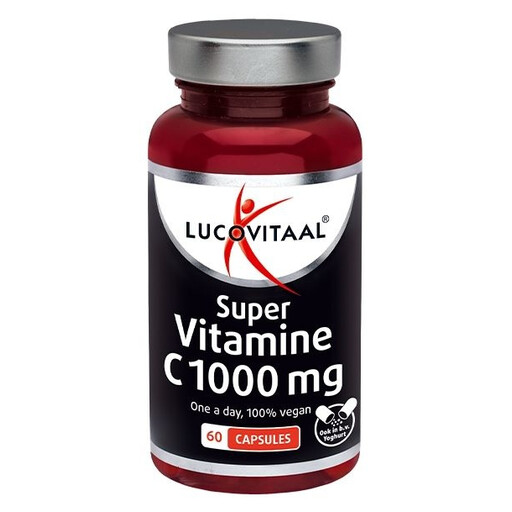
Why it suits this profile: One capsule a day suits anyone looking for a simple routine without needing a flavoured or effervescent supplement.
There’s no need to dissolve or chew a large tablet; according to the product description, you can also open the capsule and mix its contents.
60 vegan capsules with 1000 mg of vitamin C per capsule; according to the product information, free from the 14 major EU allergens.
We’ve put together a complete, up-to-date list of products that meet these strict selection criteria and current European safety requirements.
Not necessarily. 1000 mg is a high dose compared with the European reference intake of 80 mg for adults. Whether this amount is right for you depends on your diet, the product label and your personal circumstances. Don’t exceed the recommended daily dose.
They can be convenient because you dissolve the tablet in water. Do check the ingredients, sweeteners and any source of phenylalanine. According to the label, some products are only suitable for adults. Always follow the age and usage instructions for each product.
The expiry date is shown on the pack. Store capsules and tablets in a dry, sealed container; effervescent tablets usually need extra protection from moisture. Don’t use a product if the packaging is damaged or the safety seal is missing.
