
Vandaag of morgen in huis

Kwaliteit gegarandeerd

Welkomstaanbiedingen ontgrendelen: GRATIS bezorging | Tot 80% korting | Gratis 30 dagen JoyPlus-proefperiode
Download de app
A vitamin C supplement may seem straightforward to choose, but the range varies considerably. There are 70 mg vitamin C tablets, 1000 mg vitamin C, capsules, effervescent tablets, gummies and chewable tablets. Terms such as “time release”, “highly absorbable” and “buffered” can also create the impression that a product is automatically a better fit for everyone.
As a Joybuy Product Recommendation Officer, I filter the most important information using verifiable product data. This helps you see which features are relevant and which marketing claims are best taken with a pinch of salt.
A label stating 1000 mg or even 1500 mg vitamin C may look impressive. However, the amount alone does not tell you whether a supplement is suitable for your daily routine. Always check the recommended dosage, the intended users and the amount of vitamin C per tablet or capsule.
A product containing 1000 mg per tablet usually requires just one dose a day. A lower dosage, such as 70 mg per tablet, may be more convenient if you want to tailor your intake to your diet or prefer taking several smaller tablets.
Sugar-free vitamin C often contains sweeteners such as sorbitol, xylitol, maltitol or sucralose. This is relevant if you want to avoid sugar, but some sweeteners may be less easy on the stomach in larger quantities. That is why you should read the full ingredients list rather than just the front of the packaging.
Vitamin C gummies can also be sugar-free and vegan, but they often contain a lower dosage per gummy. An 80 mg vitamin C gummy is not directly comparable with a 1000 mg tablet.
Buffered vitamin C uses, for example, calcium ascorbate or magnesium ascorbate instead of ascorbic acid alone. According to the product description, this form is less acidic. That may be of interest if you are looking for a less acidic option, but individual experiences vary.
Also pay attention to combinations containing calcium and magnesium, the recommended age and any warnings. If you take medication, are pregnant or breastfeeding, or have a medical condition, it is sensible to consult a healthcare professional.
Look at three pieces of information:
The product information may state, for example, that 1000 mg of vitamin C is 1250% of the reference intake. This is a label detail, not a reason to automatically choose the highest dosage. Follow the instructions on the packaging and do not exceed the recommended daily dose.
The best form depends on how you intend to use it:
If you follow a vegan diet, it is worth specifically searching for vegan vitamin C. The capsule shell or coating can be a deciding factor. Several products in the range are listed as vegan, including capsules, tablets and gummies.
For people avoiding sugar, sugar-free vitamin C is a practical search term, but always check the ingredients. If you are looking for a less acidic option, look for buffered vitamin C. If you are interested in plant extracts, there are also options such as vitamin C with rosehip. The presence of rosehip does not automatically mean that a product offers extra benefits for everyone; above all, compare the amount of vitamin C and the other ingredients.
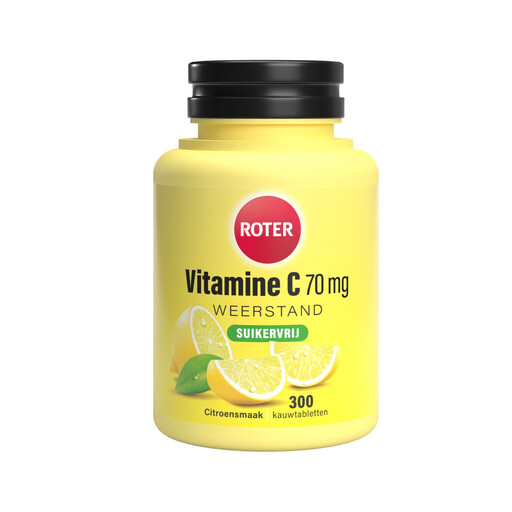
Why it suits this profile: The pack contains 300 sugar-free lemon-flavoured chewable tablets. According to the product information, the recommended adult dosage of four tablets provides 280 mg of vitamin C.
The dosage per tablet is clearly stated, so you will not confuse a lower amount per tablet with 1000 mg vitamin C.
Sugar-free, chewable and 300 tablets per pack.
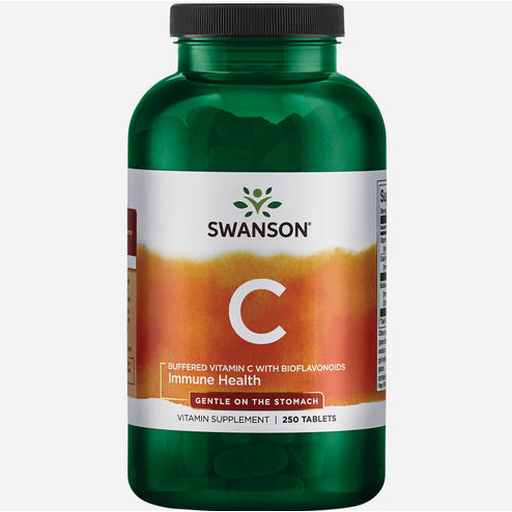
Why it suits this profile: According to the product specification, one tablet contains 1000 mg of vitamin C as calcium ascorbate, plus 110 mg of calcium and 200 mg of citrus bioflavonoids.
The calcium ascorbate form and dosage are clearly stated, so you do not have to rely solely on the term “high strength”.
Buffered form, 1000 mg per tablet and 250 daily servings.
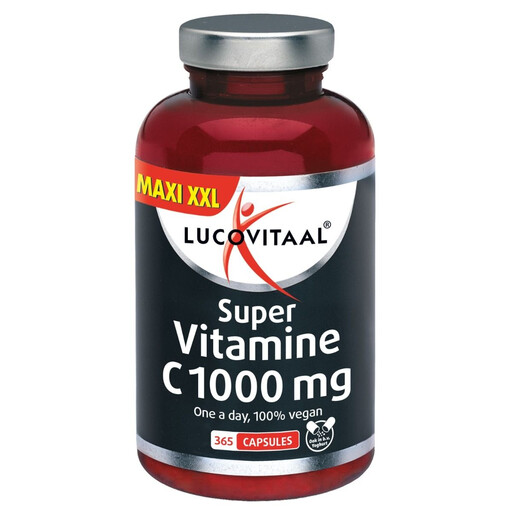
Why it suits this profile: These vegan capsules are intended for adults and, according to the product information, contain 1000 mg of vitamin C per capsule. The capsule can be opened and mixed with yoghurt or juice.
The pack contains 365 capsules, making the supply and number of doses clear from the outset.
Vegan capsule, 1000 mg per capsule and a supply of up to 365 daily doses.
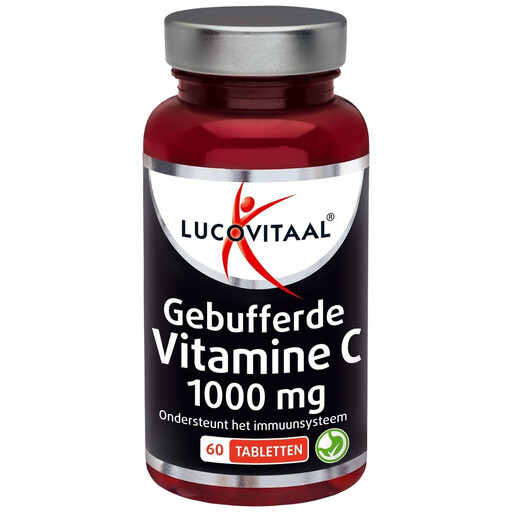
Why it suits this profile: The tablet contains calcium ascorbate and magnesium ascorbate. According to the product description, this form is less acidic than standard ascorbic acid variants.
The product form is specified in the ingredients list, rather than being presented merely as a general stomach-friendly marketing term.
1000 mg per tablet, vegan according to the product information and suitable from the age of 12.
We have put together a complete, up-to-date list of products that fully meet these strict selection criteria and the applicable European safety regulations.
This depends on your personal circumstances and the instructions on the label. A 1000 mg supplement contains a high amount per tablet. Follow the recommended daily dosage and do not simply combine several vitamin C products.
Some are, while others are not. Check the ingredients list for sugar, sorbitol, cyclamate, saccharin and other sweeteners. With effervescent tablets, also look out for warnings, such as the presence of a source of phenylalanine.
Check the best-before date on the packaging and store the product according to the label. Effervescent tablets should generally be kept tightly sealed and dry. Capsules and tablets are usually stored at room temperature, out of the reach of young children. Once opened, the packaging may attract moisture more quickly, especially in the case of effervescent tablets and gummies.
