
Vandaag of morgen in huis

Kwaliteit gegarandeerd

Welkomstaanbiedingen ontgrendelen: GRATIS bezorging | Tot 80% korting | Gratis 30 dagen JoyPlus-proefperiode
Download de app
A vitamin C supplement may seem straightforward to choose. However, vitamin C tablets, capsules, effervescent tablets, chewable tablets and gummies can vary considerably in dosage, additives and ease of use. Eye-catching packaging or the term “high dose” does not automatically mean that a product suits your daily routine.
The key question is therefore not just how much vitamin C a supplement contains, but also how you take it, which additional ingredients it contains and how much you actually need each day.
Vitamin C 1000 mg or vitamin C 1500 mg may sound appealing, but a higher amount is not necessary for everyone. Always check the recommended daily dosage and include vitamin C from other supplements in your calculations. With some products, one tablet or capsule is already the full daily dosage; with others, you need several vitamin C chewable tablets.
A capsule is compact and usually easy to take with you. An effervescent tablet dissolves in water, while a gummy or chewable tablet may be convenient if you would rather not swallow a tablet. However, these forms can differ in flavourings, sweeteners and storage instructions.
For example, look out for terms such as sugar-free vitamin C. Sugar-free does not always mean free from sweeteners. Products may contain sorbitol, maltitol, sucralose or other sweeteners, for example.
According to brand product information, vitamin C contributes to the normal functioning of the immune system, the protection of cells from oxidative stress, energy metabolism and the absorption of iron, among other things. These are permitted nutrition claims subject to certain conditions; they do not guarantee that a supplement prevents or treats illness.
Therefore, check the ingredients list and nutrition table rather than relying solely on terms such as “for immunity” or “antioxidant”.
The reference intake for vitamin C for adults is 80 mg per day. Products in the range vary from 70 mg per tablet to 1500 mg per daily dose. Do not just look at the number on the front. Check:
For example, a product with 365 capsules may work out cheaper per day of use than a smaller pack, but only if the dosage and ingredients suit you.
The most common form is ascorbic acid. If you want to avoid a sour taste or sensitivity to acidic supplements, you could consider buffered vitamin C. This form combines vitamin C with calcium ascorbate or magnesium ascorbate, for example.
According to Lucovitaal product information, the buffered form is less acidic. This may be more comfortable for some users, but “stomach-friendly” is not a personal guarantee. Stop taking the product if you experience any problems and ask a doctor or pharmacist for advice if in doubt.
Check whether you are looking for a single-ingredient vitamin C supplement or a combination such as vitamin C with zinc and vitamin D. A combination can be practical, but it also increases the chance of getting the same nutrients from several products.
Also look out for:
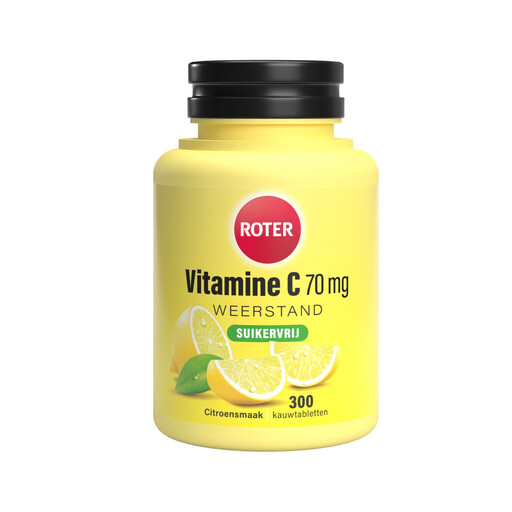
Why it suits this profile: The pack contains 300 sugar-free chewable tablets with a lemon flavour. According to the product information, one tablet provides 70 mg of vitamin C; the stated adult daily dosage is four tablets, or 280 mg.
The amount per tablet and per recommended daily dosage are clearly stated. This prevents you from confusing the 70 mg per tablet with 280 mg per day.
300 chewable tablets, sugar-free according to the product information, with a fixed dosage of 70 mg per tablet.
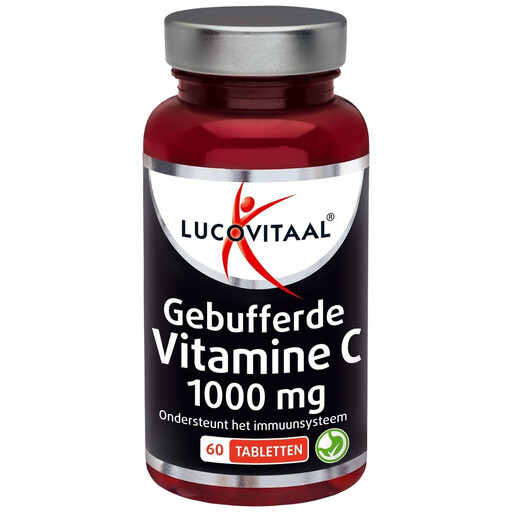
Why it suits this profile: According to the product information, these vegan tablets contain 1000 mg of vitamin C per tablet and use calcium ascorbate and magnesium ascorbate as the buffered form.
The product form and ingredients are clearly specified. The term buffered therefore does not replace checking the full ingredients list or dosage.
1000 mg per tablet, a vegan formula and a buffered form of vitamin C.
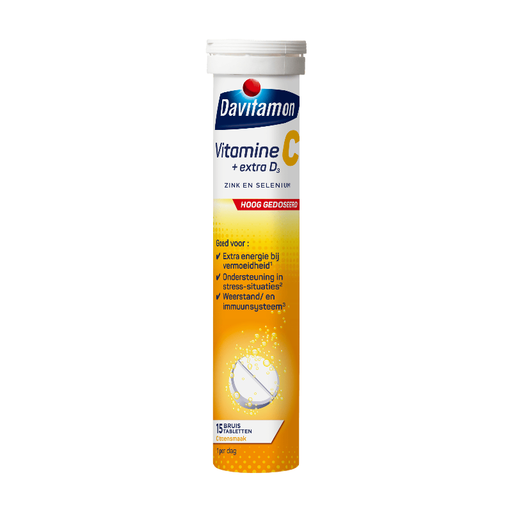
Why it suits this profile: According to the product information, one effervescent tablet contains 600 mg of vitamin C, supplemented with vitamin D3, zinc and selenium. The tablet is intended for adults.
The combination of nutrients is stated per daily dosage. However, check that you are not already getting vitamin D, zinc or selenium from other supplements.
Effervescent format for use with water, 600 mg of vitamin C and added vitamin D3, zinc and selenium.
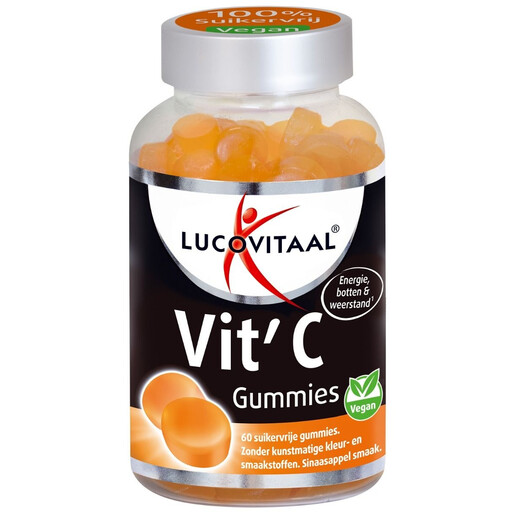
Why it suits this profile: According to the product information, these gummies contain 80 mg of vitamin C each and are vegan and sugar-free. The recommended intake is one gummy per day.
The serving is easy to count. However, note that maltitol is used as a sweetener and follow the recommended amount; more gummies do not automatically mean greater benefits.
80 mg per gummy, a vegan formula, sugar-free according to the product information, and an orange flavour.
We have put together a complete, up-to-date list of products that fully meet these strict selection criteria and the applicable European safety regulations.
Not necessarily. The right amount depends on your diet, age, personal circumstances and any other supplements you take. According to the label, a 1000 mg product contains a high amount compared with the reference intake. Follow the recommended dosage and do not use several products containing the same nutrient without checking your total intake.
You swallow vitamin C tablets with water. An effervescent tablet is dissolved in a glass of water first. Effervescent tablets can be useful if you find swallowing difficult, but they often contain acids, sweeteners and flavourings. Therefore, always check the ingredients list. Some vitamin C effervescent tablets may also carry a warning that they contain a source of phenylalanine.
Check the best-before date on the packaging and store the product according to the label. Tablets and capsules are usually stored in a dry place at room temperature. Effervescent tablets should remain tightly sealed to keep moisture out. Gummies may have additional storage instructions. Do not use a supplement if the packaging is damaged or if its smell, colour or texture has clearly changed.
A vitamin C supplement can be a practical addition to a varied diet. Above all, compare the daily dosage, form, ingredients, dietary features and cost per day of use. This helps you choose a product that not only sounds appealing but also suits your everyday needs.
