
Vandaag of morgen in huis

Kwaliteit gegarandeerd

Welkomstaanbiedingen ontgrendelen: GRATIS bezorging | Tot 80% korting | Gratis 30 dagen JoyPlus-proefperiode
Download de app
A vitamin C supplement may seem easy to compare: look at the number of milligrams and choose a pack. In practice, the key differences lie in the dosage per item, the form it comes in and any additional ingredients. For example, a 1000 mg tablet is not automatically the most suitable choice for every adult.
If you are specifically looking for vitamin C to support immunity, energy metabolism or protection against oxidative stress, it is wise to compare marketing claims with verifiable product specifications. Below, you will find the main points to consider, along with some popular choices for different situations.
Vitamin C 1000 mg sounds appealing, but a high dosage is not necessary for everyone. The label also states the percentage of the reference intake (RI). According to the product information for several variants, 1000 mg corresponds to 1250% RI.
A lower dosage may be more practical if you mainly want to top up your vitamin C intake daily with a chewable tablet or gummy. Also pay attention to the recommended amount. With some vitamin C tablets, one tablet is the daily serving, while certain vitamin C chewable tablets require you to take several.
Sugar-free vitamin C can be useful if you want to avoid added sugar, but always check which sweeteners have been used. For example, Roter uses sorbitol and sucralose in its low-sugar chewable tablets. A product can therefore be sugar-free and still contain sweeteners.
“Vegan vitamin C” also does not automatically tell you anything about the dosage or capsule format. According to the product specification, Lucovitaal Vitamin C 1000 mg uses a capsule made from hydroxypropyl methylcellulose. If you have allergies or specific dietary preferences, always check the full ingredients list.
Vitamin C with rosehip, sustained release or added minerals may suit a particular preference. However, it is important to check how much vitamin C you actually receive per daily serving.
With a supplement containing iron, such as Davitamon Iron with Vitamin C & B12, vitamin C is just one part of the formula. The product also contains iron, vitamins B6 and B12, folic acid and lactose. This is a different choice from a pure vitamin C supplement. Do not take iron-containing supplements without first checking whether they are suitable for your circumstances.
Always compare the amount of vitamin C per daily dose, not just per tablet. Here are a few examples from the range:
The European reference intake for vitamin C is a useful benchmark for comparison, but the RI percentage alone does not determine which dosage you should take. Follow the instructions on the label and do not exceed the recommended daily amount.
The best format mainly depends on your daily routine:
As well as the dosage, check:
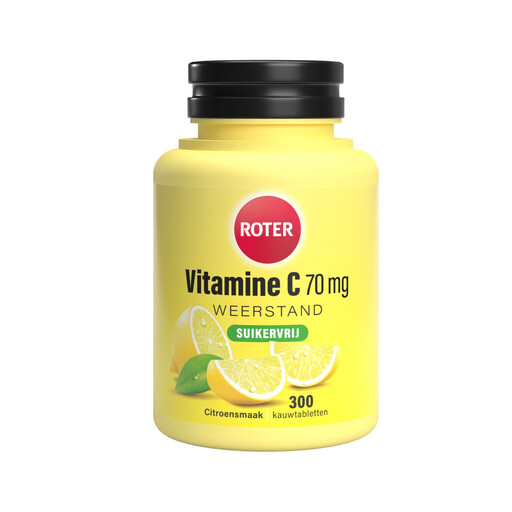
Why it suits this profile: The pack contains 300 sugar-free lemon-flavoured chewable tablets. You can take them without water and adjust the daily amount according to your age, as stated on the label.
The dosage is stated both per tablet and per daily serving. This makes it clear that four tablets provide a total of 280 mg of vitamin C.
300 tablets, sugar-free, chewable and with 70 mg of vitamin C per tablet.
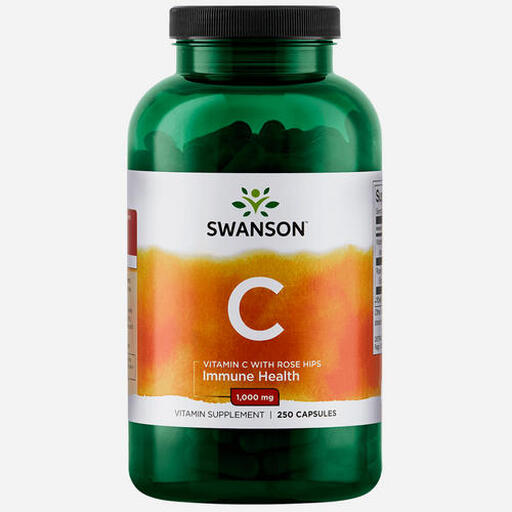
Why it suits this profile: This variant combines 1000 mg of vitamin C with rosehip extract and a sustained-release tablet. It suits anyone looking for one fixed daily dose and a large supply.
The formulation lists 1000 mg of vitamin C, 25 mg of 4:1 rosehip extract and the recommended dose of one tablet separately.
250 tablets, rosehip and a gradual release over approximately 6 to 8 hours according to the product information.
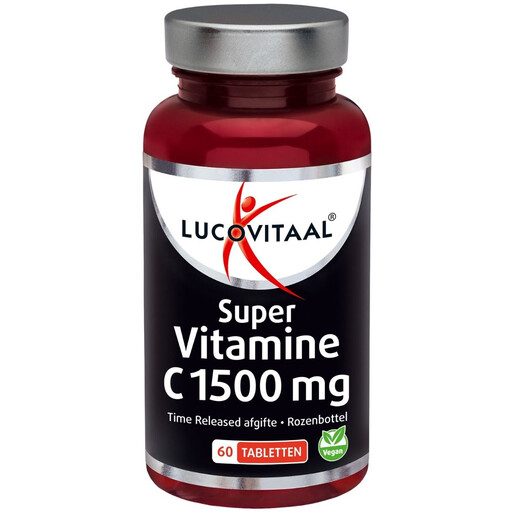
Why it suits this profile: The tablet contains 1500 mg of vitamin C, 30 mg of rosehip and a sustained-release formula. This is a targeted choice for adults who deliberately opt for a high dosage.
The high dosage and presence of rosehip are listed separately on the label. This means you do not have to work out the actual formulation from a marketing name.
1500 mg per tablet, 60 tablets, vegan according to the product specification and a sustained-release formula.
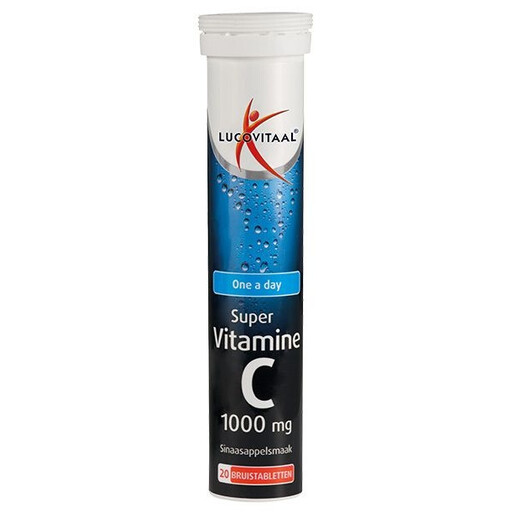
Why it suits this profile: One effervescent tablet dissolves in 200 ml of water and contains 1000 mg of vitamin C. The orange flavour may be more enjoyable than taking a capsule or standard tablet.
The instructions specify the amount of water and tell you to dissolve the tablet completely. Sweeteners and a source of phenylalanine are also listed.
1000 mg per effervescent tablet, orange flavour and a compact pack containing 20 tablets.
We have put together a complete, up-to-date list of products that fully meet these strict selection criteria and the applicable European safety regulations.
A food supplement is not a substitute for a varied diet and healthy lifestyle. Follow the recommended daily dose and keep the product out of the reach of young children. If you have a sensitive stomach or digestive system, a high dose may cause discomfort; for example, Davitamon’s product information explicitly mentions this in cases of excessive use.
Are you taking medication, pregnant or breastfeeding, or do you have a medical condition? If so, discuss your choice with a doctor or pharmacist. This is particularly important for products containing iron or multiple vitamins and minerals.
That depends on your diet, the formula you choose and your personal circumstances. 1000 mg is a high dosage compared with the RI. Always follow the label and do not combine several vitamin C products without a good reason.
Capsules and standard tablets are compact and easy to take with you. Effervescent tablets are suitable if you prefer to make a drink, but they require water and dry storage. Chewable tablets are convenient when you are out and about. Choose the format you can use consistently in line with the recommended dosage.
Check the best-before date on the packaging. Store capsules and tablets in a dry, sealed place, and close a tube of effervescent tablets immediately after use. A pack of 300, 365 or 250 tablets may offer good value per dose, but only if you use the contents before the best-before date.
