
Vandaag of morgen in huis

Kwaliteit gegarandeerd

Welkomstaanbiedingen ontgrendelen: GRATIS bezorging | Tot 80% korting | Gratis 30 dagen JoyPlus-proefperiode
Download de app
A vitamin C supplement may seem easy to choose, but packaging can give a misleading impression. An eye-catching high dosage, an appealing flavour or phrases such as “extra strength” do not automatically mean the product is right for your needs. If you buy online in the Netherlands, it is worth comparing the label, dosage and delivery format carefully.
Vitamin C 1000 mg sounds appealing, but more is not automatically more beneficial for every adult. Many products state 1000 mg per tablet or capsule, while the European reference intake for vitamin C is 80 mg. So check whether you are consciously choosing a high-dose vitamin C supplement or simply looking to top up your daily intake.
A higher dosage can also cause gastrointestinal discomfort in sensitive individuals. Always follow the recommended daily amount on the label and do not combine several vitamin C products without a good reason.
Vitamin C tablets and vitamin C capsules are practical if you prefer to take your supplement at one set time each day. Capsules can sometimes be opened, but this is only advisable when the product information permits it. Effervescent tablets dissolve in water and are an alternative for people who would rather not swallow a tablet. Do check the sweeteners, flavourings and any possible sources of phenylalanine.
Vitamin C gummies are easy to take, but they usually contain a lower amount of vitamin C per gummy. They therefore cannot be compared directly with vitamin C 1000 mg capsules.
A product may be described as vegan, sugar-free or “gentle on the stomach”, but always check the full ingredients list. For example, look at:
Claims about supporting the immune system, energy, bones and teeth should be read as nutritional information based on the product description, not as a promise to prevent or treat illness. According to information provided by the brands themselves, the nutrients mentioned contribute to certain normal bodily functions.
Do not just compare the number on the front of the pack. Check whether the stated amount applies per tablet, capsule or complete daily dose. For example, a product containing 500 mg per chewable tablet may have a different daily dosage from a product containing 1000 mg per capsule.
For adults, there are several practical options:
Choose the format you can use consistently. Capsules are compact and often flavourless. Tablets are easy to count out for each day. Effervescent tablets are suitable if you prefer to dissolve vitamin C in a glass of water. Gummies are worth considering if chewing is more comfortable than swallowing, but check the amount per gummy.
A vegan vitamin C supplement generally uses an HPMC capsule or other plant-based excipients. Check the claim on the packaging, as not every multivitamin is vegan.
With buffered vitamin C, vitamin C is combined with, for example, calcium ascorbate or magnesium ascorbate. According to Lucovitaal’s product description, this form is less acidic than ascorbic acid. This may appeal to people looking for a less acidic formulation, but individual experiences vary.
Would you like to combine vitamin C with other nutrients? Then watch out for duplicate dosages. A product containing vitamin C with zinc and vitamin D can be practical, but check whether you are already getting these nutrients from a multivitamin. With vitamin C with iron, extra caution is needed: iron is not suitable for everyone and excessive intake can be harmful. If you take medication, have a medical condition, are pregnant or are unsure whether the product is suitable, consult a doctor or pharmacist.
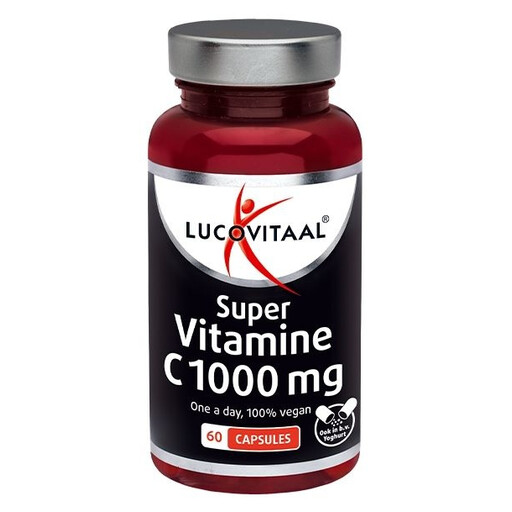
Why it suits this profile: One capsule a day, 60 capsules per pack and a vegan HPMC capsule make this a straightforward choice for daily use.
The dosage and number of capsules are clearly stated. You are not paying for a complex blend with lots of extra ingredients.
1000 mg of vitamin C per capsule, vegan and, according to the product information, suitable for opening and mixing with yoghurt or juice.
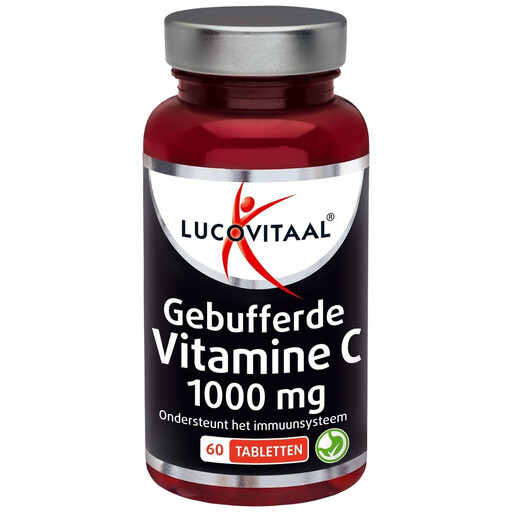
Why it suits this profile: This tablet is intended for adults and children aged 12 and over who are considering a less acidic form of vitamin C.
The formulation lists calcium ascorbate and magnesium ascorbate. This makes the form verifiable rather than merely a marketing term.
1000 mg per tablet, vegan and one tablet a day according to the product information.
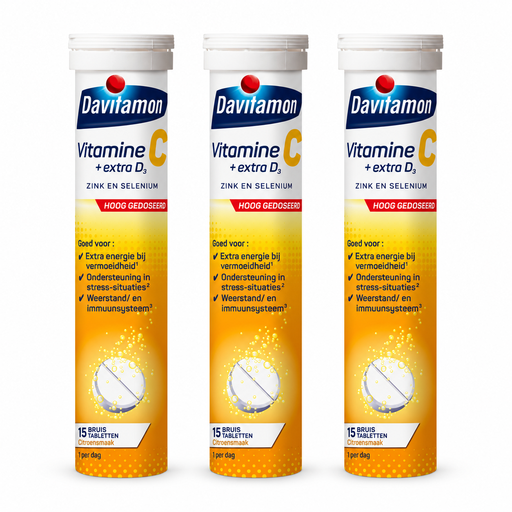
Why it suits this profile: An effervescent tablet combines vitamin C with vitamin D3, zinc and selenium for anyone who wants to take several nutrients at once.
The amounts per tablet are specified: 600 mg of vitamin C, 5 µg of vitamin D3, 10 mg of zinc and 55 µg of selenium.
Lemon-flavoured effervescent tablet, sugar-free according to the product description, with 600 mg of vitamin C per daily tablet.
We have compiled a complete, up-to-date list of products that fully meet these strict selection criteria and the applicable European safety regulations.
Check the following before placing your order:
This depends on your total intake, the product you choose and your personal circumstances. 1000 mg is a high dosage compared with the reference intake. Follow the label and stop if you experience any discomfort. If you take medication or have a medical condition, you can ask a doctor or pharmacist for advice beforehand.
The active nutrient may be similar, but the experience of taking each format differs. Capsules are swallowed and are often available in vegan versions. Tablets are easy to dose. Effervescent tablets are dissolved in water and often contain flavourings and sweeteners. Above all, choose the format you can use consistently.
Check the best-before date and storage instructions on the packaging. An opened tube of effervescent tablets should remain tightly closed to keep moisture out. Store capsules, tablets and gummies in a dry place at the stated temperature. Do not use the product if the packaging is damaged or the contents have clearly changed.
