
Vandaag of morgen in huis

Kwaliteit gegarandeerd

Welkomstaanbiedingen ontgrendelen: GRATIS bezorging | Tot 80% korting | Gratis 30 dagen JoyPlus-proefperiode
Download de app
A vitamin C serum can be appealing if your skin looks dull, you want your complexion to appear more even or you want to care for dark spots. However, it is not wise to rely solely on words such as “glow”, “anti-pigmentation” or “instant brightening”. The formula, concentration, packaging and combination with other active ingredients have a much greater influence on how well a product suits your routine.
Pure ascorbic acid is a well-known form of vitamin C, but a high concentration may be less suitable for sensitive or inexperienced skin. For example, according to the product information, the Vitamin C23 Anti aging serum contains 23% ascorbic acid. This is a specific fact, but in itself it does not indicate how your skin will react.
Other products use vitamin C derivatives, such as 3-O-Ethyl Ascorbic Acid or Sodium Ascorbyl Phosphate. These ingredients often appear lower down or further along the ingredients list and have different properties from pure vitamin C. Therefore, compare the full ingredients list rather than just the percentage shown on the front.
A serum for pigmentation can complement your skincare routine, but cosmetic products cannot guarantee that discolouration will disappear completely. According to a brand’s own research or claims, products may help to support a more even-looking complexion; that is different from a guaranteed result for every user.
Also consider how it works alongside sun protection. AHAs can increase sensitivity to sunlight. During the day, a sunscreen with suitable UV protection is therefore important, especially when using a serum containing an AHA, pure vitamin C or other active ingredients.
Vitamin C can oxidise over time. Store a vitamin C face serum according to the instructions on the packaging, close the cap securely and keep the product out of direct sunlight. The serum specifies refrigerated storage, as well as use within two months of opening for optimum product quality. Always check the batch information, expiry date and period after opening on the product you receive.
First, check whether the formula contains pure ascorbic acid or a vitamin C derivative. Pure vitamin C is often listed as Ascorbic Acid in the ingredients list. Derivatives include 3-O-Ethyl Ascorbic Acid, Ascorbyl Glucoside and Sodium Ascorbyl Phosphate.
For beginners or sensitive skin, a formula with a gentler positioning and hydrating ingredients may be more practical. If you are already used to active skincare, you may prefer to look at a higher concentration, but introduce it gradually.
A serum with niacinamide may be worth considering if, alongside a dull appearance, you also want to focus on skin texture and sebum. According to the product description, the OLAY Vitamin C Serum combines vitamin C with AHA and 99% pure niacinamide. The ingredients list also includes glycerine, panthenol and lactic acid.
A serum with AHA and BHA focuses more on exfoliating care and pores. According to the product information, the AHA BHA Vitamin C Daily Toner combines glycolic acid, salicylic acid and ascorbic acid. Do not automatically use such combinations at the same time as every other active product. Start with a low frequency and stop if irritation persists.
Dry skin often benefits more from a hydrating face serum containing glycerine, hyaluronic acid, panthenol or squalane. For oily or combination skin, a lightweight, non-sticky texture may feel more comfortable. With sensitive skin, fragrance, essential oils and high concentrations of active ingredients are additional points to consider.
A serum for a more even-looking complexion does not necessarily need to be the strongest formula. A product that you can use consistently and comfortably will often be a better fit for your daily routine.
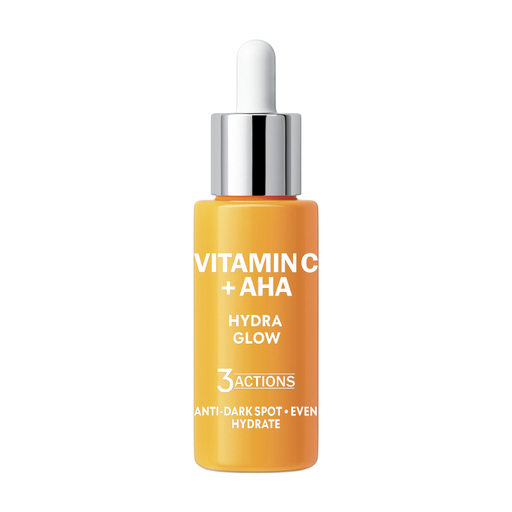
Why it suits this profile: The formula combines vitamin C, lactic acid and niacinamide in one 40 ml serum, so you do not need to buy several separate products straight away.
The product information clearly states the combination of ingredients, volume and directions for use. Bear in mind that it contains an AHA and use UV protection during the day.
40 ml content; glycerine and panthenol for a hydrating feel; vitamin C, AHA and niacinamide in one formula.
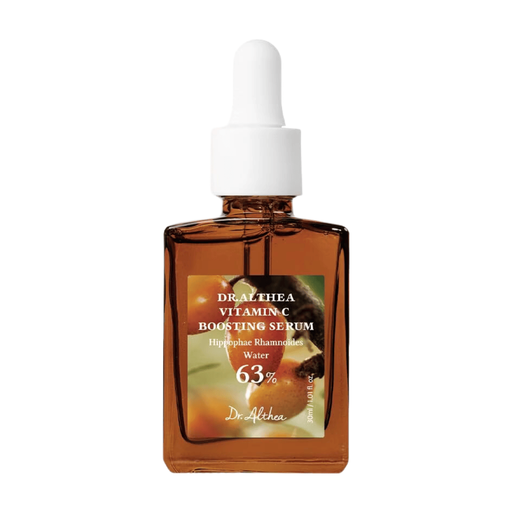
Why it suits this profile: The ingredients list includes niacinamide, tranexamic acid, ceramide NP, hyaluronic acid and vitamin C derivatives, making this a versatile choice for a comprehensive routine.
You can compare the product claims with the full ingredients list. The formula states that it contains no artificial colourants or fragrance, but check the label on the packaging you receive.
30 ml; lightweight texture according to the product description; combines niacinamide, ceramide NP and hydrating ingredients.
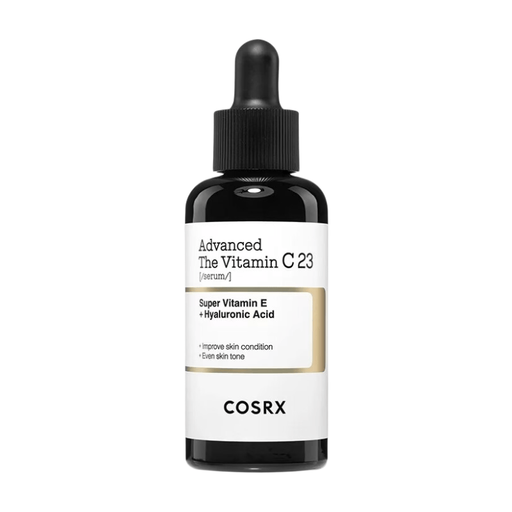
Why it suits this profile: According to the product information, this serum contains 23% pure ascorbic acid and is intended for users who already have experience with active skincare.
The high concentration is clearly stated. The directions for use recommend a patch test, cool storage and caution when combining it with retinol or other potent active ingredients.
23% ascorbic acid; 20 ml content; also contains panthenol, squalane and sodium hyaluronate.
Stop using the product if you experience redness, burning, itching or swelling. Do not apply it to damaged or irritated skin and avoid contact with the eyes.
We have compiled a complete, up-to-date list of products that fully meet these strict selection criteria and the applicable European safety regulations.
That depends on the formula, concentration and how your skin reacts. Ideally, choose a product with clear ingredient information, test it on a small area of skin first and avoid using several potent active ingredients at the same time.
According to their directions for use, some products are suitable for daily use. If you have sensitive skin, it is better to start by using it every other day and increase the frequency only if your skin tolerates it well. Always follow the instructions on the packaging.
Shelf life varies from product to product. Check the expiry date, batch information and period after opening. Store the serum in a cool place and out of direct sunlight when this is recommended on the label or in the product information.
