
Vandaag of morgen in huis

Kwaliteit gegarandeerd

Welkomstaanbiedingen ontgrendelen: GRATIS bezorging | Tot 80% korting | Gratis 30 dagen JoyPlus-proefperiode
Download de app
A vitamin C serum can seem appealing if your skin looks dull, your complexion is uneven or you are looking for extra hydration. However, not every product containing “vitamin C” is automatically suitable for your routine. The difference lies partly in the form of vitamin C, the packaging and the combination with other ingredients.
This practical guide will help you compare a vitamin C face serum without relying solely on attention-grabbing marketing claims.
A higher percentage sounds convincing, but it does not tell you everything about the formula. Vitamin C comes in various forms, including ascorbic acid, 3-O-ethyl ascorbic acid, sodium ascorbyl phosphate and ascorbyl tetraisopalmitate. These variants differ in composition and feel on the skin.
A serum with a lower percentage may therefore be more comfortable for daily use, while a higher concentration may be better suited to someone who already has experience with active skincare. The product description and ingredients list provide more information than the percentage alone.
A brightening serum or serum for an even complexion is not a substitute for sun cream. Vitamin C is often presented as an antioxidant serum, but a cosmetic serum does not automatically provide a specified level of UV protection. During the day, always use a separate product with a suitable SPF.
Products with SPF, such as a make-up base, are also not the same as a vitamin C serum. The amount you use as a make-up base is often not equal to the amount required to achieve the stated sun protection factor.
Vitamin C formulas can be sensitive to light, heat and air. Look for a well-sealed bottle, storage advice and the period after opening. A product may change colour or smell; when in doubt, always follow the label and the manufacturer's instructions.
For example, Sesderma states a period after opening of 6 months. Freshly Cosmetics states 12 months after opening. This information is more useful than making a general statement about how long every serum will last.
Check where vitamin C appears in the ingredients list and which form it takes. According to the product information, the Sesderma ABSOLUT RADIANT VIT-C6+ Serum contains 3-O-ethyl ascorbic acid and ascorbyl tetraisopalmitate, among other ingredients, with a stated concentration of 6%.
According to the product description, Skeyndor uses 7.5% pure vitamin C. NIVEA lists ascorbyl glucoside. These are different formulations, so you should not rank products based on percentage alone.
If you are looking for a hydrating face serum as well as skin brightening, look for ingredients such as glycerine, panthenol, betaine, hyaluronic acid or squalane. Dry skin often benefits from a formula that contains moisture-binding or soothing ingredients alongside an active ingredient.
A niacinamide serum may be worth considering if you want to combine vitamin C with niacinamide. However, check the full ingredients list and introduce new products gradually, particularly if your skin reacts easily.
A 30 ml bottle is not automatically better value than a 14 ml concentrate. Look at:
If you have sensitive skin, first carry out a small test on a limited area of skin. Stop using the product if you experience redness, itching, swelling or a burning sensation. Do not apply the product to damaged skin and avoid the eye area if stated on the packaging.
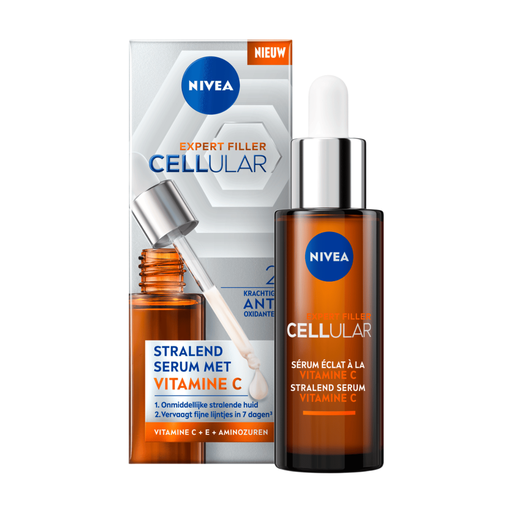
Why it suits this profile: An accessible everyday serum with a 30 ml volume, glycerine, vitamin E and amino acids, according to the product description.
The product information names the form of vitamin C used, ascorbyl glucoside, rather than simply using a general vitamin C label.
30 ml, suitable for all skin types according to the product information, and contains glycerine and vitamin E.
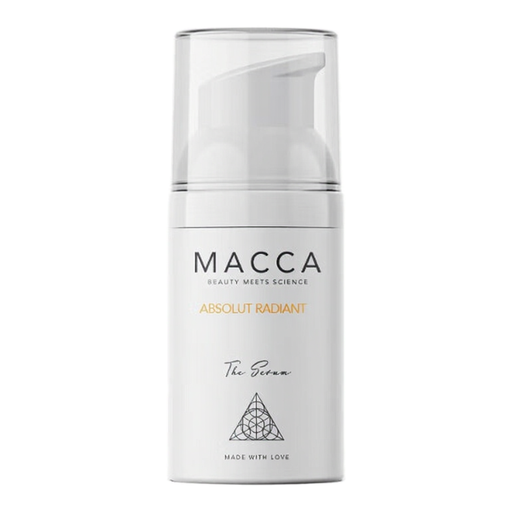
Why it suits this profile: For anyone looking for an antioxidant serum with several antioxidant-focused ingredients and a clearly stated volume.
The formula states 6% vitamin C, pomegranate extract and the specific vitamin C derivatives. The packaging states 6M after opening.
30 ml, suitable for all skin types according to the product details, and can be used during the day and in the evening.
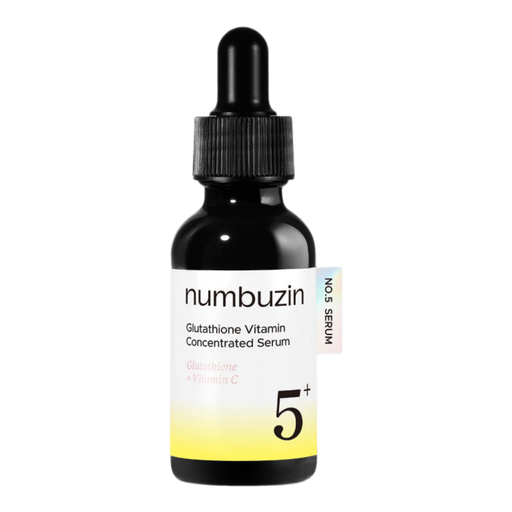
Why it suits this profile: Ideal for users who want to include vitamin C, niacinamide, tranexamic acid, panthenol and hyaluronic acid in one routine.
The ingredients list makes it possible to check the combination of vitamin C forms and additional active ingredients. The usage instructions recommend applying sun cream during the day.
30 ml, suitable for all skin types according to the product information, and suitable for daily use in the morning and evening.
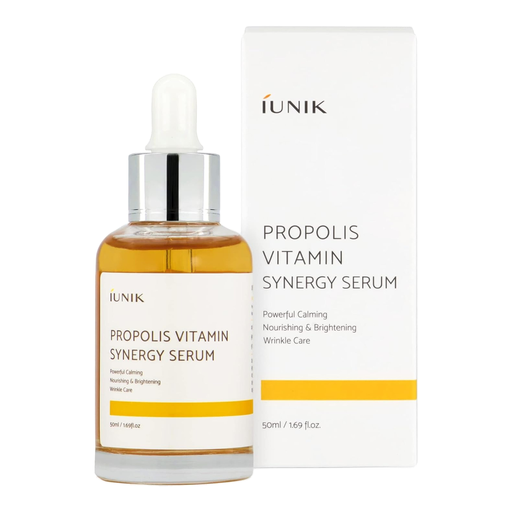
Why it suits this profile: A Korean skincare option for anyone looking for a larger size and a formula containing propolis, niacinamide and hyaluronic acid.
The product information lists the main extracts and warns about limonene. This makes checking the ingredients essential if you have sensitive skin.
50 ml volume and several hydrating ingredients, including glycerine, betaine and sodium hyaluronate.
Stop using the product if irritation occurs. Check the ingredients on the packaging before each use, as formulas and labels may change.
We have put together a complete, up-to-date list of products that fully meet these strict selection criteria and the applicable European safety regulations.
Many products are described as suitable for all skin types according to their product details, but that does not mean every formula will feel comfortable for everyone. Alcohol, fragrance, essential oils and certain extracts may cause sensitivity in some users. Therefore, check the ingredients list and test the product on a small area first.
This depends on the formula and the instructions on the packaging. Some serums are intended for daily use, while a concentrate may be offered as an intensive course. If you are unsure, start by using it less frequently and only increase use if your skin tolerates it well.
A brand may state, based on its own research or product information, that a serum brightens the complexion or reduces the appearance of dark spots. This does not guarantee the same result for every user. Always use sun protection during the day and consult a doctor or dermatologist if pigmentation persists or changes.
