
Vandaag of morgen in huis

Kwaliteit gegarandeerd

Welkomstaanbiedingen ontgrendelen: GRATIS bezorging | Tot 80% korting | Gratis 30 dagen JoyPlus-proefperiode
Download de app
A vitamin C serum can be a useful addition to a skincare routine for dull skin, an uneven complexion and visible pigmentation. However, not all brightening serums are the same. One formula may contain a high concentration of pure vitamin C, while another mainly uses stable vitamin C derivatives, niacinamide or tranexamic acid.
The packaging does not always tell the whole story either. Before buying a serum, pay attention to the formula, directions for use and shelf life.
A higher percentage of pure ascorbic acid may sound appealing, but it can be less comfortable for sensitive or inexperienced skin. A vitamin C derivative such as 3-O-Ethyl Ascorbic Acid is often used in formulas designed for stability and gentler application. So do not just check the percentage; look at the type of vitamin C as well.
Brands may promote a serum for a more even complexion or as a serum for pigmentation, but results vary from person to person. According to a brand’s own research, certain changes may become visible after a specified period; these results are not guaranteed for every user. Treat claims as product information, not as a certain outcome.
Vitamin C and acids such as AHA can make the skin more sensitive to sunlight. Use sunscreen during the day and limit prolonged exposure to the sun. A serum is not a substitute for UV protection. If you experience irritation, redness, itching or a burning sensation, stop using the product and consult a doctor if necessary.
Check the ingredients list. Commonly used variants include:
A formula containing several variants is not automatically more suitable. Also look at the other ingredients and the storage instructions.
A niacinamide serum may suit combination or oilier skin, while glycerine, panthenol, hyaluronic acid and ceramides can be useful for dry skin. Tranexamic acid serum formulas generally target an uneven complexion and are often combined with niacinamide and vitamin C derivatives.
Pay attention to the balance: having several active ingredients in one product can be convenient, but if you have sensitive skin, it is wise to introduce them gradually.
Pure vitamin C can be sensitive to light, heat and air. According to the product information, Vitamin C23 contains 23% ascorbic acid and should be stored in the fridge after opening; a period of two months is given for best use. Other serums contain more stable derivatives and have different storage recommendations.
Always check the packaging you receive for the expiry date, batch number and period after opening. A discoloured formula, unusual smell or change in texture is a reason not to continue using the product.
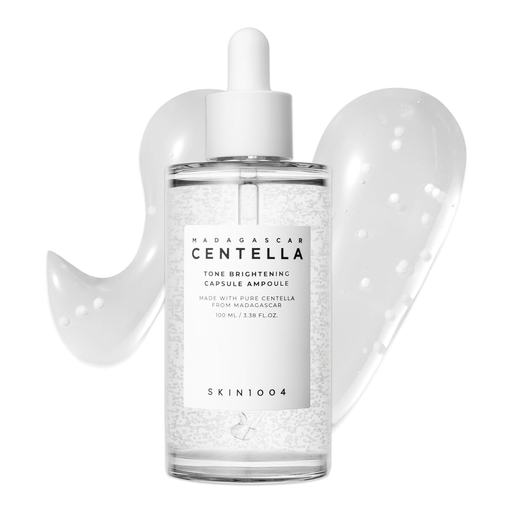
Why it suits this profile: The 100 ml size is practical for anyone who wants to use a hydrating face serum every day without immediately choosing a small bottle. The formula contains niacinamide, tranexamic acid, centella asiatica and 3-O-Ethyl Ascorbic Acid.
The product information describes a lightweight, fast-absorbing texture and provides clear instructions for daily use and storage away from direct sunlight.
100 ml; combines hydrating ingredients, niacinamide and a vitamin C derivative.
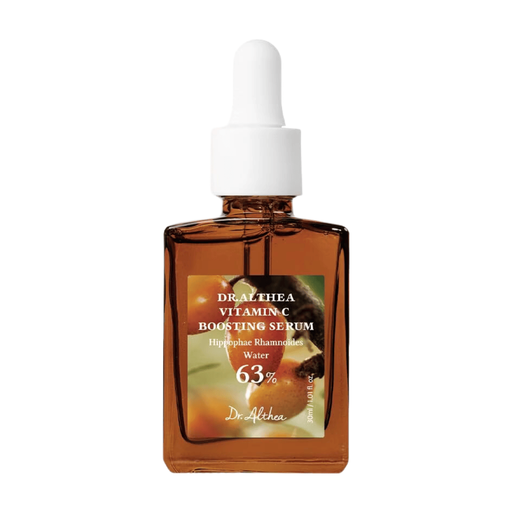
Why it suits this profile: This formula combines sea buckthorn water, niacinamide, tranexamic acid, 3-O-Ethyl Ascorbic Acid, hyaluronic acid and ceramide NP. It is well suited to anyone who wants to combine brightening and hydration in one serum.
The formula contains more than just pure vitamin C, and the product information states that it contains no artificial colourants or perfume.
30 ml; several hydrating ingredients; contains both vitamin C forms as well as niacinamide and tranexamic acid.
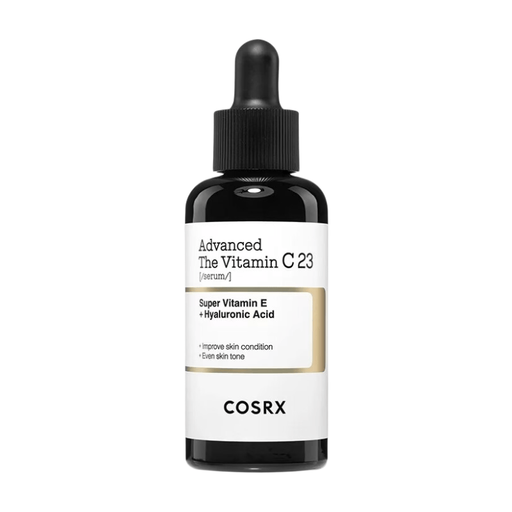
Why it suits this profile: According to the ingredients list, this serum contains 23% ascorbic acid and is intended for users who have consciously chosen a high concentration of pure vitamin C.
The product information recommends patch testing, separate use of retinol and other potent active ingredients, and refrigerated storage.
23% ascorbic acid; also contains 3-O-Ethyl Ascorbic Acid, panthenol and sodium hyaluronate.

Why it suits this profile: The product description mentions a lightweight, watery texture and a formula with vitamin C, niacinamide, allantoin and sea buckthorn fruit extract.
According to the product information, the formula contains no perfume or colourants. Even so, test the product on a small area of skin first.
30 ml; lightweight texture; contains hydrating and soothing ingredients according to the product description.
An anti-ageing serum containing retinol is therefore not the same as a brightening serum. Retinol products often call for an evening routine and extra caution. For hydration without vitamin C, you could also consider a hydrating face serum containing glycerine, panthenol or hyaluronic acid.
We have put together a complete, up-to-date list of products that fully meet these strict selection criteria and the applicable European safety regulations.
That depends on the form and concentration. A serum containing a vitamin C derivative and hydrating ingredients can be a practical starting point. Always test it on a small area of skin first and stop using it if irritation persists.
Many products are designed for daily use, but follow the instructions on the packaging. If in doubt, start by using it every other day. Sunscreen is important during the day, especially when the formula also contains AHA.
This varies by formula. Check the expiry date and the period after opening. A serum containing pure vitamin C may require specific storage;, for example, recommends refrigerated storage and use within two months of opening.
