
Vandaag of morgen in huis

Kwaliteit gegarandeerd

Welkomstaanbiedingen ontgrendelen: GRATIS bezorging | Tot 80% korting | Gratis 30 dagen JoyPlus-proefperiode
Download de app
A vitamin C serum can be a good choice for dull skin, an uneven complexion or visible dark spots. However, eye-catching packaging or a high percentage does not tell you everything about the formula. Buying without comparing products can lead to three common pitfalls: an unclear vitamin C concentration, an unstable formula and a product that is unsuitable for sensitive skin.
Brands sometimes display a large ppm figure on the packaging. However, this number may refer to sea buckthorn water or a botanical extract, rather than the actual amount of vitamin C. Check whether the label clearly lists ascorbic acid, 3-O-ethyl ascorbic acid, ascorbyl glucoside or another form of vitamin C.
For example, a serum containing 640,000 ppm Hippophae Rhamnoides Water contains a high amount of sea buckthorn water, but that is not the same as 640,000 ppm pure vitamin C. Understanding this distinction helps prevent unrealistic expectations when choosing a vitamin C face serum.
Pure ascorbic acid can feel irritating at higher concentrations, particularly on sensitive or compromised skin. A vitamin C derivative such as 3-O-ethyl ascorbic acid is often chosen for its different formulation and user experience. That does not mean every derivative is suitable for everyone: always check the full ingredient list and, if in doubt, perform a patch test on a small area of skin.
Light, heat and air can affect vitamin C formulas. A serum that changes colour, develops a different scent or has a noticeably altered texture is a reason to check the packaging and expiry information. Store the product according to the brand’s instructions, close the bottle securely and do not use an ampoule or serum beyond the period indicated on the packaging.
Pure vitamin C is generally listed as ascorbic acid in the ingredients list. Examples of derivatives include 3-O-ethyl ascorbic acid and ascorbyl tetraisopalmitate. A product containing 3% pure ascorbic acid, such as Some By Mi Galactomyces Pure Vitamin C Glow Serum, has a different composition from a product containing 23% pure vitamin C, such as Vitamin C23.
A higher concentration may appeal to experienced users, but it does not guarantee better results. Also look for supportive ingredients such as glycerin, panthenol, hyaluronic acid, ceramides or beta-glucan. These can contribute to a more comfortable feel and improved hydration.
If you are primarily looking for a serum for dark spots, consider ingredients such as niacinamide, alpha-arbutin or tranexamic acid. These ingredients do not automatically make a product effective for every user; the product description and your skin’s own response remain the best guides.
For a serum designed to promote radiant-looking skin, hydrating ingredients are also relevant. A lightweight texture can work well under day cream or sunscreen. An oil-based formula may be more suitable for dry skin that needs additional comfort.
During the day, use a sunscreen with an appropriate protection factor when applying a brightening serum. Formulas containing AHA can particularly increase sensitivity to sunlight. According to the product information for OLAY Vitamin C Serum AHA + 99% Pure Niacinamide, AHA may increase sensitivity to the sun. Sun protection is also recommended in the usage instructions for various pure vitamin C products.
Do not combine a vitamin C serum casually with other potent active ingredients. When using a high concentration, retinoids or exfoliating acids, follow the usage instructions and keep your routine simple.
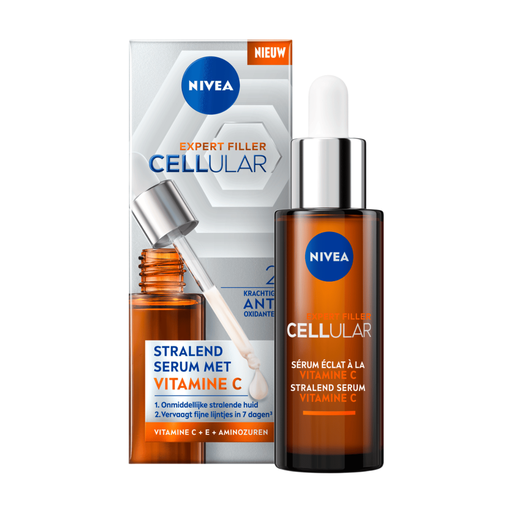
Why it suits this profile: An accessible 30 ml formula for anyone looking for a lightweight serum for daily use and wishing to combine vitamin C with vitamin E.
The ingredients list includes ascorbyl glucoside, making it clear that this is a vitamin C derivative. The packaging also states the 30 ml volume and provides usage instructions.
According to the product information, the serum contains vitamin C, vitamin E and amino acids. The brand states that the formula has been dermatologically tested and is suitable for all skin types.
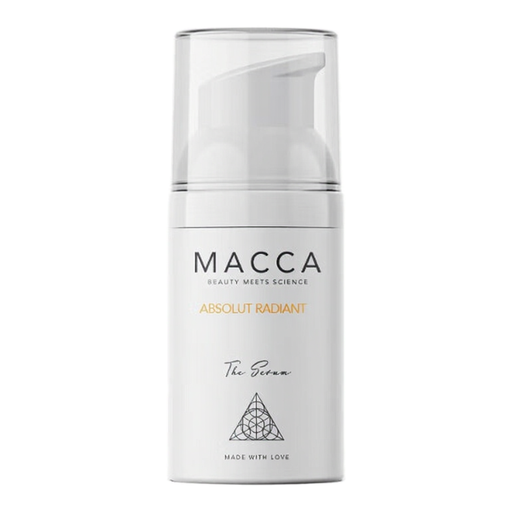
Why it suits this profile: Ideal for anyone looking to add a compact serum with a stated concentration and antioxidant-focused formula to their morning and evening routine.
The product information specifies 6% vitamin C and lists 3-O-ethyl ascorbic acid among the ingredients. Alcohol denat. is also listed, which is important to consider if you have sensitive skin.
According to the ingredients list, the formula contains glycerin, panthenol and pomegranate extract. The volume is 30 ml, and the stated period after opening is 6 months.
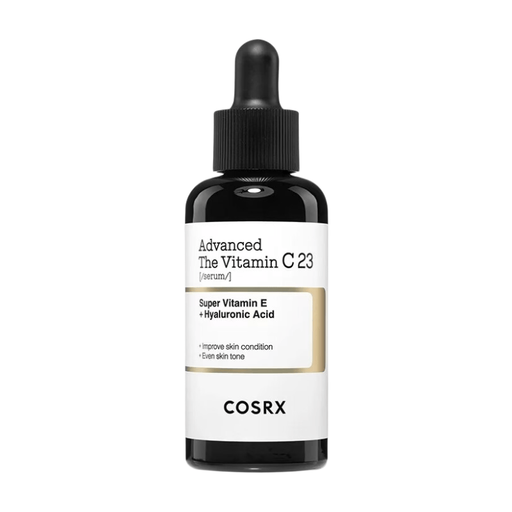
Why it suits this profile: Suited to users who deliberately choose a high concentration of pure vitamin C and are prepared to pay extra attention to storage and gradual introduction.
The concentration is clearly stated as 23% ascorbic acid. According to the usage information, the serum should be stored in the refrigerator and preferably used within 2 months of opening.
In addition to pure vitamin C, the ingredients list includes panthenol, squalane, hyaluronic acid and vitamin E. A patch test is recommended according to the product information.
We have compiled a complete, up-to-date list of products that fully meet these strict selection criteria and the applicable European safety regulations.
Apply a vitamin C serum to cleansed skin, usually after toner and before moisturiser. If you have sensitive skin, start by using it a few times a week and increase frequency only if your skin remains calm. Apply sun protection during the day and avoid contact with the eyes.
If you want to target dark spots, apply the product evenly rather than only to visible areas. Do not expect an immediate change: skin can take time to respond, and results vary from person to person. Discontinue use if irritation persists and consult a doctor or pharmacist if you have skin concerns.
That depends on the form of vitamin C, its concentration and the other ingredients. A serum for sensitive skin may contain a gentler derivative and soothing ingredients, but even such a formula can cause irritation. Check the label for fragrance, alcohol, essential oils and acids, and perform a patch test beforehand.
Many products are designed for daily use, but always follow the label instructions. When using a high concentration of pure vitamin C or a formula combined with AHA, it is wiser to introduce it gradually. Also use sun protection during the day and store the serum as directed.
Shelf life varies by product. Sesderma, for example, states 6 months after opening, while Vitamin C23 should preferably be used within 2 months and stored in the refrigerator according to the product information. Always consult the packaging, watch for changes in colour, scent and texture, and close the bottle immediately after use.
