
Vandaag of morgen in huis

Kwaliteit gegarandeerd

Welkomstaanbiedingen ontgrendelen: GRATIS bezorging | Tot 80% korting | Gratis 30 dagen JoyPlus-proefperiode
Download de app
A vitamin C serum can be worth considering if your skin looks dull, your complexion appears uneven or you have visible dark spots. However, it is not advisable to base your decision solely on an eye-catching percentage or phrases such as “glow” and “anti-aging”. The formula, packaging and how you use the product all help determine whether a serum is right for your skincare routine.
As a Joybuy Product Recommendation Officer, I filter the most important product information so you can compare marketing claims with verifiable specifications more effectively.
The market includes serums with, for example, 3%, 5%, 7.5%, 12% and 23% vitamin C. These percentages are not always directly comparable. A formula containing pure ascorbic acid works differently from one using a derivative such as 3-O-ethyl ascorbic acid or ascorbyl glucoside.
A higher concentration may also feel less comfortable on sensitive skin. Pay attention to:
A product may be described as suitable for all skin types, yet still contain alcohol, fragrance, essential oils, salicylic acid or AHA. These are not prohibited ingredients, but they may be relevant if your skin tends to feel dry, red or sensitive.
Always check the complete ingredients list. A hydrating facial serum containing glycerin, panthenol, betaine, hyaluronic acid or ceramides may be a better fit for dry skin than a formula focused primarily on exfoliating ingredients.
Vitamin C is not a substitute for sunscreen. When using a serum for pigmentation or dark spots, daily UV protection is important to help limit further discolouration caused by sun exposure. Products containing AHA or salicylic acid may, according to the product warning, require additional care around sun exposure.
Apply a sunscreen with a suitable SPF during the day. Discontinue use if you experience persistent itching, burning, swelling or redness.
Ascorbic acid is pure vitamin C. This form is often chosen for a concentrated antioxidant serum, but it can be more sensitive to light, air and heat. A lower pH and higher concentration may make the formula feel more intense for some users.
Vitamin C derivatives such as 3-O-ethyl ascorbic acid, ascorbyl glucoside and ascorbyl tetraisopalmitate are different forms with their own characteristics. So do not just check the front of the packaging—pay particular attention to the INCI list.
For a gentler start, consider a facial serum with vitamin C in a lower concentration or with a derivative. If you are already used to active skincare, you may want to consider a higher concentration, provided your skin tolerates it.
A serum for radiant skin does not need to contain vitamin C alone. Ingredients such as vitamin E, niacinamide, glycerin, panthenol, betaine, allantoin, squalane and hyaluronic acid can complement the formula.
However, take combinations into account. A product containing vitamin C and salicylic acid or AHA may require extra caution if you have sensitive skin. Avoid using several powerful active serums at the same time until you know how your skin responds.
Vitamin C can oxidise over time. Dark, tightly sealed packaging and storage away from direct sunlight are therefore practical considerations. After receiving the product, check:
A transparent formula or one that has become darker is not automatically unsafe, but it may indicate that the composition has changed. If in doubt, follow the information on the label or contact the manufacturer.

Why it fits: A straightforward option for anyone looking to start using a vitamin C serum and seeking a lightweight texture.
The product information states that it contains 5% ascorbic acid. This lets you compare the concentration concretely instead of relying solely on promises of a glowing complexion.
Pure vitamin C, 5% ascorbic acid and a lightweight formula; according to the product description, designed to promote a more even, radiant complexion.

Why it fits: Its watery, non-sticky texture and hydrating ingredients suit a routine for skin that quickly feels tight and dry.
The product description states that it contains no fragrance or colourants. Nevertheless, check the label of the product you receive before use.
Contains vitamin C, niacinamide, allantoin and sea buckthorn extract; according to the description, it is vegan and suitable for sensitive skin.

Why it fits: Suitable for users who want to combine pure vitamin C with vitamin E and salicylic acid in a single facial serum.
The 12% concentration is clearly stated. However, the formula also contains alcohol, fragrance and salicylic acid, so a patch test is advisable.
30 ml, pure ascorbic acid, vitamin E and salicylic acid. The stated results are claims made by L’Oréal and are not guaranteed for every user.
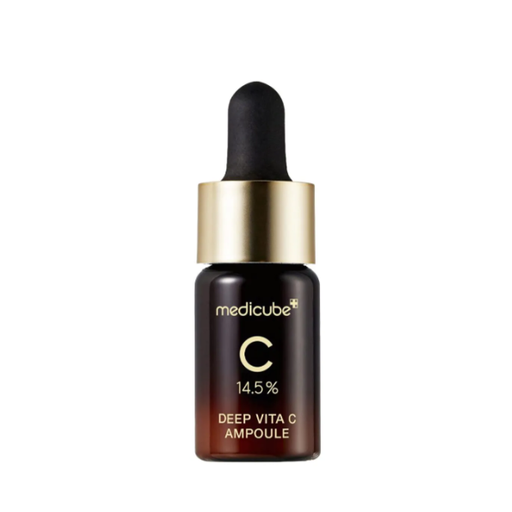
Why it fits: For those specifically looking for an antioxidant serum with a clearly stated amount of pure ascorbic acid.
The ingredients list states that it contains 145,000 ppm ascorbic acid. With such a high concentration, it is important to introduce the product gradually, especially if you have sensitive skin.
Also contains panthenol, allantoin, hyaluronic acid and vitamin E. The manufacturer describes the product as targeting hyperpigmentation and brown spots.
Apply the serum to a cleansed face, usually before moisturiser. If you have sensitive skin, start a few times a week and use a small amount. Always follow the directions on the label; some serums are intended for morning and evening use, while other formulas are primarily recommended for evening application.
Use sunscreen during the day. Do not combine a high concentration of vitamin C immediately with several other potent ingredients, such as retinol, exfoliating acids or certain peptide products, unless the product information permits it and your skin tolerates the combination well.
Store the bottle in a cool, dry place away from direct sunlight. Refrigeration is only necessary when explicitly recommended by the brand, as is the case with some concentrated formulas.
Browse our current range and compare vitamin C products by ingredients, concentration, skin type and intended use.
That depends on the formula and your skin. A gentle serum may be used daily according to the label. With pure vitamin C or a high concentration, it is wiser to build up gradually. Stop using the product if irritation persists.
According to product descriptions, a serum may help make the complexion appear more even or reduce the visibility of dark spots. This result is not guaranteed and depends on your skin, how consistently you use the product and your exposure to sunlight. If you have persistent or changing pigmentation, consider seeking medical advice.
Check the period after opening on the packaging, such as 6M or 12M. With products containing pure vitamin C, storage conditions and discolouration may be especially important. Do not continue using the product if its scent, colour or texture has changed noticeably.
