
Vandaag of morgen in huis

Kwaliteit gegarandeerd

Welkomstaanbiedingen ontgrendelen: GRATIS bezorging | Tot 80% korting | Gratis 30 dagen JoyPlus-proefperiode
Download de app
A vitamin C serum may be worth considering if your skin looks dull, your complexion is uneven or you have visible pigmentation. However, eye-catching packaging or a high percentage does not tell the whole story. The formula, type of vitamin C and storage requirements all help determine whether a serum is right for your routine.
As a Joybuy Product Recommendation Officer, I filter product information according to verifiable characteristics. Brand promises of radiant skin, less visible pigmentation or an anti-ageing effect should therefore not be treated as guaranteed results. Consider them manufacturer claims and focus on comparing the ingredient list, concentration, directions for use and warnings.
Not every percentage refers to the same ingredient. Pure ascorbic acid is different from a stable vitamin C derivative, such as 3-O-ethyl ascorbic acid or ascorbyl glucoside. A serum containing 5% pure vitamin C therefore cannot be directly compared with a product that lists a higher percentage of a derivative.
Also check where the ingredient appears in the INCI list. The exact concentration is not always disclosed in full. A percentage displayed on the front of the packaging may refer to a complex or plant extract rather than pure vitamin C.
Depending on the formula and its acidity, vitamin C serums may cause a tingling sensation. This does not automatically mean the product is unsuitable, but persistent redness, itching or swelling is a reason to stop using it. A fragrance-free formula may be a sensible choice for sensitive skin.
Also check for other active ingredients. A brightening serum containing AHA, retinol or several exfoliating ingredients requires more careful use than a simple hydrating formula. Always patch-test a new product on a small area of skin first, and do not apply it to damaged or irritated skin.
A vitamin C serum is not a substitute for sunscreen. Some products in this category contain AHA or explicitly recommend daily UV protection in their directions for use. During the day, apply a broad-spectrum sunscreen and follow the instructions on the label. Store the serum away from direct sunlight and keep the packaging tightly closed.
Ascorbic acid is pure vitamin C. Products with a high concentration, such as Vitamin C23, which lists 23% ascorbic acid according to the product information, are not automatically suitable for every user. A lower concentration or a derivative may feel more comfortable if you are new to vitamin C or your skin reacts easily.
Derivatives such as 3-O-ethyl ascorbic acid are found in products from Sesderma, Olay and Beauty of Joseon, among others. Always check the full ingredient list and follow the product instructions.
Do not compare price alone—consider the amount of product as well:
According to the product description, states that the serum should be stored in the refrigerator and preferably used within two months of opening. Other products may display a 6M or 12M symbol on the packaging. Always check the label on the product you receive.
A serum suitable for all skin types may seem like a versatile choice, but “all skin types” does not mean everyone will have the same experience. Look for ingredients that complement your routine:
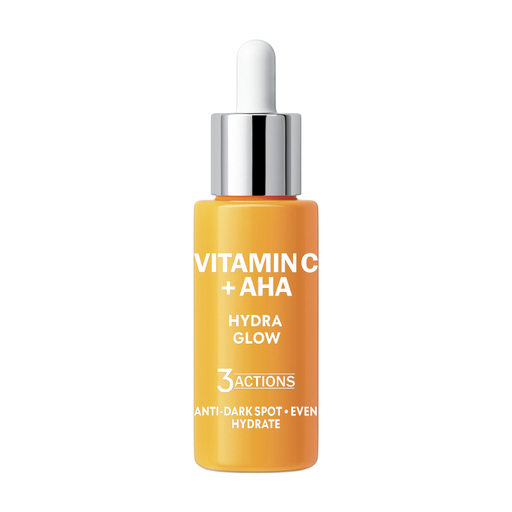
Why it fits: The 40 ml size gives you plenty of product to build a routine gradually. The product information lists vitamin C, AHA and niacinamide.
The ingredients and AHA warning are clearly stated. Use UV protection during the day and introduce the product gradually.
40 ml, niacinamide in the formula and, according to the product information, a vegan formula that has been dermatologically tested.
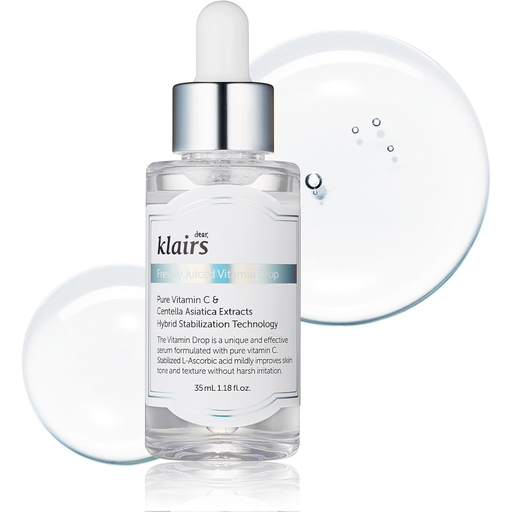
Why it fits: According to the product information, this South Korean formula contains 5% pure ascorbic acid and Centella asiatica.
The percentage of pure vitamin C is clearly stated. The manufacturer recommends a patch test and cool, dark storage.
35 ml, fragrance-free according to the product information and clear guidance for sensitive skin.
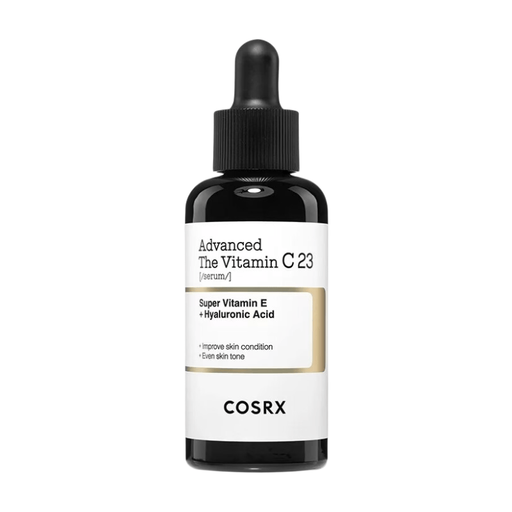
Why it fits: The formula lists 23% ascorbic acid and is intended for consumers considering a concentrated antioxidant serum.
The product information recommends patch testing, refrigeration and use within two months of opening. This makes the product more demanding to maintain.
23% pure vitamin C, 20 ml and complementary ingredients such as panthenol, squalane and hyaluronic acid.
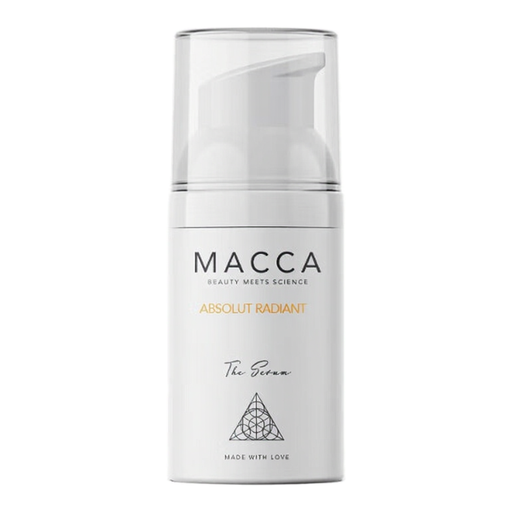
Why it fits: The product details list 6% vitamin C, pomegranate extract and suitability for all skin types.
The formula specifies its vitamin C content and contains several antioxidant ingredients. However, check for alcohol denat. if your skin is sensitive to it.
30 ml, 6% vitamin C and a stated shelf life of six months after opening.
Explore a current selection of vitamin C essences and compare formulas, sizes and user profiles before ordering.
That depends on the formula and your skin. For example, start by using a small amount every other day. Increase frequency only if your skin remains calm. Follow the directions for use and apply sunscreen during the day.
This varies from product to product. Check the period of use after opening and follow the storage recommendations. A formula that has changed colour significantly, altered noticeably or developed a different smell is best discarded. For, the product information recommends refrigeration and use within two months of opening; other serums may specify a longer period.
According to their product descriptions, some formulas are designed with sensitive skin in mind, including Dear, Klairs and Dr. Althea Gentle Vitamin C Serum. This is not a guarantee for every user. Check for fragrance, alcohol, essential oils, acids and the concentration. Patch testing and introducing the product gradually can reduce the likelihood of an unpleasant reaction.
