
Vandaag of morgen in huis

Kwaliteit gegarandeerd

Welkomstaanbiedingen ontgrendelen: GRATIS bezorging | Tot 80% korting | Gratis 30 dagen JoyPlus-proefperiode
Download de app
A vitamin C serum can be a valuable addition to a routine for dull skin, an uneven complexion or visible dark spots. However, comparing products fairly can be difficult. One brand may state the percentage of pure vitamin C, while another uses a derivative. Terms such as “glow”, “anti-aging” and “pigmentation correction” reveal little about the formula on their own.
As a Joybuy Product Recommendation Officer, I filter the most important product specifications out of the marketing language. This makes it easier to identify which features to check before purchasing and which vitamin C face serum best suits your skin and routine.
A pure vitamin C serum with a high concentration may seem appealing, but a powerful formula is not practical for everyone. Sensitive skin may experience stinging, redness or tightness. Do not focus solely on the percentage. Also consider the form of vitamin C and whether the formula contains alcohol, fragrance or exfoliating acids.
Products containing a vitamin C derivative, such as 3-O-Ethyl Ascorbic Acid or Ascorbyl Glucoside, are often a suitable alternative for anyone looking for a gentler formula. Any benefits claimed by a brand should be understood as marketing claims, not guaranteed results.
A serum for radiant-looking skin may primarily hydrate and temporarily leave the skin feeling smoother. A serum designed to target pigmentation may also contain ingredients such as niacinamide, tranexamic acid, arbutin or AHAs. Always check the full ingredients list and decide which goal matters most to you: hydration, evening out the complexion, improving texture or reducing dullness.
Also look out for conflicting product information. The OLAY Vitamin C Serum AHA + 99% Pure Niacinamide is described as fragrance-free in the product overview, while the listed ingredients include fragrance and fragrance components such as limonene and linalool. Always check the label on the product you receive.
Vitamin C can be sensitive to light, heat and air. A discoloured formula is not automatically unusable, but it may be a sign that you should check the packaging and expiry information. Close the bottle immediately after use and store it according to the brand’s instructions. For example, recommends storing its Vitamin C23 serum in the refrigerator and using it within two months of opening.
Ascorbic Acid is pure vitamin C. Other forms, such as 3-O-Ethyl Ascorbic Acid, Ascorbyl Glucoside and Ascorbyl Tetraisopalmitate, are vitamin C derivatives. A product containing pure vitamin C is not automatically the better choice; the right option depends on your skin, preferred frequency of use and tolerance.
For a first vitamin C serum, a lower concentration or a derivative may be easier to incorporate into your routine. If you are already accustomed to active ingredients, you may consider a higher concentration, but introduce it gradually.
A niacinamide serum or vitamin C formula containing niacinamide may be worth considering for an uneven complexion and oily or combination skin. AHAs such as lactic acid have an exfoliating effect according to the product description and require extra attention to sun protection. Salicylic acid is among the ingredients found in the L’Oréal Paris serum.
Do not combine several potent active ingredients right away. For example, avoid using a high-strength vitamin C product, retinol and exfoliating acids at the same time while you are still figuring out how your skin reacts.
A lightweight serum usually absorbs quickly, while a hydrating face serum containing glycerine, panthenol, hyaluronic acid or squalane may feel more comfortable on dry skin. Also compare 14, 20, 30 and 50 ml formats. A small bottle can be convenient for a short treatment course or travel, but it is not always the most cost-effective option per millilitre.
Always apply sunscreen during the day. Product information from several brands, including OLAY and, emphasises the importance of UV protection when using formulas containing vitamin C and acids. A serum is not a substitute for sunscreen.
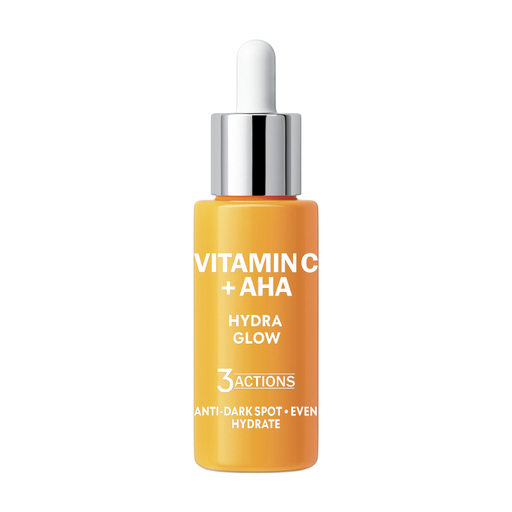
Why This Fits Their Persona: A 40 ml formula for anyone looking for a single face serum combining vitamin C, lactic acid, niacinamide and hydrating ingredients.
The ingredients list makes it clear that this is not a straightforward pure vitamin C serum, but a formula containing a vitamin C derivative and AHA. If you have sensitive skin, check the packaging for fragrance.
40 ml volume; the listed formula includes glycerine, panthenol and niacinamide; suitable for daily use according to the product information.
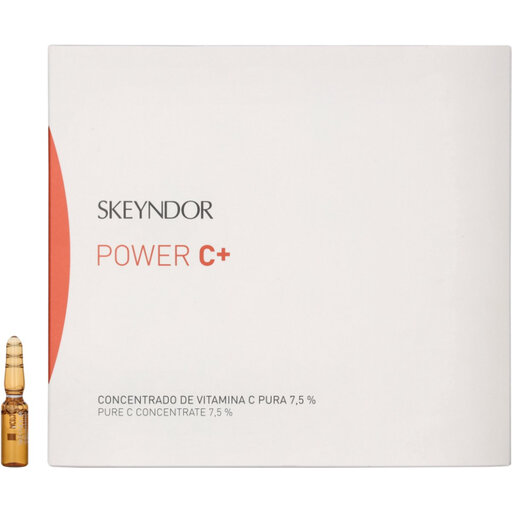
Why This Fits Their Persona: The 14 ml bottle suits a short, intensive routine or anyone who wants a compact format for travel.
The percentage of pure vitamin C is clearly stated. This makes it easier to compare the concentrate with serums that only refer to a “vitamin C complex”.
7.5% pure vitamin C; lightweight texture according to the product description; 14 ml bottle.
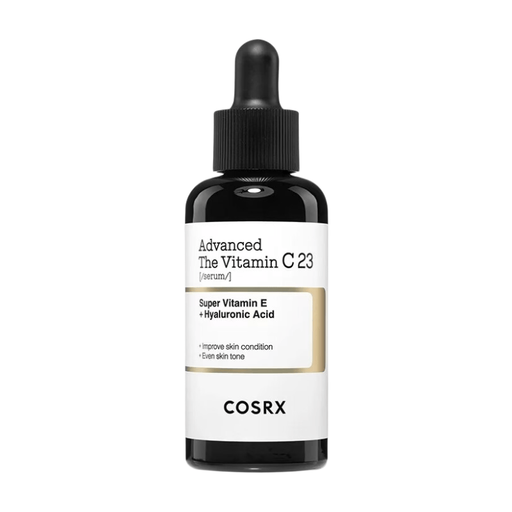
Why This Fits Their Persona: For users already familiar with active skincare who are looking for a serum containing 23% ascorbic acid.
The concentration is explicitly stated as 23% in the ingredients list. The instructions recommend a patch test, refrigeration and use within two months of opening.
23% ascorbic acid; 20 ml volume; also contains panthenol, squalane and hyaluronic acid.

Why This Fits Their Persona: The watery, non-sticky texture and combination of niacinamide, allantoin and sea buckthorn make it a good fit for a simple, gentle routine.
The product description states that it contains no fragrance or colourants. If you have allergies, still check the current ingredients list on the packaging.
30 ml volume; vegan according to the product information; contains niacinamide and allantoin.
Browse our current selection of vitamin C serums and compare concentrations, ingredients, volume and usage recommendations before placing your order.
A serum for dark spots also cannot work independently of daily UV protection. Do not expect identical results for every skin type; according to brands’ own research, results may vary depending on the individual and the duration of use.
It can be, but it is generally better to choose a low concentration or a vitamin C derivative and first test a small amount on a limited area of skin. If your skin is sensitive, avoid formulas combining fragrance, alcohol, AHA or salicylic acid until you know how your skin reacts.
Many formulas contain both ingredients, including some of the brightening serums in this selection. If you have sensitive skin, do not introduce several new products at the same time. This makes it easier to identify which product may be causing a reaction.
The exact shelf life is stated on the packaging. Also pay attention to the recommended period after opening, any change in colour and the storage instructions. Keep the bottle closed, cool and away from direct sunlight. Products with high concentrations may have a shorter recommended period of use after opening.
