
Vandaag of morgen in huis

Kwaliteit gegarandeerd

Welkomstaanbiedingen ontgrendelen: GRATIS bezorging | Tot 80% korting | Gratis 30 dagen JoyPlus-proefperiode
Download de app
A vitamin C serum can seem appealing thanks to promises of radiant skin, less visible pigmentation and a more even complexion. However, not every product containing “vitamin C” is the same. The form of vitamin C, its concentration, the packaging and the combination with acids all help determine whether a formula suits your skin and routine.
For adult women and men in the Netherlands, there are three common purchasing pitfalls:
Start by looking at the ingredients list, not just the front of the packaging. Ascorbic Acid is pure vitamin C. A formula with a clearly stated concentration, such as 23% ascorbic acid in Vitamin C23, is easier to compare than a product that simply claims to be “rich in vitamin C”.
A derivative such as 3-O-Ethyl Ascorbic Acid or Ascorbyl Glucoside may be worth considering if you are looking for a gentler brightening serum. For example, the product description for Dr. Althea Vitamin C Boosting Serum lists 3-O-Ethyl Ascorbic Acid, as well as niacinamide, tranexamic acid, panthenol and hyaluronic acid.
Please note: claims about reducing pigmentation or supporting collagen production are product claims made by the brand. According to the brand’s own research, results may vary depending on skin type, frequency of use and sun exposure.
A serum for pigmentation rarely contains vitamin C alone. Other ingredients can affect the texture, hydration and overall experience of using the product:
A vitamin C cream may be more practical than a serum if you want to keep your routine simple. A vitamin C toner or pad may suit anyone who prefers a lightweight layer after cleansing. Do not use several highly active products at the same time without checking the ingredients.
Pure vitamin C can oxidise after opening. A change in colour, smell or texture is a reason not to continue using the product without further consideration. Store a vitamin C serum according to the label, usually tightly closed, in a cool place and away from direct sunlight.
Vitamin C23 states a high concentration of 23% ascorbic acid, recommends a patch test before use and advises refrigerated storage. The product information recommends using the product within two months of opening for optimum product quality. This makes this type of serum less suitable if you only use skincare occasionally.
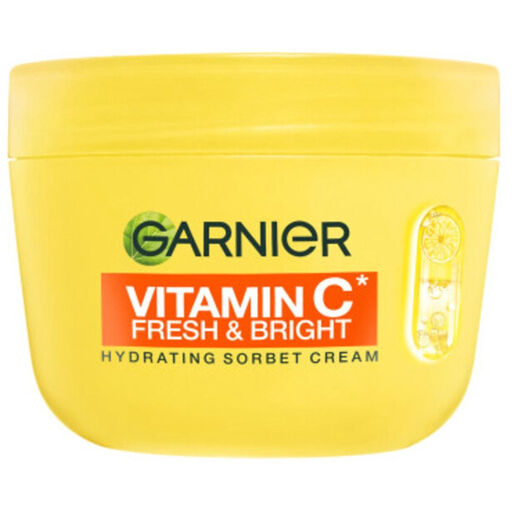
Why it suits this profile: A cream can be a simple first step for anyone who does not want to build an extensive routine. The formula contains niacinamide, glycerine and ascorbyl glucoside.
The ingredients list makes it clear that this is a vitamin C derivative rather than a product stating a high percentage of pure vitamin C. The formula also contains salicylic acid and fragrance, so check how well your skin tolerates them.
50 ml; cream formula; glycerine, niacinamide and ascorbyl glucoside are listed in the product information.
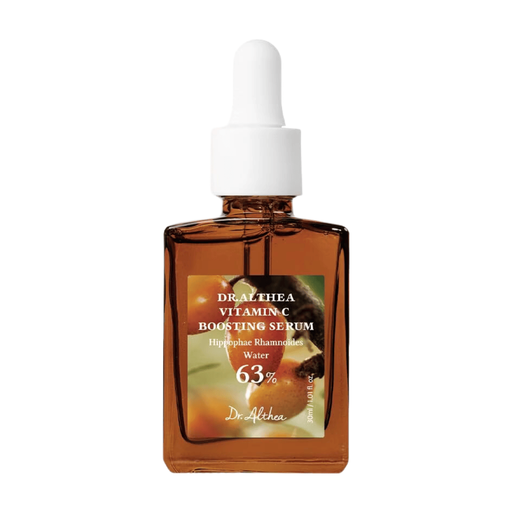
Why it suits this profile: Ideal for anyone looking for several supporting ingredients in one serum, such as niacinamide, tranexamic acid, ceramide NP and various forms of vitamin C.
The product information names specific ingredients rather than making only a general glow claim. However, check the complete packaging and carry out a patch test first if you have sensitive skin.
30 ml; 3-O-Ethyl Ascorbic Acid and ascorbic acid; contains panthenol, hyaluronic acid and ceramide NP, among other ingredients.
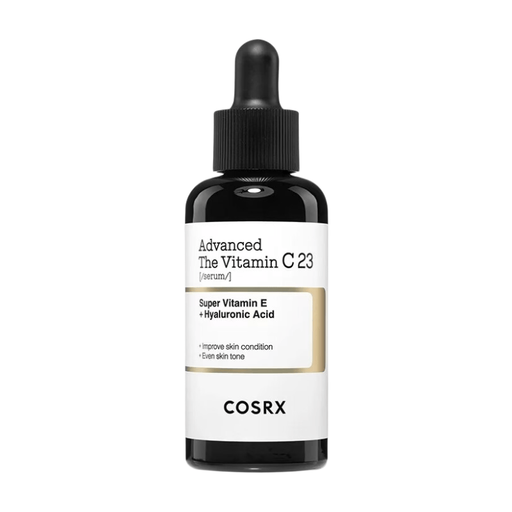
Why it suits this profile: Suitable for users who deliberately want a high concentration of pure vitamin C and are prepared to manage storage, shelf life and combinations with other active ingredients carefully.
The concentration of 23% ascorbic acid is clearly stated. The product warning mentions a patch test, refrigerated storage and caution when using retinol and other highly active ingredients.
23% pure vitamin C; 20 ml; also contains panthenol, squalane, sodium hyaluronate and vitamin E.
Start by cleansing, then use one vitamin C product. Follow with a moisturising cream. During the day, sun cream with suitable UV protection is important, particularly if your routine also contains AHA, BHA or salicylic acid. Vitamin C does not replace sun cream.
If you have sensitive or dry skin, starting two to three times a week is often easier to manage than using the product every day straight away. A serum for radiant skin does not have to sting to be suitable. Stop using it if you experience persistent redness, itching, swelling or a burning sensation, and consult a healthcare professional if in doubt.
Would you like to compare Korean vitamin C skincare? Pay just as much attention to the INCI list, product volume, storage and warnings as you would with European brands. A serum for an even complexion or skincare for dark spots is still a cosmetic product; results vary from person to person.
We have compiled a complete, up-to-date list of products that fully meet these strict selection criteria and the applicable European safety regulations.
Cleanse your face, apply a small amount of serum and follow with a moisturiser. Use sun cream during the day. Do not combine a strong vitamin C serum with retinol or several exfoliating acids without introducing them gradually.
This varies depending on the formula and packaging. Check the expiry date and the period after opening on the label. Keep the product away from direct sunlight and close the packaging immediately after use. For some formulas, such as Vitamin C23, refrigerated storage and limited use after opening are recommended.
It can be, but the concentration and formula make a difference. You may wish to choose a vitamin C derivative, avoid combining it with AHA or BHA at first and carry out a patch test. Also check for fragrance, citrus oils and any other ingredients you know your skin is sensitive to.
