
Vandaag of morgen in huis

Kwaliteit gegarandeerd

Welkomstaanbiedingen ontgrendelen: GRATIS bezorging | Tot 80% korting | Gratis 30 dagen JoyPlus-proefperiode
Download de app
A vitamin C serum can be a sensible addition to your routine if you have a dull complexion, visible dark spots or an uneven skin tone. However, not every brightening serum is the same. The concentration, type of vitamin C, packaging and combination with other active ingredients all determine how practical a product is to use.
Marketing copy often promises a “radiant complexion” or rapid reduction of pigmentation. Such results aren’t the same for everyone. According to a brand’s own research, certain effects may be reported, but that doesn’t automatically guarantee them for every user. So start by looking at verifiable product information.
A higher percentage of pure vitamin C sounds appealing, but it can be less comfortable for sensitive skin. Vitamin C23 contains 23% ascorbic acid according to the product information – a high concentration for which a patch test is recommended. A derivative, such as 3-O-Ethyl Ascorbic Acid or Ascorbyl Glucoside, can offer a different experience.
So the percentage isn’t the only factor. Also check the vitamin C form and the other ingredients.
A serum for pigmentation is sometimes combined with AHA, retinol or other exfoliating ingredients. That can make your routine unnecessarily complicated. OLAY combines vitamin C with AHA and niacinamide. According to the product information, AHA can increase sensitivity to sunlight; daily use of sun protection is therefore recommended.
Don’t use several intensive active products at once if you don’t yet know how your skin will react.
Pure vitamin C is sensitive to light, air and heat. advises storing the serum in a cool place according to the product information and using it within two months of opening. For other products, the shelf life and period after opening are stated on the packaging.
A discoloured, differently smelling or significantly changed formula is no reason to carry on using it. Store the product as instructed on the label and close the packaging immediately after use.
Look out for terms like these in the ingredients list:
A serum for an even skin tone doesn’t always have to contain pure vitamin C. Choose the formula that suits your tolerance, goal and daily routine.
A niacinamide serum or vitamin C formula with niacinamide can be interesting if you want to combine clarity and an even appearance with hydration. Glycerin, panthenol, hyaluronic acid and centella asiatica are ingredients found in various products that contribute to a more comfortable skin feel.
For dry skin, a hydrating face serum or a moisturiser afterwards may be more pleasant. Oily or combination skin, on the other hand, can benefit from a light, fast-absorbing texture. Also check for fragrance, essential oils and alcohol if your skin is sensitive to them.
A dark or airtight packaging helps protect the formula from light, but always follow the manufacturer’s storage instructions. Apply a serum generally after cleansing and, if you use one, toning, followed by a moisturiser.
Use sun protection during the day. This is especially relevant if your routine contains AHA, vitamin C or other active ingredients. A serum for dark spots does not replace SPF and is not a treatment for a medical skin condition.
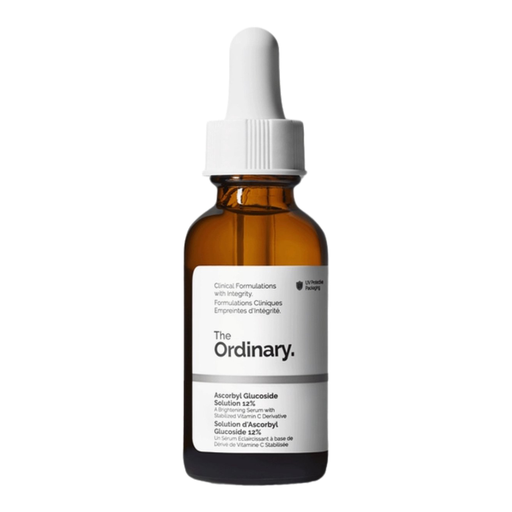
Why this fits the profile: The watery formula with 12% Ascorbyl Glucoside is straightforward for anyone trying a vitamin C serum for the first time and wanting a light texture.
The vitamin C form and concentration are clearly stated. According to the product information, the formula contains no alcohol, fragrance, oil or silicones.
30 ml; light texture; suitable for all skin types according to the product information.

Why this fits the profile: If comfort is your priority, you get a watery, non-sticky texture with niacinamide, allantoin and vitamin C.
The product information states no fragrance or colourants. That makes the ingredients list easier to assess for sensitive skin.
Vegan formula according to the product information; hydrating, light texture; 30 ml.
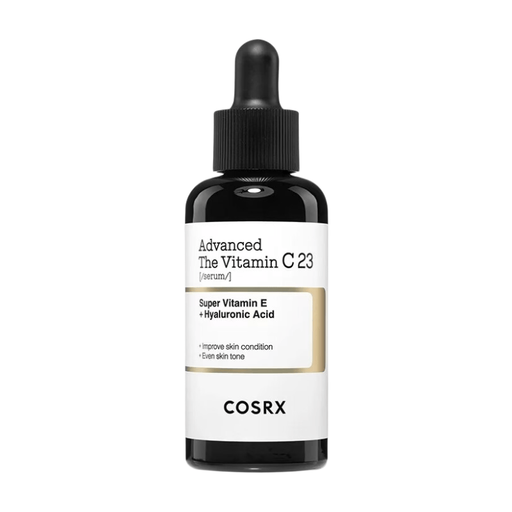
Why this fits the profile: This option is designed for users who deliberately choose a high concentration of pure vitamin C and are willing to follow storage and usage instructions carefully.
The product information gives a specific storage instruction: keep refrigerated and use preferably within two months of opening.
23% ascorbic acid; 20 ml; also contains panthenol, squalane and sodium hyaluronate.
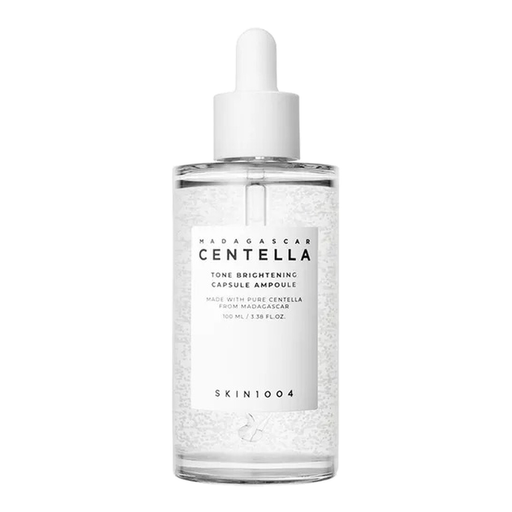
Why this fits the profile: The generous size and fast-absorbing ampoule suit anyone who wants to apply a light layer under moisturiser every day.
The ingredients list includes niacinamide, tranexamic acid, madecassoside and 3-O-Ethyl Ascorbic Acid, so you can compare the formula directly.
100 ml; centella asiatica extract; light texture according to the product description.
We’ve put together a full, up-to-date list of products that fully meet these strict selection criteria and comply with current European safety regulations.
A serum for a radiant complexion isn’t a one-off solution. After a few weeks, check whether the texture, scent and tolerance are still good, and assess your skin in the same light.
That depends on the formula and concentration. A derivative or lower concentration can be more practical than a serum with a high percentage of pure vitamin C. Choose a formula without ingredients you’ve reacted to before, and carry out a patch test.
Many products already contain both ingredients, such as several brightening serums in this range. However, check the full formula and don’t add AHA, retinol and other strong active products at the same time if your skin isn’t used to them.
This varies by product. Check the expiry date and the period after opening on the packaging. Some formulas require cool, dark storage. Don’t keep a serum in direct sunlight and close the cap tightly after every use.
