
Vandaag of morgen in huis

Kwaliteit gegarandeerd

Welkomstaanbiedingen ontgrendelen: GRATIS bezorging | Tot 80% korting | Gratis 30 dagen JoyPlus-proefperiode
Download de app
A vitamin C serum may seem straightforward to choose at first. However, serums can vary considerably in the type of vitamin C they contain, their concentration, packaging and supporting ingredients. If you focus only on words such as “glow”, “brightening” or “anti-ageing”, you could end up buying a product that doesn’t suit your skincare routine.
If you’re concerned about dark spots, acne scars or an uneven skin tone, there are three common pitfalls to watch out for:
Check the full ingredients list. Common forms include:
A formula with pure vitamin C may appeal if you already have experience with active skincare. If you’re new to it or have sensitive skin, you may prefer to start with a lower percentage or a derivative. Also check for other active ingredients, such as salicylic acid, AHAs, niacinamide or tranexamic acid. Combining several active ingredients can make your routine more complicated.
A brightening serum doesn’t have to contain vitamin C alone. Ingredients such as niacinamide, tranexamic acid, alpha-arbutin, kojic acid and azelaic acid are also used in serums for a more even-looking complexion.
In particular, check for:
A brand’s product description may say that a serum is suitable for sensitive skin. Even if the brand says so, it’s still wise to check the ingredients list and test a small amount first.
Vitamin C can be sensitive to light, air and heat. Choose packaging that seals well, and store the serum as directed on the label, usually somewhere cool and away from direct sunlight. Check the expiry date and the product’s shelf life after opening.
When trying a new serum for dull skin, don’t automatically start using it every day. Apply a small amount two or three times a week to begin with. Follow with a hydrating face serum or cream. During the day, finish with sunscreen with an appropriate SPF.
At first, it’s best not to use several potent products at once, such as vitamin C, retinoids, AHAs and salicylic acid. Stop using the product if you experience persistent redness, itching, swelling or a burning sensation, and consult a doctor if needed.
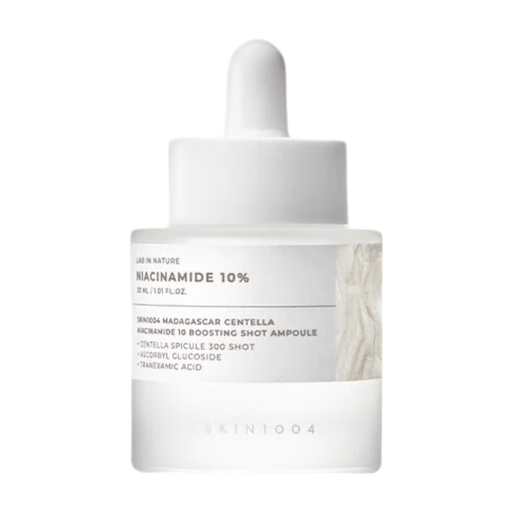
Why it suits this profile: The small size lets you try an active formula in limited amounts before committing to a larger bottle.
The ingredients list includes niacinamide, ascorbyl glucoside and tranexamic acid. This makes it clear which brightening ingredients the formula contains, rather than relying on a vague glow promise.
9 ml size, centella asiatica, panthenol and madecassoside. The product information recommends building up use from two or three times a week.

Why it suits this profile: This is a good option if you’re specifically looking for a stated concentration of pure vitamin C and can introduce it carefully into your routine.
The formula specifies 12% pure vitamin C and also lists vitamin E and salicylic acid. This means you can compare its ingredients, rather than relying on advertising claims alone.
30 ml size, pump packaging and an oil-free formula. Note: the product information lists alcohol, fragrance and salicylic acid.
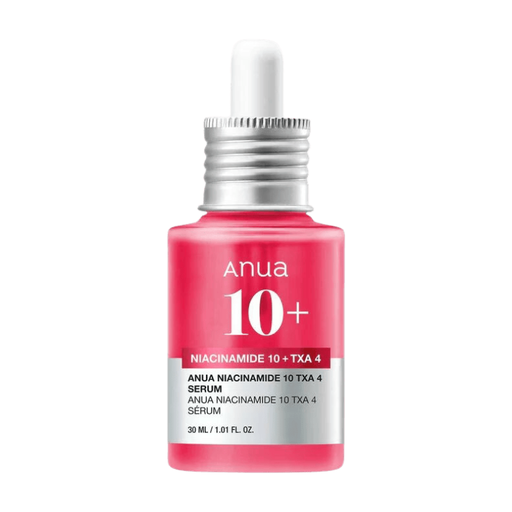
Why it suits this profile: If you’re specifically looking for a serum for dark spots and are already used to active ingredients, this product offers a clearly stated combination.
The product variant lists 10% niacinamide and 4% tranexamic acid. Alpha-arbutin, hyaluronic acid and ceramide are also included in the ingredients list.
30 ml, pump bottle, fragrance-free and alcohol-free according to the product specifications. The formula contains several hydrating forms of hyaluronic acid.

Why it suits this profile: The light, watery texture and stated combination of vitamin C, niacinamide and allantoin make it a good fit for a simple, fragrance-free routine.
The product description says it contains no fragrance or colourants. Check the label when it arrives, especially if you have any known allergies.
Vegan formula according to the product information, fragrance-free and with a hydrating texture. Easy to introduce gradually into a Korean skincare serum routine.
We’ve put together a complete, up-to-date list of products that meet these strict selection criteria and current European safety regulations.
Cleanse your face and apply toner if you use one. Then apply a few drops of serum to dry or slightly damp skin, depending on the instructions on the label. Finish with a moisturiser. Always use sunscreen during the day. If you’re trying a new formula, start by using it less frequently.
According to brand product information, a serum may be intended for an uneven skin tone, dark spots or dull skin. Results vary depending on your skin and routine. Daily UV protection remains important. If you have noticeable or changing spots, it’s better to have them assessed by a doctor than to keep combining products yourself.
Check the expiry date and shelf life after opening on the packaging. Keep the product tightly closed, somewhere cool and away from direct sunlight. A change in colour, smell or texture may be a reason to stop using the formula. Always follow the manufacturer’s instructions.
