
Vandaag of morgen in huis

Kwaliteit gegarandeerd

Welkomstaanbiedingen ontgrendelen: GRATIS bezorging | Tot 80% korting | Gratis 30 dagen JoyPlus-proefperiode
Download de app
A vitamin C serum can be appealing if your skin looks dull, you want your complexion to appear more even or you are looking for a simple antioxidant to add to your routine. However, a striking percentage on the packaging does not tell you everything. The form of vitamin C, the combination with other ingredients and how you store the product all help determine whether it is right for you.
There is also an important difference between vitamin C skincare and a vitamin C supplement. A serum is intended for external use on the skin. A tablet, such as Lucovitaal Super Vitamin C, is a food supplement and is not a substitute for a varied diet.
A higher concentration may sound convincing, but it can be less comfortable for sensitive skin. What is more, products are not always directly comparable: one serum may use pure ascorbic acid, while another uses a derivative such as ascorbyl glucoside or 3-O-ethyl ascorbic acid.
One example is Vitamin C23 Anti aging serum. The product information states 23% ascorbic acid and recommends a patch test, cool storage and use within two months of opening. This makes it an intensive option, but not automatically suitable for every user.
Words such as “glow”, “anti-ageing” and “for pigmentation” usually describe a product’s purpose or positioning. They are not a guarantee of a particular result. According to Olay’s own research, as stated in the product description, skin may appear more radiant after one day and the complexion may look more even after fourteen days. This is a brand claim and should not be regarded as a guaranteed result for every skin type.
So pay particular attention to information that can be checked:
Vitamin C is not a substitute for sun cream. For some formulas containing vitamin C, AHA or other active ingredients, the product information advises using sun protection during the day. This applies, for example, to Olay Vitamin C Serum AHA and products containing pure ascorbic acid.
So it is best to use a brightening serum alongside an SPF that suits your daily routine. Stop using the product if irritation, redness or itching persists, and ask a doctor or pharmacist for advice if you are unsure.
Pure vitamin C is usually listed as ascorbic acid in ingredient lists. Derivative forms include:
A derivative form may be worth considering if you are looking for a lighter or generally gentler formula. Also look at the overall composition: a vitamin C facial serum may contain glycerine, panthenol, hyaluronic acid, vitamin E or niacinamide as well.
A niacinamide serum often focuses on sebum, visible pores and uneven skin texture. Some vitamin C products combine both ingredients. According to the product information, the Medicube Deep Vita C Capsule Cream contains 5% niacinamide, sea buckthorn extract and several forms of vitamin C.
For dry skin, glycerine, panthenol, sodium hyaluronate and oils are relevant ingredients to look out for. Oily or blemish-prone skin may benefit from a thinner, fast-absorbing texture instead. According to the product description, Niacinamide 15 Serum is intended for oily, combination or blemish-prone skin and contains niacinamide, acetyl glucosamine and zinc PCA.
Be careful when using several active products at the same time. A formula containing AHA, such as Olay Vitamin C Serum AHA, may feel more intense. Do not simply use retinol, exfoliating acids and a highly concentrated serum together.
Vitamin C can oxidise over time. Therefore, check the shelf-life information on the packaging, close the bottle securely and store the product away from direct sunlight. Dark or airtight packaging is practical, but always follow the manufacturer’s specific storage advice.
When using a serum for pigmentation, regular use is more important than a complicated routine. You could start by applying a small amount every other day and only increase usage if your skin tolerates the product well.
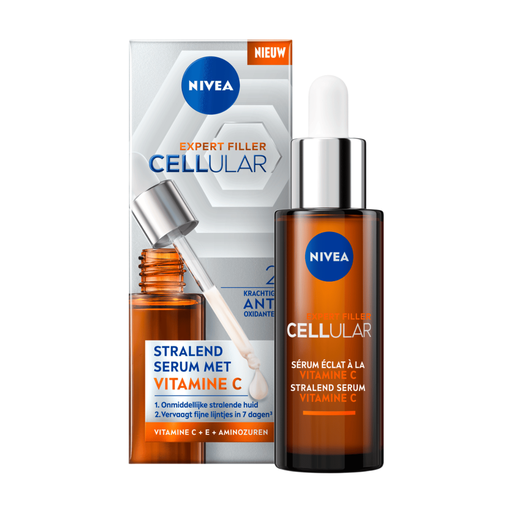
Why it suits this profile: The lightweight 30 ml formula combines vitamin C, vitamin E and amino acids. According to the product information, the serum is suitable for all skin types, including sensitive skin.
The product information states which form is used, ascorbyl glucoside, and provides clear usage and safety instructions. This allows you to compare products based on their formulation rather than marketing language alone.
Vitamin C and E, amino acids, 30 ml content and a lightweight texture. However, the product contains alcohol, fragrance and citrus oil, so check the ingredients if you have sensitive skin.
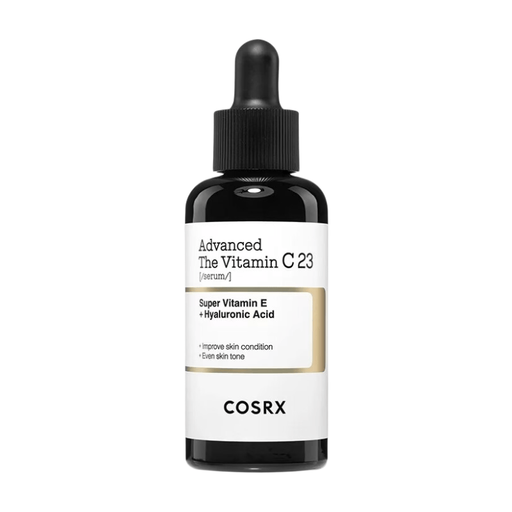
Why it suits this profile: This compact serum is aimed at users who deliberately seek a high concentration of pure vitamin C and are prepared to take extra care with storage and gradually introducing it.
The product description states the 23% concentration, recommends a patch test and advises cool storage. This makes the key considerations clear from the outset.
23% ascorbic acid, panthenol, squalane and sodium hyaluronate. The manufacturer recommends using it within two months of opening.
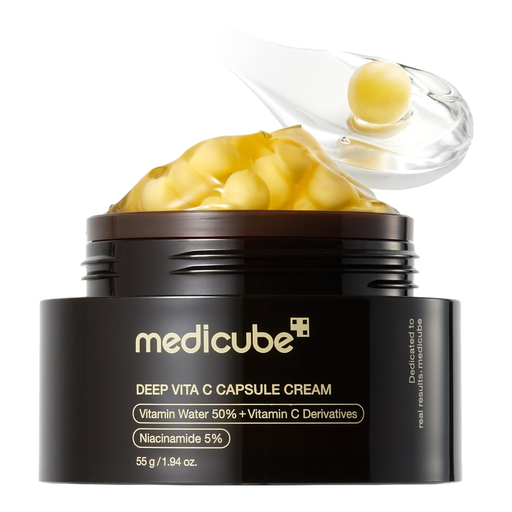
Why it suits this profile: The two components allow you to adjust the balance between gel and capsule. This suits users who want to tailor the texture and moisturising feel to their skin type.
The product description mentions a capsule formula and recommends mixing the two components before use. However, check the full INCI list, as the product contains fragrance.
55 g content, 5% niacinamide, sea buckthorn extract and several forms of vitamin C. According to the list, the gel component also contains ferulic acid and sodium hyaluronate.

Why it suits this profile: The product information describes a watery, non-sticky formula without fragrances or colourings, containing niacinamide, allantoin and sea buckthorn extract.
The formula focuses on a gentle texture and a short list of stated active ingredients. Still, carry out a patch test, as every skin type can react differently.
Vegan according to the product description, fragrance-free, free from colourings and formulated to hydrate. Suitable for anyone who prefers a lightweight serum texture.
A vitamin C serum and a supplement serve different purposes. According to the label, Lucovitaal Super Vitamin C contains 1000 mg of vitamin C per tablet, 100 tablets and 40 mg of rosehip. The recommended intake is one tablet per day with water. This product is intended as a food supplement for adults.
Dagravit Multi+ contains vitamin C as part of a broader multivitamin formula. If you are specifically looking for a supplement, do not focus only on the number of milligrams. Also check the full composition, recommended daily dose and warnings on the label. Do not exceed the recommended dose.
We have put together a complete, up-to-date list of products that fully meet these strict selection criteria and the applicable European safety requirements.
Apply a few drops to a cleansed face, usually before moisturiser. Follow the instructions on the label, start gradually and use sun protection during the day. Avoid direct contact with the eyes.
This varies from product to product. Check the expiry date and the period after opening. Store the serum in a cool place away from direct sunlight if the manufacturer advises this. It is best not to use a formula that has changed colour, developed a noticeably different smell or causes irritation.
This can work in some routines, as both ingredients are found together in different formulas. However, introduce new products one at a time. If you have sensitive skin, it is sensible to carry out a patch test first and avoid using several strong active ingredients at the same time.
