
Vandaag of morgen in huis

Kwaliteit gegarandeerd

Welkomstaanbiedingen ontgrendelen: GRATIS bezorging | Tot 80% korting | Gratis 30 dagen JoyPlus-proefperiode
Download de app
A vitamin C serum can be appealing if your skin looks dull, your complexion seems uneven or dark spots are becoming more noticeable. However, not every brightening serum is the same. The difference is not just in the name on the packaging, but mainly in the form of vitamin C used, the concentration, the shelf life and the rest of the formula.
As a Joybuy Product Recommendation Officer, I filter product information based on practical details. This helps you avoid paying mainly for marketing terms and choose a vitamin C facial serum that suits your skin type and routine.
Pure vitamin C, usually listed as Ascorbic Acid, can be potent but may also cause irritation more quickly. According to the ingredients list, a product such as Vitamin C23 contains 23% ascorbic acid. This specification is mainly relevant for experienced users; if you have sensitive skin, it is wise to introduce it gradually.
Other serums use more stable derivatives, such as 3-O-Ethyl Ascorbic Acid, Ascorbyl Glucoside or Sodium Ascorbyl Phosphate. These variants may feel gentler, but their performance and user experience vary from one formula to another.
According to the product description, a serum for dark spots may help reduce the visibility of an uneven complexion or dark patches. This does not guarantee a particular result. Pigmentation can have various causes and often requires consistent use as well as daily protection against UV radiation.
Claims such as “visible results immediately” or “cell renewal” should also be understood as brand claims. According to its own research, for example, Origins reported that 88% of participants noticed more radiant-looking skin. This result comes from the brand’s own study and does not automatically apply to every user.
Vitamin C can be sensitive to light, heat and air. Pay attention to the packaging, storage instructions and shelf life after opening. advises storing the Vitamin C23 serum in the fridge after opening and using it within two months. This requires more discipline than a serum you can simply keep in a dark bathroom cupboard.
A formula that has changed colour, developed a different scent or acquired another texture may be a reason to stop using the product. Always check the packaging and the latest usage instructions.
Look for the exact form of vitamin C in the ingredients list:
Do not just look for the words “vitamin C”; also check where the ingredient appears in the INCI list. The complete ingredients list on the packaging you receive is the definitive reference.
A watery or gel-like brightening facial serum often works well under a moisturiser and sun cream. This can be particularly pleasant for oily or combination skin. A formula containing glycerine, panthenol, hyaluronic acid or ceramides may be more appealing when your skin feels dry.
Examples include Beauty of Joseon Light On Serum with glycerine and hyaluronic acid, and Numbuzin No.5 Vitamin Concentrated Serum, which contains panthenol, ceramide NP and sodium hyaluronate, among other ingredients. A cream such as Medicube Deep Vita C Capsule Cream may be more convenient if you want fewer steps in your evening routine.
A niacinamide serum combines vitamin B3 with a brightening routine. Some products also contain tranexamic acid, alpha-arbutin, acids or retinol-like skincare claims. More active ingredients do not automatically make a better product.
Take extra care with AHA, BHA, fragrance and essential oils. Garnier SkinActive Vitamin C Fresh & Bright Sorbet Cream, for example, lists salicylic acid, perfume and fragrance ingredients. According to the product information, OLAY Vitamin C Serum contains lactic acid and recommends daily UV protection. It is best not to combine several strong products all at once.
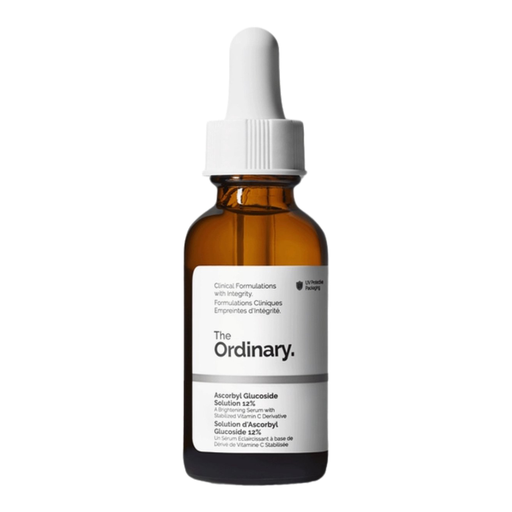
Why it suits this profile: The water-based formula, 30 ml size and clearly stated percentage make this a straightforward choice for anyone looking for their first brightening serum.
The product name states the form and concentration of vitamin C used. This means you do not have to rely solely on the word “glow”.
12% Ascorbyl Glucoside, lightweight formula, alcohol- and fragrance-free according to the product information.
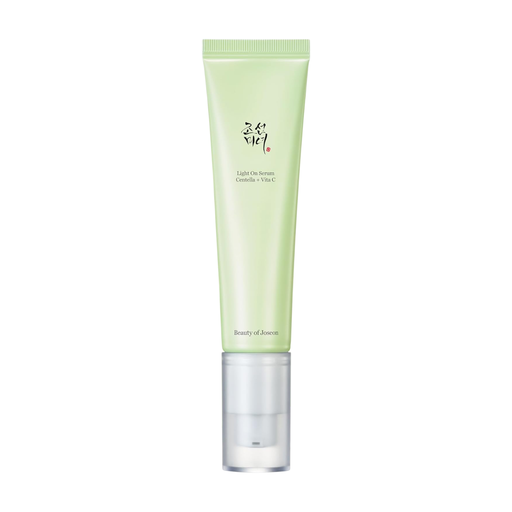
Why it suits this profile: This Korean skincare serum combines vitamin C with centella and hydrating ingredients for an everyday routine.
Alongside 3-O-Ethyl Ascorbic Acid, the formula contains glycerine and sodium hyaluronate. This makes the composition more transparent than a general “anti-ageing serum” claim.
30 ml, vitamin C derivative, centella and hydrating ingredients; according to the product information, suitable for normal, dry and combination skin.
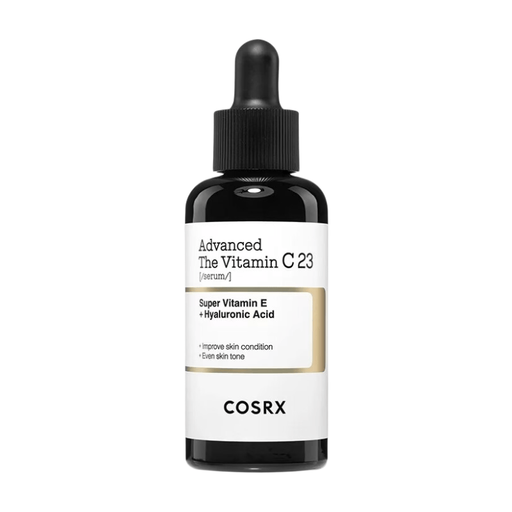
Why it suits this profile: This serum is aimed at users who deliberately choose a high concentration of pure vitamin C and can follow the additional storage instructions.
The 23% concentration is clearly stated. Refrigerated storage and the limited period of use after opening make the shelf life clear.
23% Ascorbic Acid, 20 ml size, with panthenol, squalane and sodium hyaluronate in the ingredients list.

Why it suits this profile: The manufacturer positions this as a gentle option with a watery, non-sticky texture and no fragrance or colourants.
According to the product description, the formula avoids fragrance and colourants. Nevertheless, test the product on a small area of skin first.
30 ml, niacinamide, allantoin and sea buckthorn fruit extract; vegan according to the product information.
We have compiled a complete, up-to-date list of products that fully meet these strict selection criteria and the applicable European safety regulations.
Carry out a patch test when using a new formula. Stop if you experience persistent redness, itching, swelling or a burning sensation, and follow the safety information on the packaging.
That depends on the form and concentration of vitamin C, as well as how your skin reacts. According to the product description, some products are intended for daily use, but if you have sensitive skin, it is wiser to build up gradually. Always follow the label.
Shelf life varies from one formula to another. Check the expiry date and the recommended period after opening. Store serums that are sensitive to light and heat according to the instructions. For Vitamin C23, refrigerated storage and use within two months of opening are specified.
Niacinamide and vitamin C are found together in several formulas, including some of the products mentioned above. With separate products, combining them is often possible, but introduce new active ingredients one at a time. If irritation occurs, reduce the frequency of use or stop using one of the products.
