
Vandaag of morgen in huis

Kwaliteit gegarandeerd

Welkomstaanbiedingen ontgrendelen: GRATIS bezorging | Tot 80% korting | Gratis 30 dagen JoyPlus-proefperiode
Download de app
Dull skin, dark spots, or the first fine lines? Chances are you've considered a vitamin C serum. This type of face serum is often touted as the solution for radiant skin. But the reality is that many products don't deliver on their promises. As a Joybuy Product Recommendation Officer, I'll help you see through the marketing claims so you can choose a serum that truly works for you.
Before you invest in a new bottle, it's important to recognise the most common pitfalls that lead to a disappointing purchase.
To avoid these pitfalls, it helps to know what to look for. Look beyond the front of the packaging and focus on these three objective criteria.
Not all vitamin C is created equal. The choice of a specific form determines the stability, effectiveness, and how gentle the product is on your skin.
A well-formulated serum is more than just vitamin C. Combining it with other active ingredients can enhance its effects and tackle multiple skin concerns at once.
As mentioned earlier, packaging is crucial for the shelf life of your vitamin C serum. Always choose:
Based on formula, packaging, and target audience, we've highlighted a few popular choices that suit different needs.
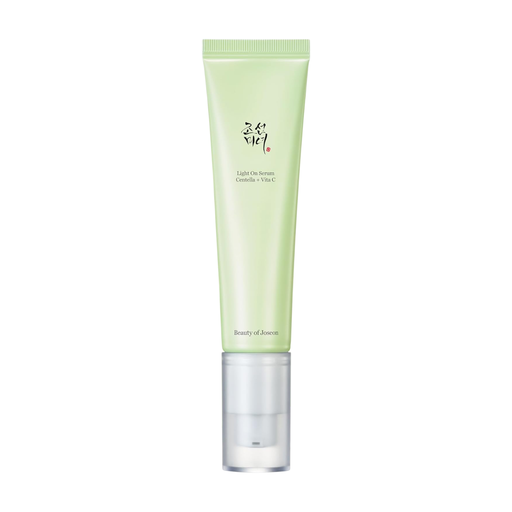
Why This Fits Their Persona: Perfect for those new to active ingredients. This Korean skincare serum combines vitamin C with calming Centella Asiatica, minimising the risk of irritation. Ideal for sensitive skin looking to tackle a dull complexion.
It uses a stable vitamin C derivative (3-O-Ethyl Ascorbic Acid) and the addition of Centella helps keep the skin calm, thus avoiding the pitfall of irritation.
Combines brightening with soothing. The formula is lightweight, absorbs quickly, and is free of essential oils, making it suitable for most skin types.
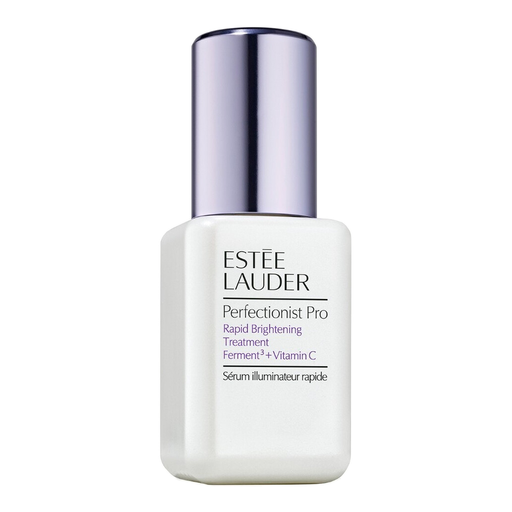
Why This Fits Their Persona: For those seeking a powerful serum for dark spots and willing to invest in an advanced formula. This serum specifically targets the reduction of dark spots and an uneven skin tone.
This is more than a simple vitamin C serum. It combines vitamin C with a proprietary ferment complex and hyaluronic acid, thus bypassing the pitfall of a one-dimensional formula.
The formula is designed for a multi-pronged approach to discolouration. According to Estée Lauder, it provides 48-hour hydration and is packaged in a recyclable glass bottle.
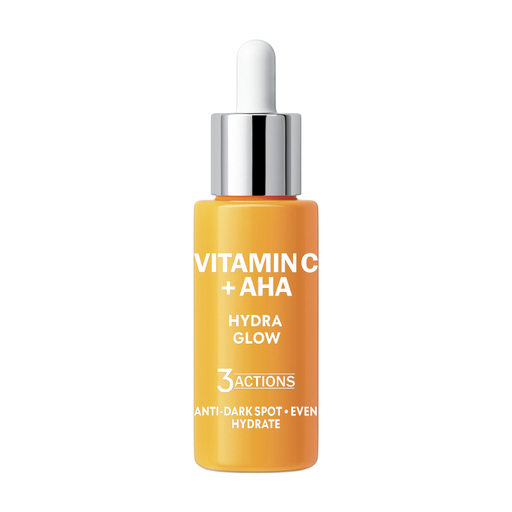
Why This Fits Their Persona: For those looking for an all-in-one solution. This serum combines three powerful ingredients: vitamin C for radiant skin, AHA (lactic acid) for gentle exfoliation, and niacinamide for a more even skin texture and hydration.
By combining multiple active ingredients, it addresses various skin concerns simultaneously. This avoids the pitfall of a formula that is too limited or one-dimensional.
A smart 3-in-1 formula for brightening, exfoliation, and hydration. The packaging with a dropper is made of dark glass to protect the contents from light.
We've compiled a complete, up-to-date list of products that meet these strict selection criteria.
Yes, most vitamin C serums are designed for daily use. It is typically recommended to apply it in the morning to cleansed skin, before your moisturiser and sunscreen. If you have very sensitive skin or are using a product with a high concentration of L-ascorbic acid, you can start with every other day to allow your skin to acclimate.
Absolutely. Vitamin C is an antioxidant that can boost the protection from your sunscreen, but it is not a replacement for it. In fact, some serums also contain acids (like AHA) that can make the skin more sensitive to the sun. Daily use of a broad-spectrum sunscreen with at least SPF 30 is essential to protect your skin and maximise the benefits of your anti-aging serum.
Skincare requires patience. While some serums may provide an immediate glow due to hydrating ingredients, it generally takes 4 to 12 weeks of consistent daily use before you can observe a visible improvement in skin tone, texture, and the reduction of dark spots. Consistency is the key to success.
