
Vandaag of morgen in huis

Kwaliteit gegarandeerd

Welkomstaanbiedingen ontgrendelen: GRATIS bezorging | Tot 80% korting | Gratis 30 dagen JoyPlus-proefperiode
Download de app
A dull complexion, visible pigmentation or fine lines may be a reason to add a vitamin C serum to your routine. However, choosing a product based solely on a high percentage or a striking claim on the packaging is not advisable. The form of vitamin C, the other ingredients and the product’s shelf life all help determine whether a serum is a comfortable fit for your skin.
As a Joybuy Product Recommendation Officer, I filter the most important product information so you can compare marketing claims with verifiable specifications. Below, you’ll learn what to look for in a vitamin C face serum, which type of formula may suit your skin and which popular options are worth considering.
A serum containing 20% or 23% vitamin C may sound appealing, but a high concentration can be less comfortable for some skin types. It also matters whether the product contains pure ascorbic acid or a more stable vitamin C derivative, such as 3-O-ethyl ascorbic acid, ascorbyl glucoside or ascorbyl tetraisopalmitate.
Pure vitamin C is often chosen for a concentrated routine. Derivatives are a more accessible alternative for many users, but they may feel different on the skin and require a different formulation approach. So, do not compare percentages between different forms of vitamin C without considering the type being used.
Terms such as “glow”, “anti-aging” and “anti-pigmentation” often describe a cosmetic goal. They do not guarantee a specific result. According to OLAY’s own research, for example, the reported user results were based on a study involving more than 100 women; those findings do not automatically apply to every user.
A serum for pigmentation may help support a more even-looking complexion, but pigmentation can have various causes. If skin spots persist or change, seeking advice from a doctor or dermatologist is more appropriate than continually switching serums.
Vitamin C can be sensitive to light, heat and air. Always check the shelf-life information on the packaging, the period after opening and the storage instructions. Vitamin C23, for example, is recommended to be stored in a refrigerator and used within two months of opening. This is a product-specific instruction and does not automatically apply to every antioxidant serum.
It is best not to continue using a formula that has discoloured, developed a significantly different smell or visibly changed in texture. Close the bottle securely after use and store it according to the label.
Check the ingredient list rather than relying only on the front of the packaging. Here are a few examples:
A percentage is only meaningful when you know what it refers to. Medicube, for example, lists 145,000 ppm ascorbic acid, equivalent to 14.5%. lists 23% ascorbic acid. SOME BY MI lists 30,000 ppm, or 3% pure vitamin C, combined with galactomyces.
A brightening serum often contains more than just vitamin C. Look for ingredients that align with your skin goals:
If you have sensitive skin, also check for alcohol, fragrance and essential oils. “Suitable for all skin types” is a product statement made by the brand, not a guarantee that everyone will tolerate the formula without problems.
A 14 ml serum supplied in ampoules is used differently from a 30 or 50 ml bottle. Skeyndor Power C+ Pure Vitamin C Concentrate contains 14 ml and, according to the product information, is intended as an intensive treatment consisting of 14 ampoules. A 50 ml product, such as iUNIK Propolis Vitamin Synergy Serum, may be more practical if you use a larger amount each time.
When trying a new product, start with a small amount and test it first on a limited area of skin. Avoid contact with the eyes and do not apply serum to damaged or irritated skin. Always apply broad-spectrum sunscreen during the day; vitamin C is not a substitute for sun protection.
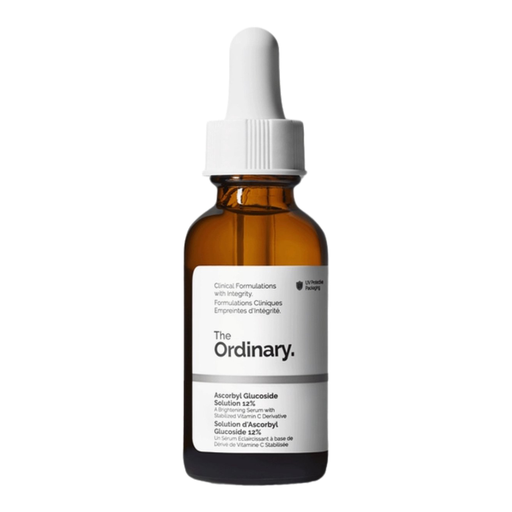
Why it’s a good fit: a lightweight, water-based 30 ml formula for anyone who wants to ease into a brightening serum without an oily texture.
The product information clearly states 12% ascorbyl glucoside rather than relying solely on a general glow claim.
According to the product details, the serum is free from alcohol, oil, fragrance and silicones.
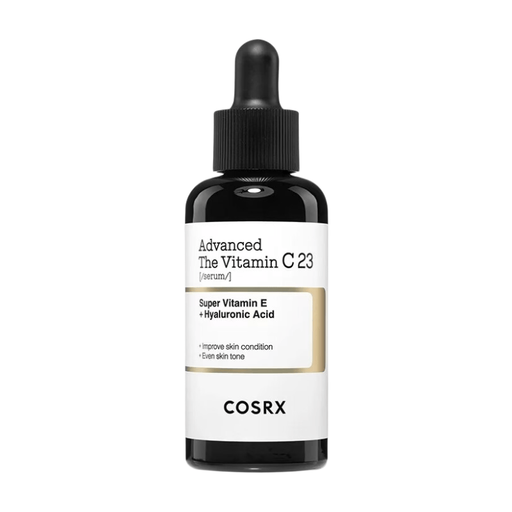
Why it’s a good fit: for users who deliberately choose a high concentration of pure vitamin C and are prepared to store it carefully.
The percentage is stated clearly: 23% ascorbic acid. The packaging also provides specific storage and usage instructions.
Also contains panthenol, squalane, sodium hyaluronate and vitamin E, among other ingredients.
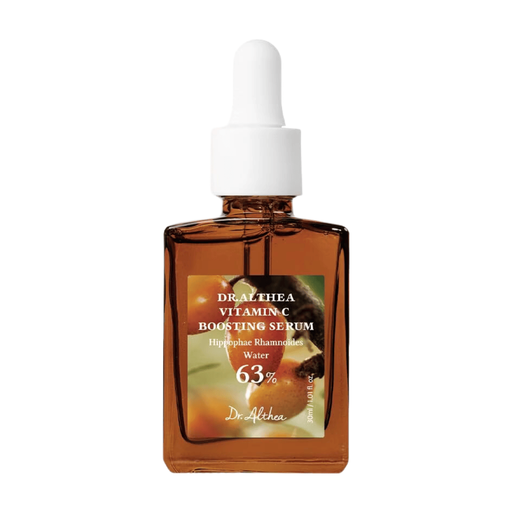
Why it’s a good fit: the product description highlights a lightweight, non-sticky texture without fragrance or colourants.
Rather than choosing a high percentage blindly, you first check the texture and confirm that the formula is free from fragrance and colourants.
According to the product information, it contains niacinamide, allantoin and sea buckthorn extract, and is vegan.
Browse a current selection of vitamin C serums and compare concentration, ingredients, volume and usage instructions before placing your order.
If you experience a burning sensation, itching, swelling or persistent redness, stop using the product. A patch test is particularly worthwhile if you have sensitive skin or are using a concentrated serum.
That depends on the formula and your skin. A mild serum containing a vitamin C derivative may be suitable for daily use according to the label. With pure vitamin C or a formula combined with AHA, it is advisable to introduce the product more gradually. Always follow the manufacturer’s usage instructions.
Check the use-by date and the period after opening, such as 6M or 12M. Some formulas include additional instructions, such as refrigeration or use within two months of opening. Light, heat and air can cause the formula to change more quickly.
Niacinamide and vitamin C are combined in various products, including those from OLAY, Dr. Althea and SOME BY MI. Even so, layering several active serums at once can place unnecessary stress on the skin. Start with one product, check the ingredients and stop using it if irritation occurs.
