
Vandaag of morgen in huis

Kwaliteit gegarandeerd

Welkomstaanbiedingen ontgrendelen: GRATIS bezorging | Tot 80% korting | Gratis 30 dagen JoyPlus-proefperiode
Download de app
A vitamin C serum can be a useful addition to your daily skincare routine if your skin looks dull or you want your complexion to appear more even. However, not every serum with “vitamin C” on the label is the same. The form of vitamin C, its concentration, the packaging and the other ingredients all help determine whether a product suits your skin and routine.
If you rely solely on claims such as “glow”, “anti-ageing” or “reduces pigmentation”, you risk buying a product that feels unpleasant, oxidises quickly or does not meet your skin’s needs. Instead, focus on verifiable product specifications.
A brand may highlight a high percentage of vitamin C, but the form used is just as important. Pure ascorbic acid is a well-known form, while derivatives such as 3-O-ethyl ascorbic acid, ascorbyl glucoside and sodium ascorbyl phosphate are incorporated into formulas differently.
According to brands’ own research or product information, vitamin C may help give the skin a brighter appearance and protect against oxidative effects. This does not guarantee a specific result for every user. Always check the full ingredients list rather than focusing only on the percentage shown on the front.
A vitamin C facial serum may be described as suitable for all skin types, but fragrance, alcohol, essential oils or a high concentration of active ingredients may feel less comfortable for some people. If you have sensitive or dry skin, check in particular for:
Test a new product on a small area of skin first and stop using it if you experience redness, itching, swelling or a burning sensation.
Vitamin C and UV protection serve different purposes. A serum is generally intended as a skincare step, while a product with SPF is intended to provide protection against UV radiation when used according to the stated conditions. For a daytime routine, you can therefore combine an antioxidant serum with a separate sun protection product offering an appropriate SPF.
Also pay attention to the difference between a serum, cream, ampoule, make-up base and sun cream. A product containing “vitamin C” is not automatically a serum for daily facial skincare.
Pure vitamin C is often clearly listed as ascorbic acid. Other variants include:
A specific percentage makes comparison easier. For example, SKEYNDOR lists 7.5% pure vitamin C, while Sesderma lists 6% vitamin C in its product information. These percentages cannot be compared directly when the formulas use different forms of vitamin C.
For dry skin, a hydrating facial serum containing glycerine, betaine, panthenol or hyaluronic acid may feel more comfortable. Combination skin may benefit from a lighter texture. If you are looking for a niacinamide serum, look for products containing niacinamide alongside vitamin C derivatives, such as those from Numbuzin, Medicube or EQQUALBERRY.
Ingredients such as ceramides, squalane, vitamin E and ferulic acid can complement a formula. According to brands’ own product information, these ingredients support skincare, hydration or antioxidant activity. Treat this as product information, not a medical promise.
Vitamin C formulas need to be stored carefully. Check the expiry date and the period after opening stated on the packaging. Store the product according to the instructions, usually in a cool, dry place away from direct sunlight. A transparent or lightly coloured formula may change over time; if in doubt, follow the manufacturer’s guidance.
Serum is generally applied after cleansing, optionally after toner and before a cream. Use suitable sun protection during the day. Avoid applying several strong active products at the same time if your skin reacts easily.
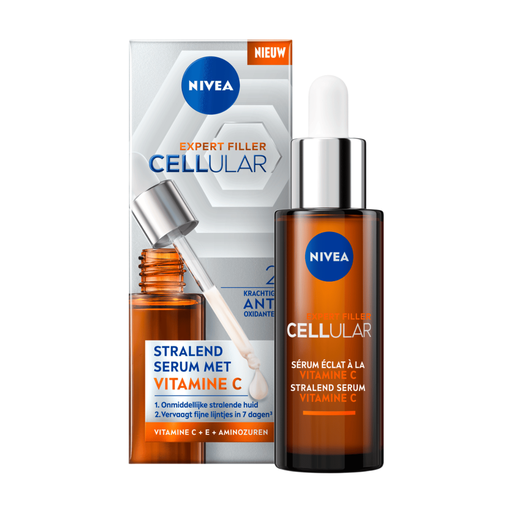
Why it suits this profile: A 30 ml serum containing a vitamin C derivative, vitamin E and glycerine for anyone looking for a simple daily routine.
The ingredients list includes ascorbyl glucoside and provides clear usage and safety instructions. The product information also mentions dermatological testing; this remains a brand claim.
30 ml; combines a vitamin C derivative, vitamin E, glycerine and amino acids according to the product description.
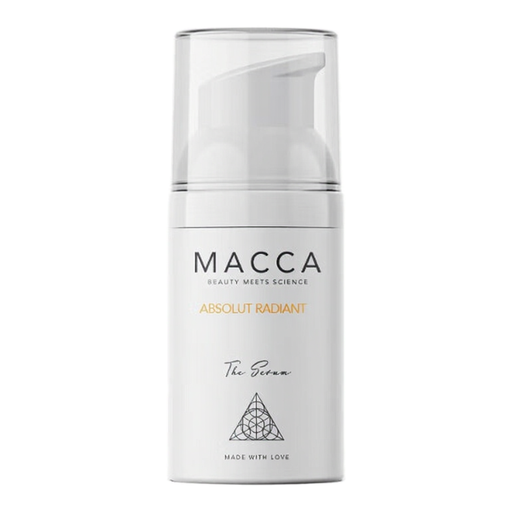
Why it suits this profile: Ideal for anyone wanting to compare a clearly specified formula with antioxidant ingredients and a 30 ml size.
The label lists 3-O-ethyl ascorbic acid and ascorbyl tetraisopalmitate, along with 6% vitamin C in the product specifications. The formula also contains alcohol denat.; those with sensitive skin may wish to take this into account beforehand.
30 ml; contains glycerine, betaine, panthenol and pomegranate extract according to the ingredients list.
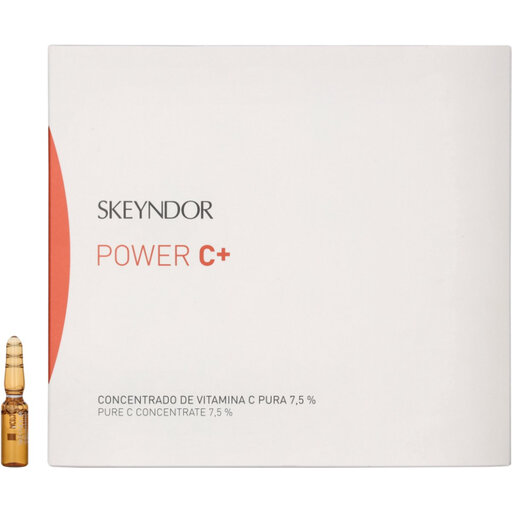
Why it suits this profile: A compact 14 ml concentrate for anyone looking for a targeted course or a product to take on the go.
The concentration of pure vitamin C is clearly stated. The manufacturer recommends using 14 ampoules over two weeks; follow the packaging instructions and stop if irritation occurs.
7.5% pure vitamin C according to the product information; 14 ml pack; lightweight, fast-absorbing texture according to the manufacturer.
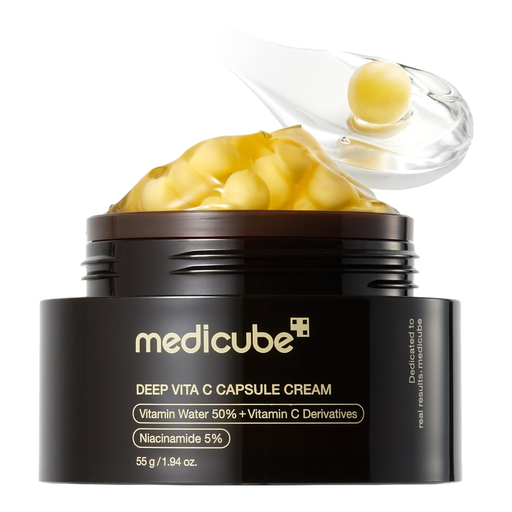
Why it suits this profile: A cream rather than a traditional serum, with two components that you can mix according to the product information to create a lighter or richer texture.
The two-component packaging allows you to adjust the amount of gel and capsule. However, check the ingredients, as the formula contains fragrance among other ingredients.
55 g; contains niacinamide, sodium ascorbyl phosphate, vitamin E, hyaluronic acid and ceramides according to the ingredients list.
We have put together a complete, up-to-date list of products that fully meet these strict selection criteria and the applicable European safety regulations.
In practice, a serum for all skin types is mainly a broad product positioning. Your own skin’s reaction remains more important than the label.
This depends on the formula and your skin. Follow the instructions on the packaging. A mild vitamin C derivative may be marketed for daily use, while a concentrated product is more likely to be used as a course. If you have sensitive skin, start cautiously.
According to its own research or product information, a brand may claim that vitamin C helps to even out the complexion or make pigmentation less visible. Results vary from person to person, and this is not a medical treatment. Daily UV protection is important when working towards a more even complexion.
Check the expiry date and the stated period after opening. Store the serum in a cool, dry place away from direct sunlight. Close the packaging securely and follow the instructions on the label. If there is a noticeable change in colour, smell or texture, it is best not to use the product.
