
Vandaag of morgen in huis

Kwaliteit gegarandeerd

Welkomstaanbiedingen ontgrendelen: GRATIS bezorging | Tot 80% korting | Gratis 30 dagen JoyPlus-proefperiode
Download de app
A vitamin C serum can be a useful addition to a routine for dull skin, an uneven complexion or visible dark spots. However, products can vary considerably. One formula may contain pure ascorbic acid, while another uses a stable vitamin C derivative. The concentration, packaging and combination with other active ingredients also affect how comfortable a serum is to use.
As a Joybuy Product Recommendation Officer, I focus mainly on verifiable information: ingredients, concentration, directions for use and suitability for different skin types. Marketing claims do not guarantee the same results for every user.
A serum with a high percentage of vitamin C may seem appealing, but pure ascorbic acid can feel more intense than a derivative. That does not automatically mean it is better suited to your skin. Sensitive skin may benefit more from a lower concentration or a more stable form, such as 3-O-ethyl ascorbic acid or ascorbyl glucoside.
Pay attention to:
A brightening serum is designed to give the skin a more radiant appearance. It will not make pigmentation disappear overnight. According to some brands’ own research, products may help create a more even complexion or make dark spots less visible after a certain period of use, but results vary from person to person.
A serum for pigmentation also cannot work independently of daily sun protection. During the day, use a sunscreen with a suitable SPF and limit prolonged exposure to the sun.
Vitamin C is sensitive to light, heat and air. A discoloured formula or unpleasant smell may indicate that the product has changed. Always follow the label and the manufacturer’s advice. Some products need to be stored somewhere cool and dark; Vitamin C23, for example, states that the serum should be refrigerated after opening and preferably used within two months.
Ascorbic acid is pure vitamin C. Products containing this form, such as Vitamin C23 and Medicube Deep Vita C Ampoule 2.0, state the amount of pure vitamin C clearly. lists 23% ascorbic acid, while Medicube lists 145,000 ppm ascorbic acid. 145,000 ppm is equivalent to 14.5%.
A derivative, such as ascorbyl glucoside or 3-O-ethyl ascorbic acid, is often chosen for the way the formula is designed and how it feels on the skin. According to the product information, The Ordinary Ascorbyl Glucoside Solution contains 12% ascorbyl glucoside. NIVEA uses ascorbyl glucoside alongside vitamin E and amino acids.
A higher concentration is most relevant for users who already know how their skin responds to vitamin C. If you are just starting out, it may be better to choose a gentler formula and test a small amount first.
Also check for other active ingredients:
Dark or airtight packaging helps protect the formula more effectively. Also check the period after opening, for example 6M or 12M, and write the opening date on the packaging.
Apply a serum after cleansing, usually before moisturiser. If you have sensitive skin, you may wish to begin by using it every other day. Do not immediately combine several strong active products, such as high concentrations of vitamin C, retinol and exfoliating acids, without first checking whether the combination is suitable.
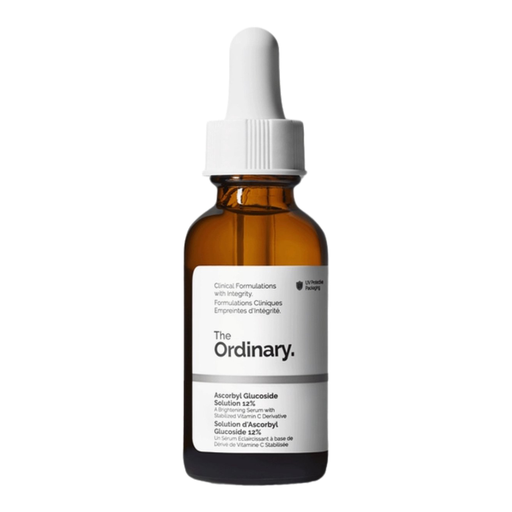
Why it suits this profile: The water-based formula with 12% ascorbyl glucoside is a straightforward option for anyone looking for their first vitamin C facial serum.
The percentage and form of vitamin C are clearly stated. According to the product information, the formula is free from alcohol, oil, fragrance and silicones.
30 ml, lightweight texture, suitable for all skin types according to the product information, and vegan.
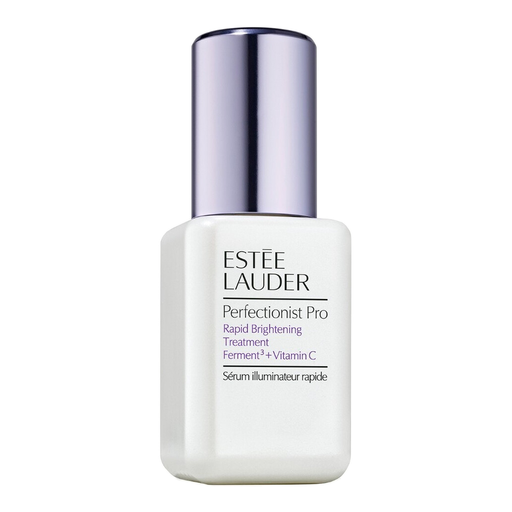
Why it suits this profile: Suitable for anyone who values hydration and a well-conditioned skin texture as well as vitamin C.
The product information lists the form of vitamin C used, ferment ingredients and hyaluronic acid. Results claims are based on the brand’s own research and will not be the same for everyone.
30 ml, ascorbyl glucoside, hyaluronic acid and a lightweight texture according to the product description.
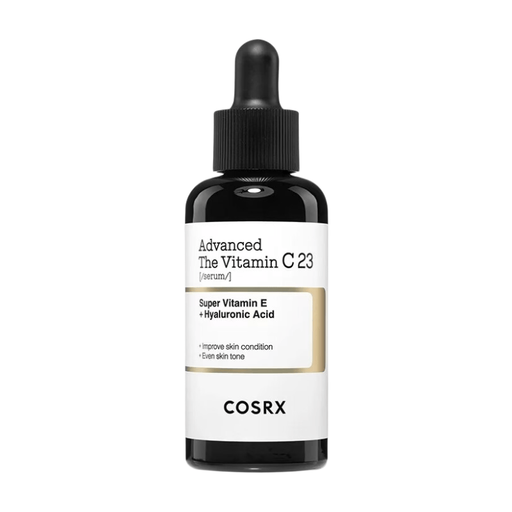
Why it suits this profile: For users who deliberately choose a high concentration of pure vitamin C and can maintain a consistent storage and usage routine.
The concentration of 23% ascorbic acid is stated clearly. The advice to refrigerate the serum and use it within two months of opening makes the storage requirements clear.
20 ml, pure vitamin C, panthenol, squalane and sodium hyaluronate in the ingredients list.

Why it suits this profile: The watery, non-sticky formula is designed for sensitive skin and fits easily into a simple Korean skincare routine.
According to the product description, the serum contains no fragrance or colourants. However, test it on a small area of skin first and stop using it if irritation occurs.
Vitamin C, niacinamide, allantoin and sea buckthorn extract; vegan formula according to the product information.
We have put together a complete, up-to-date list of products that fully meet these strict selection criteria and the applicable European safety regulations.
Cleanse your face, then apply a few drops of serum. Spread the product over your face and neck, then follow with a moisturiser. If you use the serum in the morning, finish with sun protection. Always follow the instructions on the packaging.
This varies by formula. Check the expiry date and the period after opening, for example 6M or 12M. Store the serum somewhere cool and away from direct sunlight when this is recommended on the label or in the product information. If the product becomes heavily discoloured or develops a changed smell or unusual texture, it is best not to use it.
You can, but choose carefully. A derivative and a lower concentration may feel more comfortable than pure vitamin C at a high concentration. Test a small amount first, avoid damaged skin and do not immediately combine it with other strong acids or retinol. Stop using it if you experience persistent redness, itching or a burning sensation.
