
Vandaag of morgen in huis

Kwaliteit gegarandeerd

Welkomstaanbiedingen ontgrendelen: GRATIS bezorging | Tot 80% korting | Gratis 30 dagen JoyPlus-proefperiode
Download de app
A vitamin C serum can make dull skin look visibly fresher and often fits into a routine for a more even complexion. However, not every vitamin C face serum is the same. The form of vitamin C, concentration, packaging and additional ingredients all affect how practical a product is to use.
If you only go by words such as “glow”, “anti-ageing” or “pure vitamin C”, you risk paying too much for a formula that is not right for your skin. So before buying a serum for pigmentation or a brightening serum, look out for the following pitfalls.
A pure vitamin C serum usually contains ascorbic acid. This is a well-known form, but a higher concentration can also cause more stinging or redness, particularly if you have sensitive skin. A lower percentage or a stable derivative, such as 3-O-ethyl ascorbic acid or ascorbyl glucoside, may be a more approachable starting point.
So do not compare percentages alone. Also check which form of vitamin C appears in the ingredients list and how high up the list it is.
Brands may report certain results based on their own research, such as a more even complexion after several weeks. This research is not automatically independent or representative of every user. Treat claims as information from the brand, not as a guaranteed result.
A serum may also help give your skin a more radiant appearance, but it is not a treatment for medical skin conditions. For persistent pigmentation changes or ongoing irritation, it is wiser to seek advice from a doctor or skincare professional.
Vitamin C can be sensitive to light, heat and air. A dark bottle, well-sealed packaging and clear shelf-life information are therefore important. A product that quickly changes colour or develops a different smell is not pleasant to use every day.
Pay attention to the period after opening. This is often shown by an open-jar symbol, for example 6M or 12M. Always follow the instructions on the packaging of the product you receive.
An antioxidant serum containing ascorbic acid is formulated differently from a serum containing a derivative of vitamin C. Pure ascorbic acid is found, for example, in the Vitamin C23 and Medicube Deep Vita C Ampoule. According to the product information, these products have a high concentration and require extra care when it comes to storage and getting your skin used to them.
A derivative such as 3-O-ethyl ascorbic acid is found in Sesderma ABSOLUT RADIANT VIT-C6+, Dr. Althea Vitamin C Boosting Serum and Beauty of Joseon Light On Serum, among others. These formulas may be worth considering if you are looking for a lighter or gentler serum for radiant skin. “Gentler” does not mean irritation is impossible, so always check the full ingredients list.
A vitamin C serum may contain more than just vitamin C:
Check claims such as “fragrance-free”, “vegan” or “dermatologically tested” on the product page and packaging. These properties do not automatically mean that a product is suitable for everyone.
A dispenser or pump helps limit contact with air and makes it easier to measure out the right amount. Ampoules may be suitable for a short, intensive routine, but are less convenient if you prefer to use the same serum for several months. Products containing pure vitamin C may come with refrigeration advice; follow the brand’s instructions.
Always use sun protection during the day. Vitamin C is not a substitute for sunscreen. With formulas containing AHA or salicylic acid, it is particularly important to take care in the sun.
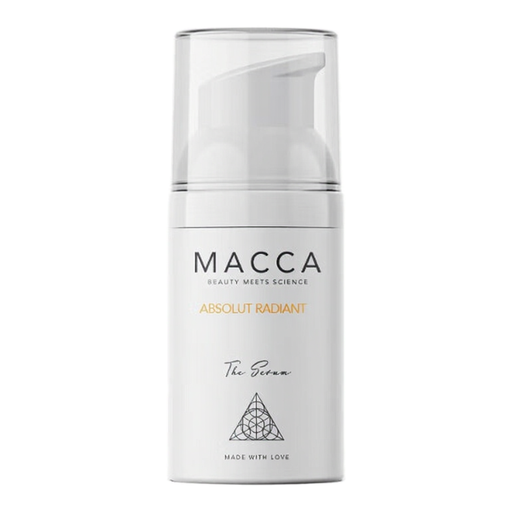
Why it suits this profile: According to the product information, the formula contains 6% vitamin C, pomegranate extract and hydrating ingredients. This makes it a straightforward option for anyone who wants to start using a vitamin C face serum gradually.
The concentration is clearly stated, so you do not have to rely solely on a vague glow promise. However, check the packaging for the six-month shelf life after opening.
30 ml, suitable for all skin types according to the product information, with glycerine, betaine and panthenol.

Why it suits this profile: If you compare products carefully by concentration, this product contains, according to the product description, 12% pure vitamin C, vitamin E and salicylic acid.
The active ingredients and concentration are described in specific terms. Because it contains alcohol, fragrance and salicylic acid, a patch test is advisable if you have sensitive skin.
12% ascorbic acid, 30 ml and a dispenser. According to L’Oréal’s own research, results are reported at different points in time; this is not a guarantee for every user.
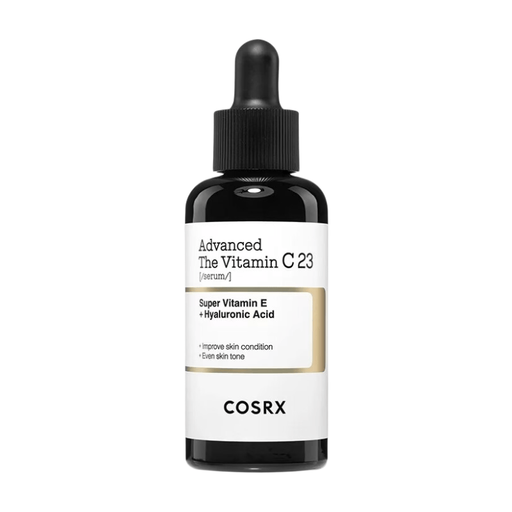
Why it suits this profile: This product is aimed at users who deliberately choose a high concentration: the ingredients list states 23% ascorbic acid and a 20 ml volume.
The concentration and storage instructions are stated explicitly. The brand recommends refrigeration and use within two months of opening, so consistent use is important.
23% ascorbic acid, along with panthenol, squalane and hyaluronic acid. A patch test is recommended, particularly if you have sensitive skin.

Why it suits this profile: The product description mentions a watery texture, niacinamide, allantoin and a formula without fragrance or colourants.
The focus is not on an extreme percentage, but on a simple, fragrance-free formula. Even so, check the ingredients and test the product on a small area of skin first.
30 ml, vegan according to the product information, with a light, non-sticky texture.
We have put together a complete, up-to-date list of products that fully meet these strict selection criteria and the applicable European safety regulations.
If you have sensitive skin, starting cautiously two to three times a week is advisable. Stop using the product if you experience persistent itching, swelling or severe irritation, and seek medical advice.
It can be, but choosing the right form and concentration is important. A fragrance-free formula containing a stable derivative may feel more comfortable than a highly concentrated serum with pure ascorbic acid. Always test a small amount first.
Many products are intended for daily use, but follow the instructions on the packaging. With a new product, it is better to start by using it every other day. Use sun protection during the day, particularly when the serum also contains AHA or salicylic acid.
This varies depending on the formula and packaging. Check the use-by date and the period after opening. Some products recommend refrigeration or use within two months, while others remain suitable for six or twelve months after opening. Keep the serum out of direct sunlight and close the packaging securely.
