
Vandaag of morgen in huis

Kwaliteit gegarandeerd

Welkomstaanbiedingen ontgrendelen: GRATIS bezorging | Tot 80% korting | Gratis 30 dagen JoyPlus-proefperiode
Download de app
A vitamin C serum can have a permanent place in a simple skincare routine. The ingredient is often chosen for a fresher appearance, a more even complexion and care for dull skin. However, a striking claim on the packaging does not tell you everything about whether a product is suitable.
When buying a facial serum with vitamin C, there are three main pitfalls to watch out for:
Check the ingredients list. Ascorbic Acid is pure vitamin C. Other forms include 3-O-Ethyl Ascorbic Acid, Ascorbyl Glucoside and Ascorbyl Tetraisopalmitate. Derivatives are often used because they may feel different on the skin or be processed differently within a formula.
A percentage is only directly comparable when it is clear which form is being used. The specifications across the range vary:
A higher percentage may appeal to some users, but it is not automatically suitable for sensitive skin. If in doubt, start with a small amount and do not use the product on damaged or irritated skin.
For a serum for pigmentation or a serum for an even complexion, look for combinations containing niacinamide, tranexamic acid, arbutin or AHA. Each of these ingredients has a different role within the formula.
For hydration, glycerine, panthenol, betaine, hyaluronic acid and ceramides are all relevant. A niacinamide serum may be worth considering if, alongside a dull appearance, you also want to address excess sebum or uneven skin texture.
A formula containing several active ingredients does require a gradual approach. Do not immediately combine several intensive products, such as a high-strength vitamin C serum, AHA and retinol in the same routine.
Check whether the product contains fragrance, alcohol or essential oils. This does not automatically mean that a formula is unsuitable, but it may be something to consider if you have sensitive skin.
Also look at:
“Dermatologically tested”, “vegan” and “suitable for all skin types” are product characteristics as stated by the manufacturer. They do not precisely predict how your skin will react. Always test a new product on a small area of skin first.
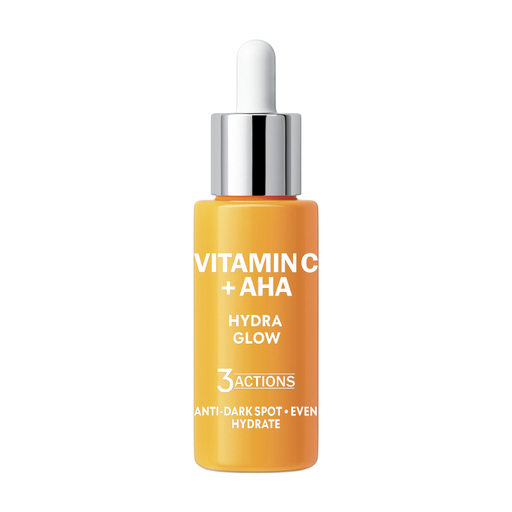
Why it suits this profile: The formula combines vitamin C, lactic acid and niacinamide in a 40 ml bottle. This makes it a practical choice if you want to target several skin concerns with one product.
The ingredients and safety warnings are clearly listed. As AHA can increase sun sensitivity, the product information recommends daily UV protection.
40 ml; contains niacinamide, panthenol, glycerine and a vitamin C derivative. According to the manufacturer, it has been dermatologically tested.
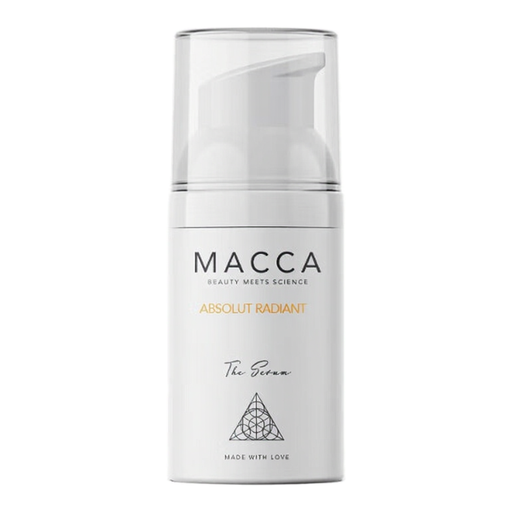
Why it suits this profile: According to the product description, this antioxidant serum contains 6% vitamin C, as well as pomegranate extract, glycerine and panthenol. The formula is intended for use during the day and in the evening.
The vitamin C percentage and key ingredients are listed. This means you do not have to rely solely on terms such as “radiant” or “brightening”.
30 ml; declared suitable for all skin types; contains a combination of vitamin C, pomegranate extract, glycerine and panthenol.
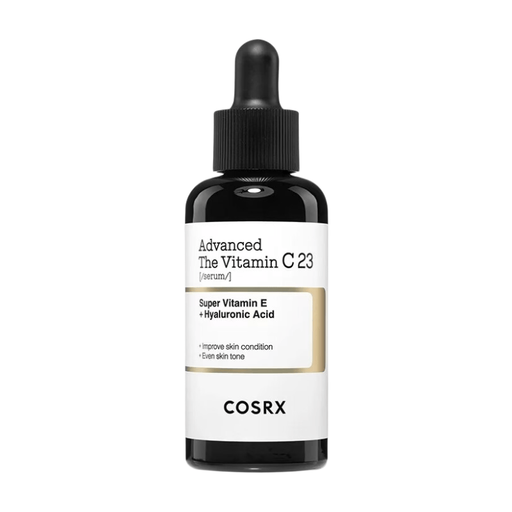
Why it suits this profile: According to the ingredients list, the formula contains 23% ascorbic acid and is aimed at users who deliberately choose a high concentration.
The high concentration is clearly stated. The product information recommends a patch test, cool storage and caution for sensitive skin.
20 ml; also contains panthenol, squalane, hyaluronic acid and vitamin E. According to the instructions, storage in the fridge is recommended.
We have put together a complete, up-to-date list of products that fully meet these strict selection criteria and the applicable European safety regulations.
Store the serum according to the instructions on the packaging. A change in colour, smell or texture may be a reason to stop using the product. Always check the current ingredients list on the product you receive, as label information may change.
Not every formula suits every skin type. A serum for all skin types may be aimed at a broad audience according to the manufacturer, but pure vitamin C, alcohol, fragrance or AHA may cause sensitivity for some people. If you have reactive skin, choose a lower concentration, a vitamin C derivative and a simple formula. A patch test is still advisable.
That depends on the concentration and the other ingredients. Follow the brand’s instructions and, if necessary, start by using it every other day. If you are using a formula with AHA, do not combine it straight away with other exfoliating products. Sunscreen should be part of your daytime routine.
Shelf life varies from product to product. Some packaging states, for example, six or twelve months after opening; other products, such as ampoules, are intended for a specific course. Store the serum somewhere cool and dry, away from direct sunlight. Always check the exact shelf life on the packaging.
