
Vandaag of morgen in huis

Kwaliteit gegarandeerd

Welkomstaanbiedingen ontgrendelen: GRATIS bezorging | Tot 80% korting | Gratis 30 dagen JoyPlus-proefperiode
Download de app
Achieving radiant, even-toned skin can sometimes feel like an unattainable goal, especially when dullness, fine lines, or dark spots start to appear. A vitamin C serum is often touted as the solution, but the market is flooded with options. Many products promise the world but fail to deliver the desired results. This is often due to a few common pitfalls that consumers easily fall into.
As a Joybuy Product Recommendation Officer, I'm here to help you cut through the marketing hype. We'll look at what really matters, so you can choose a product that suits your skin and your budget, without wasting money.
Before you make a purchase, it's wise to be aware of the most common missteps. This will help you avoid disappointment and an unused bottle in your bathroom cabinet.
You don't need to be a chemist to make a smart choice. Pay attention to the following three points on the packaging and ingredients list.
The most researched and purest form of vitamin C is L-ascorbic acid. This is the gold standard for tackling dull skin and reducing fine lines. A concentration between 8% and 20% is generally considered effective. If you have sensitive skin, a derivative like Ascorbyl Glucoside or 3-O-Ethyl Ascorbic Acid can be a gentler option.
A good vitamin C serum rarely stands alone. The formula becomes more powerful with the right partners.
Always check the packaging. An opaque, airtight bottle (like a pump dispenser) is the recommended choice. This protects the formula from oxidation and ensures your product remains effective down to the last drop.
Based on product specifications, we have selected several serums that cater to different needs and skin types.

Why This Fits Their Persona: This user wants a powerful approach to the first signs of aging, such as uneven skin tone, visible pores, and fine lines. This serum offers a high concentration of pure vitamin C for visible results.
It avoids the "high percentage" pitfall by combining 12% pure vitamin C with vitamin E and salicylic acid. This creates a stable, multi-functional formula instead of just a high dose.
The addition of salicylic acid helps refine skin texture and reduce pores. According to L'Oréal Paris, after 1 month, skin is more even, and pores and lines are clinically reduced.
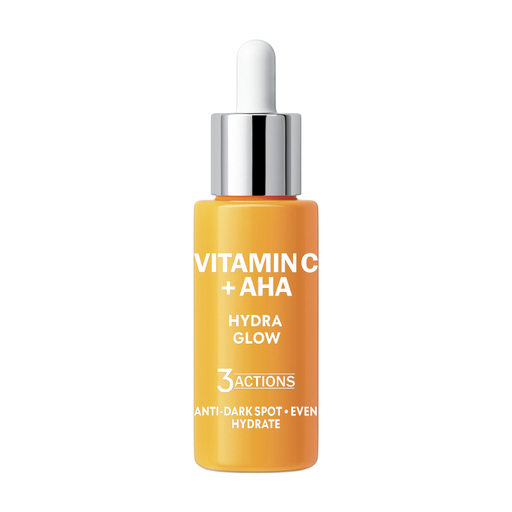
Why This Fits Their Persona: This person is specifically focused on evening out their skin tone and tackling dark spots. A radiant complexion is the main goal.
This serum doesn't rely on vitamin C alone. It sidesteps the "one-ingredient-fits-all" trap by using a smart, targeted combination of vitamin C, AHA, and niacinamide, which work together to brighten the skin.
The formula is designed to renew the skin (AHA), brighten it (vitamin C), and support the skin barrier (niacinamide). According to Olay, skin tone is visibly more even after 14 days.
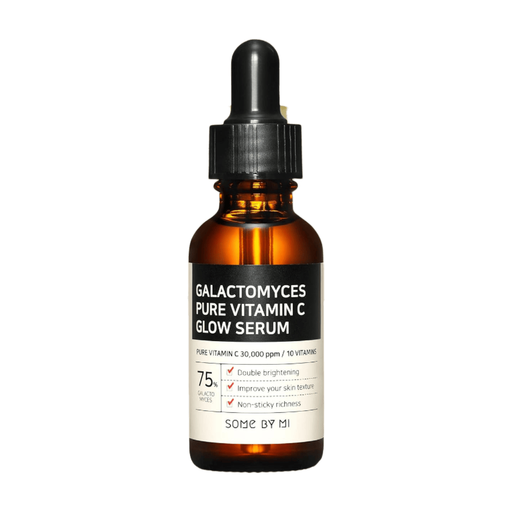
Why This Fits Their Persona: Someone who is new to active ingredients or has sensitive skin and wants to experience the benefits of vitamin C without the risk of irritation.
This serum takes a gentle approach with 3% pure vitamin C, avoiding the "higher is better" pitfall. The focus is on effective yet gentle action, suitable for daily use.
The formula contains 75% galactomyces ferment filtrate, an ingredient known for its hydrating and texture-improving properties. It's a serum that both brightens and nourishes.
We have compiled a complete, up-to-date list of products that fully meet these strict selection criteria and local regulations.
Yes, for most skin types, daily use in the morning is ideal. Its antioxidant properties help protect your skin throughout the day from external aggressors like UV radiation and pollution. Always follow up with a high-SPF sunscreen. If you have very sensitive skin, you can start with every other day and gradually build up usage.
No, it's best not to. A yellow or brown color is a clear sign that the serum has oxidized. The vitamin C has lost its effectiveness and, in some cases, may even cause minor irritation. This is a signal that it's time to replace the product.
The morning is preferred. During the day, your skin is exposed to free radicals from sunlight and air pollution. A vitamin C serum helps neutralize these. It works best as an extra layer of protection under your sunscreen. You can also use it at night, but you'll miss out on its protective benefits during the day.
