
Vandaag of morgen in huis

Kwaliteit gegarandeerd

Welkomstaanbiedingen ontgrendelen: GRATIS bezorging | Tot 80% korting | Gratis 30 dagen JoyPlus-proefperiode
Download de app
A vitamin C serum can be appealing if your skin looks dull, has dark spots or an uneven complexion. However, not every serum is the same. The differences include the form of vitamin C, the concentration, the presence of acids and how the product is stored.
If you focus solely on words such as “glow”, “brightening” or “anti-ageing”, it is easy to choose a formula that does not suit your skin or daily routine. With this practical guide, you can assess the ingredients and ease of use, rather than relying only on marketing claims.
A serum with a high concentration of pure vitamin C may feel more intense than a formula containing a stable vitamin C derivative. That does not mean it is suitable for every skin type. Ascorbic Acid, also known as pure vitamin C, can cause stinging or redness on sensitive skin. A derivative such as 3-O-Ethyl Ascorbic Acid or Ascorbyl Glucoside is often chosen for a gentler texture and application experience.
So, do not just check the percentage. Also look at the form of vitamin C and the other ingredients.
According to the product description, a cosmetic product may help improve the appearance of dull skin, dark spots or an uneven complexion. It does not guarantee that pigmentation will disappear. A brand’s own research or claims may suggest that results become visible after a certain number of days, but this information does not automatically apply to every user.
If dark spots persist or change, it is advisable to consult your GP or a dermatologist.
Combining a vitamin C serum with several strong active ingredients can increase the risk of irritation. These include retinol, exfoliating acids such as AHA or BHA, and some copper peptides. Sun exposure also requires attention. During the day, use a broad-spectrum sunscreen according to the instructions on the product, especially when your serum contains AHA, BHA or a high concentration of vitamin C.
Look at the ingredients list:
A stable formula is practical if you are looking for a serum for daily use. Store the product according to the packaging instructions and close the cap securely. If the formula has changed colour, smells different or has otherwise altered, it is best not to use it without checking the product information.
A niacinamide serum, or a vitamin C formula containing niacinamide, may be interesting if you also want to improve the appearance of uneven skin texture or excess sebum. Ingredients such as glycerine, panthenol, hyaluronic acid and ceramides are better suited to a hydrating face serum or dry skin.
AHA and BHA can make the skin feel smoother, but require extra care. According to the product description, Olay combines vitamin C with AHA and 99% pure niacinamide. If you already use an exfoliant, keep your overall routine simple.
A watery gel generally absorbs quickly and works well under a day cream or make-up. A richer formula may feel more comfortable on dry skin. Also check:
If you have sensitive skin, carry out a patch test first. Stop using the product if irritation persists and follow the safety information on the packaging.
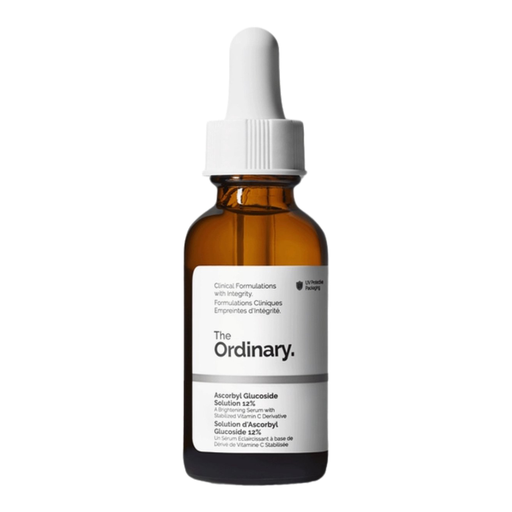
Why it suits this profile: The water-based formula and stated 12% Ascorbyl Glucoside content make this a straightforward option for anyone starting out with a brightening serum.
The ingredients list states a stabilised vitamin C variant rather than a very high concentration of pure vitamin C.
30 ml, watery formula, and according to the product information, vegan and free from fragrance and alcohol.
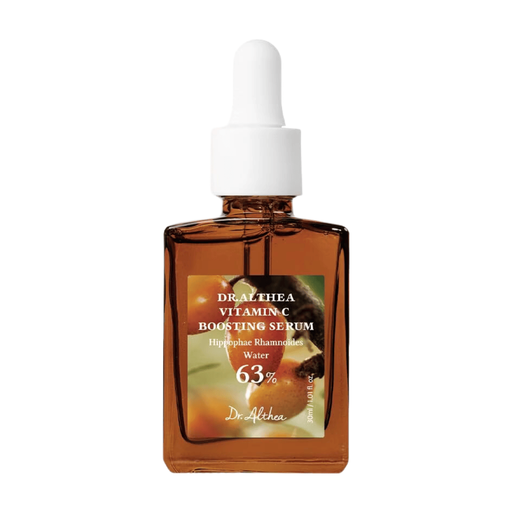
Why it suits this profile: The formula combines several nourishing ingredients with niacinamide, tranexamic acid, hyaluronic acid and vitamin C derivatives for a comprehensive routine.
The product information describes a lightweight, non-sticky texture with no artificial fragrances or colourants.
30 ml, including centella, panthenol, ceramide NP and various hydrating ingredients.
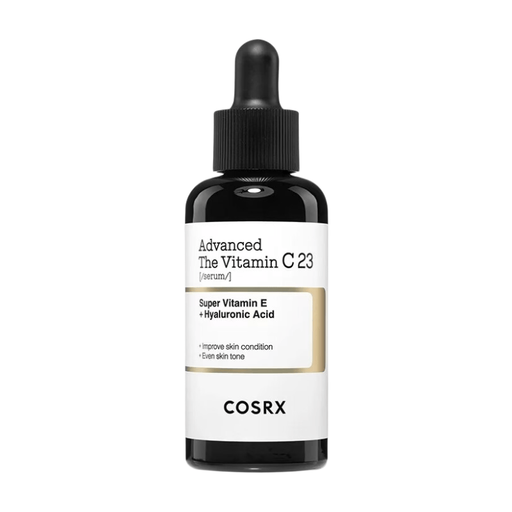
Why it suits this profile: This formula is intended for users who deliberately choose 23% pure vitamin C and can adjust their routine carefully.
The packaging recommends a patch test, cool storage and use within two months of opening for the stated optimal product quality.
20 ml, 23% Ascorbic Acid, plus panthenol, squalane and hyaluronic acid in the ingredients list.

Why it suits this profile: The product description presents this as a fragrance- and colourant-free option with a watery, non-sticky texture.
The lightweight formula means you do not have to choose solely based on a high concentration of pure vitamin C.
30 ml, with vitamin C, niacinamide, allantoin and sea buckthorn fruit extract according to the product description.
A serum for an even-looking complexion, serum for dull skin or serum for dark spots only works as part of a consistent routine. Do not expect guaranteed immediate results, and always follow the latest packaging instructions.
We have put together a complete, up-to-date list of products that fully meet these strict selection criteria and the applicable European safety regulations.
That depends on the formula and your skin. A gentle derivative may be suitable for daily use according to the label. If you have sensitive skin, start by applying it less frequently and only build up gradually if you do not experience persistent irritation.
This varies from product to product. Check the packaging for the period of use after opening., for example, recommends cool storage and use within two months of opening for the stated optimal product quality. Store every serum somewhere dark and cool, with the container tightly closed, whenever this is indicated on the label.
Many products already combine these ingredients in a single formula, including some Korean vitamin C serums. If you are using separate products, you can generally consider including them in the same routine, but do not introduce several new active ingredients at once. If you experience stinging, redness or itching, stop using the products and check the safety information.
