
Vandaag of morgen in huis

Kwaliteit gegarandeerd

Welkomstaanbiedingen ontgrendelen: GRATIS bezorging | Tot 80% korting | Gratis 30 dagen JoyPlus-proefperiode
Download de app
A vitamin C serum can become a staple in a simple skincare routine. However, comparing products fairly can be difficult. A high percentage may sound appealing, but it does not tell you everything about the formula, its stability or whether it suits your skin type.
Terms such as “radiant”, “anti-ageing” and “helps reduce pigmentation” are also often based on the brand’s product claims. Do not therefore treat them as guaranteed results. A brand’s own research may report certain visible improvements, but your skin may respond differently.
Vitamin C comes in several forms. Ascorbic acid is pure vitamin C, while 3-O-ethyl ascorbic acid, ascorbyl glucoside and ascorbyl tetraisopalmitate are examples of derivative forms. These percentages cannot be compared like for like.
A serum containing 3% pure vitamin C may feel different from a serum with a lower percentage of a more stable derivative. So do not just look at the number on the packaging. Check the full ingredients list and the directions for use as well.
Vitamin C formulas can react to light, heat and air. A dark or yellowish colour may indicate oxidation in some products, but a change in colour is not the only reason to discard a product. Always check the expiry information on the packaging and follow the manufacturer’s storage instructions.
A product such as Vitamin C23 requires cool storage and use within two months of opening, according to the product information. This makes it less suitable if you only use a serum occasionally.
Pure vitamin C, AHA and fragrance may cause stinging or redness for some users. When trying a new vitamin C serum, start with a small amount and do not apply it to damaged skin. A patch test on a small area of skin can help you assess how well you tolerate it.
Stop using the product if irritation persists. A cosmetic serum is not a treatment for a skin condition. Consult a doctor or pharmacist if you have any concerns.
Check where vitamin C appears in the ingredients list and which form is used. Examples from the range include:
A vitamin C ampoule often contains a smaller amount per pack or comes in individual portions. This can be practical for a short course, but check how many applications you will actually get.
For dry or tight-feeling skin, ingredients such as glycerine, hyaluronic acid, panthenol and betaine are worth looking out for. A hydrating serum may feel more comfortable than a highly concentrated formula with a thin, potentially irritating texture.
A serum described as suitable for all skin types does not mean that everyone will tolerate it without problems. Also check for alcohol, fragrance, essential oils and acids. If your skin reacts easily, it may be better to start with a simple, fragrance-free formula, such as a vitamin C face serum with soothing ingredients.
Air and light affect many vitamin C formulas. An airless pump bottle or well-sealed container can be practical. Also consider the size:
During the day, always use a sunscreen product according to its instructions. Vitamin C is not a substitute for UV protection.
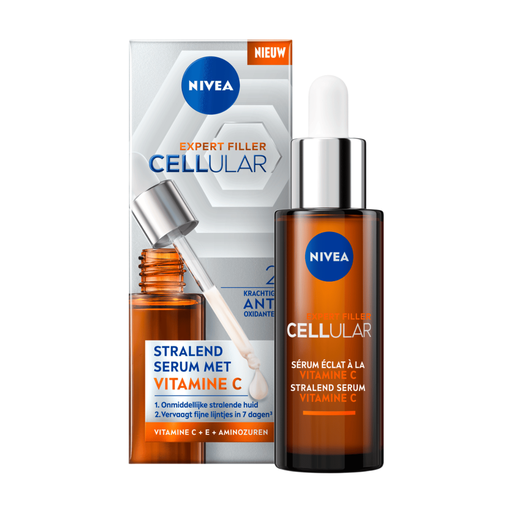
Why it suits this profile: The 30ml formula combines vitamin C with vitamin E, amino acids and hydrating ingredients. According to the product description, the serum is intended for all skin types, including sensitive skin.
The product information does not state an extremely high percentage of pure vitamin C. This makes it a more straightforward option for anyone who wants to start gently.
30 ml, lightweight texture, vitamins C and E, and dermatologically tested according to the product details.
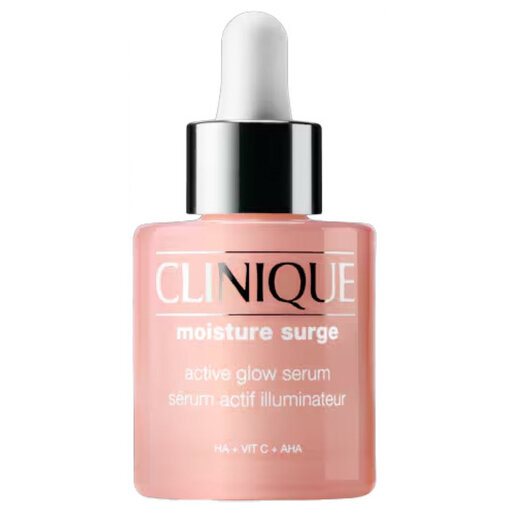
Why it suits this profile: This is a natural choice if you are mainly looking for a hydrating serum with a fresh finish, combining luminosity with a simple daily routine.
The product details state that it has a fragrance-free, non-comedogenic formula. This can help shoppers who want to avoid unnecessary fragrances.
Hyaluronic acid and antioxidants, 30 ml content, suitable for all skin types according to the product information.
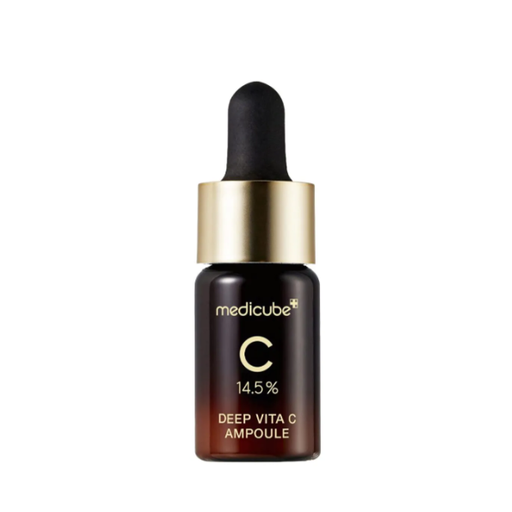
Why it suits this profile: According to the ingredients list, this ampoule contains 145,000 ppm ascorbic acid, alongside panthenol, sodium hyaluronate and vitamin E. This makes it suitable for users deliberately seeking a concentrated formula.
The concentration is clearly stated. This means you do not have to rely solely on terms such as “intensive” or “glow”. A patch test is still advisable.
Pure ascorbic acid, 20 ml content, with panthenol, hyaluronic acid and vitamin E among the ingredients.
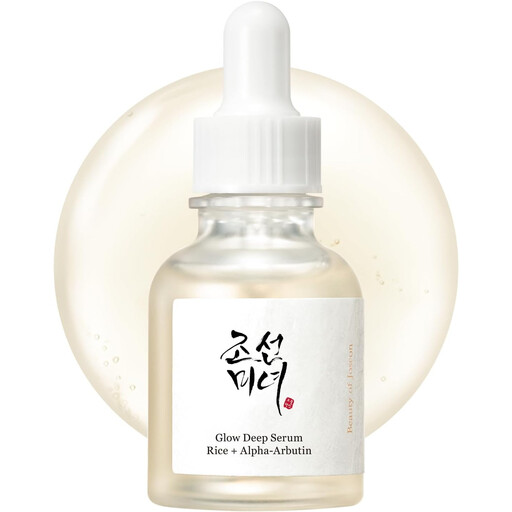
Why it suits this profile: This is not a traditional vitamin C serum, but it is an option for anyone mainly looking for a serum to support an even-looking complexion and hydration.
The formula lists 2% alpha-arbutin and contains no alcohol or fragrance according to the product details. However, check whether you specifically need vitamin C.
30 ml, 2% alpha-arbutin, rice bran water and niacinamide; vegan, alcohol-free and fragrance-free according to the product information.
We have put together a complete, up-to-date list of products that fully meet these strict selection criteria and the applicable European safety regulations.
Apply the serum after cleansing and, if desired, after using a toner. Usually use one to a few drops or one to two pumps, depending on the label. Follow with a moisturiser if your skin needs it.
If you have more sensitive skin, start by using the serum less frequently, for example a few times a week. Do not immediately combine several potent active ingredients. A gradual introduction is especially sensible with products containing AHA, retinol or a high concentration of pure vitamin C.
That depends on the formula. Some products are described as suitable for all skin types, but ingredients such as alcohol, fragrance, essential oils, AHA or a high concentration of ascorbic acid may still feel less comfortable on sensitive skin. Always read the label and, if in doubt, carry out a patch test.
The time varies from product to product. The packaging usually displays a period-after-opening symbol, such as 6M or 12M. Vitamin C23 states that it should be used within two months of opening and stored in the fridge. Store each serum according to the manufacturer’s instructions and close the packaging immediately after use.
Yes, many users apply vitamin C in the morning underneath their daily sunscreen. Vitamin C is not a substitute for UV protection. With formulas containing AHA or a high concentration of vitamin C, it is particularly important to follow the directions for use and pay close attention to sun protection.
