
Vandaag of morgen in huis

Kwaliteit gegarandeerd

Welkomstaanbiedingen ontgrendelen: GRATIS bezorging | Tot 80% korting | Gratis 30 dagen JoyPlus-proefperiode
Download de app
Dull skin, the first fine lines, or stubborn pigmentation spots: the search for an effective vitamin C serum is a familiar one for many. The promises are big, but the market is overwhelming. Unfortunately, this often leads to purchases that don't deliver the desired results. As a Product Recommendation Officer at Joybuy, I see where things go wrong every day. Let's cut through the marketing hype and look at what you really need to pay attention to.
Before you invest in a new face serum, it's important to know the most common pitfalls. This will prevent you from wasting money on a product that loses its potency after just a few weeks.
To avoid a bad purchase, focus on three concrete specifications. These determine the stability, effectiveness, and suitability for your skin.
Not all vitamin C is created equal. The ingredients list (INCI) tells you exactly which form is in the bottle.
A good serum for radiant skin often contains more than just vitamin C. Certain ingredients can enhance its performance and offer additional benefits.
As mentioned earlier, packaging is essential. Always choose a product in airtight and opaque (or dark-coloured) packaging, such as a pump bottle. This protects the formula from light and air, ensuring the serum remains effective for much longer.
Based on these objective criteria, we have selected a number of products that suit different skin types and needs.

Why This Fits Their Persona: This formula is specifically designed for sensitive skin. It's a perfect introduction to vitamin C without the risk of irritation, a common concern for beginners.
The serum uses a mild, stable form of vitamin C instead of a high percentage of pure acid. This avoids the pitfall of unnecessary irritation.
The formula is vegan, fragrance-free, and dye-free, and contains soothing ingredients like allantoin and niacinamide.
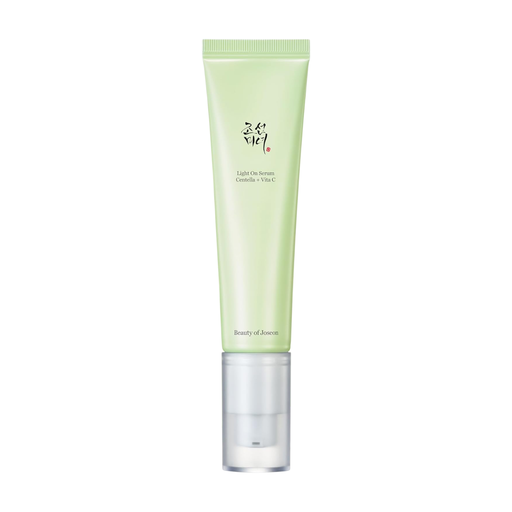
Why This Fits Their Persona: For those who appreciate the effectiveness of Korean skincare. This serum combines a modern vitamin C derivative with traditional ingredients for a clear, calm complexion.
It uses 3-O-Ethyl Ascorbic Acid, a highly stable derivative. This ensures the product maintains its potency, unlike rapidly oxidising formulas in unsuitable packaging.
The addition of Centella Asiatica extract helps to soothe the skin, making it an effective yet gentle choice for a radiant complexion.
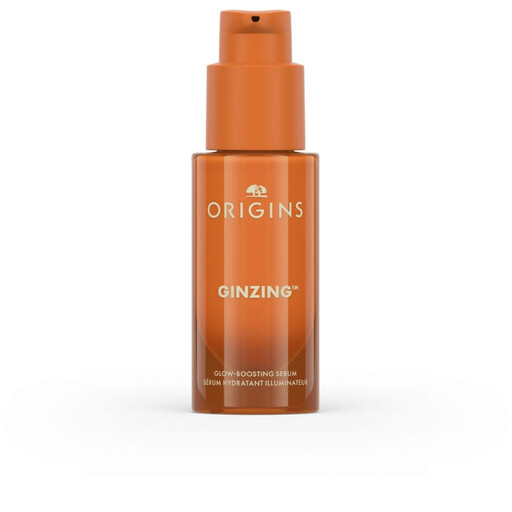
Why This Fits Their Persona: Ideal for those who expect more from a serum than just a glow. This product also targets skin texture improvement and pore refinement, a common desire.
Instead of vague 'all-in-one' promises, Origins specifies its multi-action approach with a 5% retexturizing complex (AHA/BHA) alongside vitamin C for targeted results.
Combines the brightening power of vitamin C with the exfoliating action of AHAs/BHAs for smoother skin. According to Origins, 88% of users reported visibly more radiant skin.
We've compiled a complete, up-to-date list of products that fully meet these strict selection criteria.
Yes, for optimal results, daily use is recommended. Apply the serum in the morning to cleansed skin, before your moisturiser and sunscreen. This helps protect your skin from environmental damage throughout the day. If you have very sensitive skin or are using a product with a high percentage of L-ascorbic acid, you can build up use slowly.
Check the colour and smell. A fresh vitamin C serum is usually clear, white, or light yellow. If it turns dark yellow, orange, or brown, it has oxidised and lost its effectiveness. A metallic or rancid smell is also a sign that the product is no longer good. In that case, discard it.
Absolutely. Vitamin C is an antioxidant that boosts your sunscreen's protection, but it is not a replacement for it. Using a broad-spectrum sunscreen with at least SPF 30 is the most important step in any skincare routine, especially when using active ingredients like vitamin C to achieve radiant skin and reduce pigmentation spots.
