
Vandaag of morgen in huis

Kwaliteit gegarandeerd

Welkomstaanbiedingen ontgrendelen: GRATIS bezorging | Tot 80% korting | Gratis 30 dagen JoyPlus-proefperiode
Download de app
A vitamin C serum can earn a permanent place in a simple skincare routine. Even so, it’s tricky to compare products fairly. One bottle talks about a radiant complexion, another calls itself a serum for pigmentation or an anti-ageing serum. Such promises only mean something when you also look at the ingredients, concentration and directions for use.
A higher percentage sounds appealing, but it doesn’t automatically mean a product will suit your skin better. Pure ascorbic acid can, for example, feel intense, while more stable derivatives are often formulated differently. So look at the form of vitamin C, the full ingredients list and any warnings for use.
According to Olay’s own research, participants’ skin looked brighter after one day and their complexion appeared more even after fourteen days. According to NIVEA’s product description, skin feels smooth straight away and fine lines appear smoother after one week. These are brand or product claims, not guaranteed results for every user.
Also watch for words like “anti-pigmentation”, “collagen” and “younger-looking skin”. A cosmetic product may, according to the manufacturer, help improve the appearance of certain features, but the effect varies from person to person.
Vitamin C can cause tingling or redness for some users. That’s especially true when a formula also contains AHA, salicylic acid or other active ingredients. First try a new vitamin C face serum on a small area of skin. Stop if irritation persists and always follow the label.
On ingredients lists you’ll come across ascorbic acid, 3-O-ethyl ascorbic acid, ascorbyl glucoside and sodium ascorbyl phosphate, among others. Pure ascorbic acid is often known as a more intense form. Derivatives are chemically different and are often chosen by brands for stability or a gentler formula.
Examples from the range:
A percentage or ppm value only makes sense in the context of the rest of the formula. So also check for the presence of fragrance, alcohol, fragrance allergens or exfoliating acids.
A serum for an even-looking complexion doesn’t have to consist only of vitamin C. Niacinamide, glycerin, panthenol and hyaluronic acid can contribute to a pleasant skin feel and hydration. If you have normal or combination skin, you may prefer a light, non-greasy texture. With dry skin, a vitamin C cream or moisturiser can work as an extra step.
For sensitive skin, these points are especially important:
Vitamin C formulas can be sensitive to light, heat and air. advises storing the Vitamin C23 serum upright in the fridge and using it within two months of opening. That’s a product-specific instruction and doesn’t automatically apply to every vitamin C serum.
Always check the shelf life, the period after opening and the directions on the packaging. A change in colour, smell or texture can be a reason to stop using the product. It’s better not to buy a large size if you only use serum occasionally.
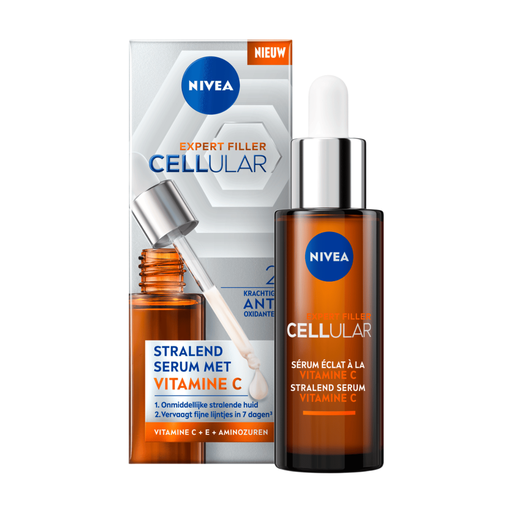
Why this suits the profile: According to the product information, the formula is suitable for all skin types, including sensitive skin, and contains vitamin C, vitamin E and amino acids. That makes it a straightforward choice if you’re new to vitamin C skincare.
The product description names a derivative, ascorbyl glucoside, rather than only touting a high percentage of pure vitamin C. The packaging also provides clear usage and safety information.
30 ml, lightweight texture according to NIVEA and a combination with vitamin E and amino acids.
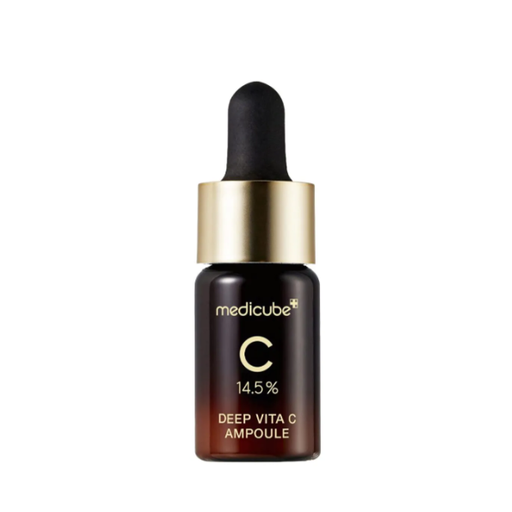
Why this suits the profile: If you pay close attention to vitamin C type and concentration, this gives you a product with a clearly stated amount of ascorbic acid. It’s geared towards users who want to build their routine carefully.
The concentration and full ingredients list are available, so you don’t have to rely solely on a generic term like “brightening”.
145.000 ppm ascorbic acid; also contains sodium hyaluronate, panthenol and allantoin.
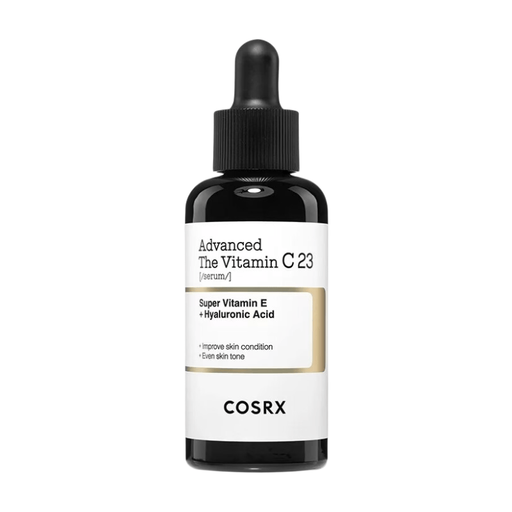
Why this suits the profile: This serum is intended for users who want to combine a high concentration with a consistent routine. The instructions call for extra attention to storage, patch testing and combining with other active ingredients.
The product information warns about the high 23% concentration, advises a patch test and recommends storing the product in the fridge.
23% ascorbic acid; contains panthenol, squalane, sodium hyaluronate and vitamin E.
We’ve compiled a complete, up-to-date list of products that fully meet these strict selection criteria and comply with current European safety regulations.
Cleanse your face and then apply a few drops of serum as directed on the packaging. Finish with a moisturiser if your skin needs it. If you use the serum in the morning, also apply a sunscreen with appropriate UV protection. With a formula containing AHA or a high concentration of vitamin C, that step is especially important.
Don’t start by combining multiple active products. A niacinamide serum can fit alongside vitamin C in some routines, but it’s best to introduce products one by one. That way, you’ll better notice which product feels comfortable or, conversely, causes irritation.
That depends on the formula and how your skin reacts. When choosing a vitamin C for sensitive skin, look for clear safety information and pay attention to fragrance, alcohol, citrus oils and acids. Start with a patch test and build up usage gradually.
Many products are designed for daily use, but the instructions differ from one formula to another. Follow the label. With a high concentration or in combination with AHA, it can be wiser to start less frequently.
Check the shelf life and the period after opening on the packaging. Store the product as indicated, usually tightly closed and out of direct sunlight. Some formulas, such as Vitamin C23, according to the product information require refrigeration and use within a limited period after opening.
