
Vandaag of morgen in huis

Kwaliteit gegarandeerd

Welkomstaanbiedingen ontgrendelen: GRATIS bezorging | Tot 80% korting | Gratis 30 dagen JoyPlus-proefperiode
Download de app
Vitamin C is available as tablets, capsules, gummies, effervescent tablets and face serums. With so much choice, it isn’t always easy to compare products. A high dose, for example, doesn’t automatically mean a product will suit your routine. Terms such as “brightening”, “vegan” or “gentle on the stomach” only tell you so much unless you check the ingredients, dosage and directions for use.
The main pitfalls to avoid are:
Supplements usually state the amount of vitamin C per tablet, capsule, gummy or effervescent tablet. The European reference intake for adults is 80 mg a day. Products containing 1000 mg therefore provide many times that amount. A higher dose isn’t automatically more suitable.
Here’s how the amounts compare:
Always follow the recommended daily amount and don’t exceed it. A supplement is no substitute for a varied diet.
The best form for you depends on what’s most convenient:
Use sun protection during the day when a serum contains AHA or vitamin C. Stop using it if you experience stinging, redness or swelling. Introduce a new serum carefully and avoid applying it to damaged skin.
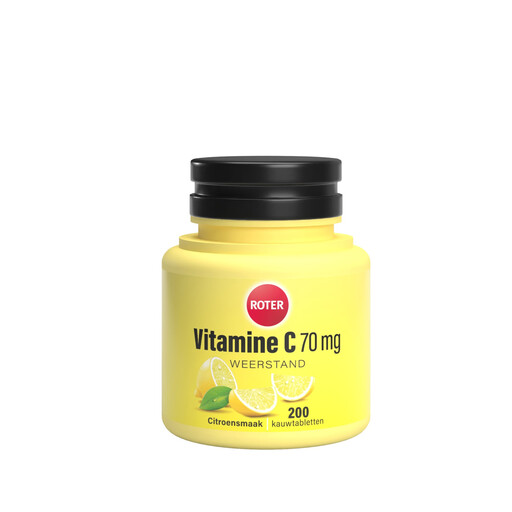
Why it suits this profile: The chewable tablets have a lemon flavour and can be taken without water. According to the product information, the maximum daily dose of four tablets provides 280 mg of vitamin C.
You don’t have to opt for a high dose by default. The amount per tablet and the maximum daily intake are clearly stated.
200 tablets, lemon flavour, lactose-free and gluten-free according to the product information.
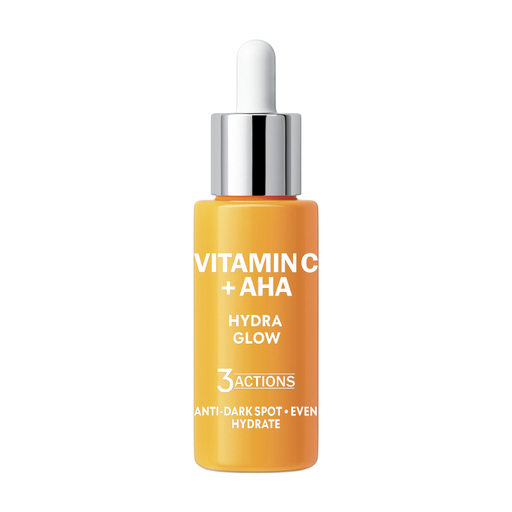
Why it suits this profile: According to the product description, this serum combines 3-O-ethyl ascorbic acid, lactic acid and niacinamide in a 40 ml formula.
The ingredients list shows that this isn’t a vitamin C serum with just one active ingredient. As it contains AHA, daily UV protection is especially important.
40 ml, contains niacinamide and is vegan and dermatologically tested according to the product information.
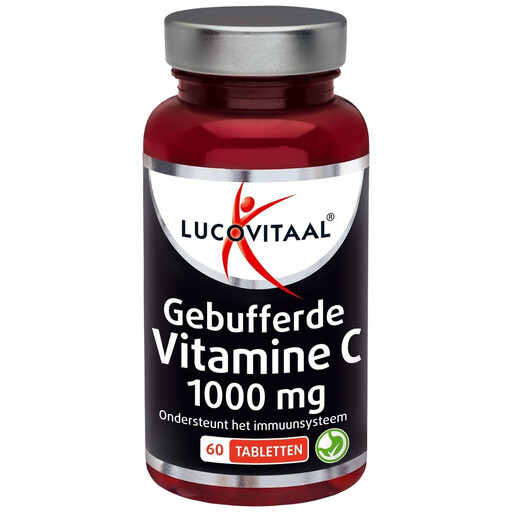
Why it suits this profile: According to the label, each tablet contains 1000 mg of vitamin C from calcium ascorbate and magnesium ascorbate. The recommended use is one tablet a day.
The form of vitamin C is specified, so you don’t have to rely on terms such as “gentle” or “buffered” alone.
60 tablets, vegan according to the product information and free from the 14 main EU allergens according to the stated label.
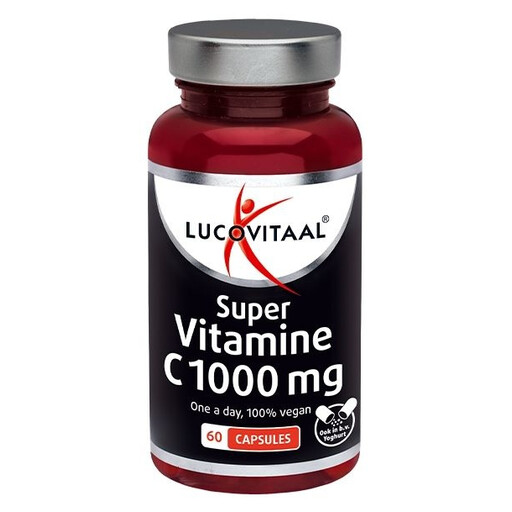
Why it suits this profile: According to the product information, these vitamin C capsules contain 1000 mg per capsule and have a vegan shell made from hydroxypropyl methylcellulose.
The capsule form and ingredients are clearly stated. You don’t have to choose gummies or flavourings if you prefer a straightforward formula.
60 capsules, vegan according to the label and, according to the directions for use, can be opened and mixed with yoghurt or juice if desired.
We’ve put together a complete, up-to-date list of products that meet these strict selection criteria and the applicable European safety requirements.
That depends on your diet, age, health and the product you choose. 1000 mg is a high dose compared with the reference intake of 80 mg. Follow the label and don’t simply combine several supplements containing vitamin C. If you take medication, are pregnant or breastfeeding, or have a medical condition, it’s sensible to speak to a healthcare professional.
A vitamin C serum is applied to the skin and often contains ascorbic acid or a vitamin C derivative. A supplement is taken to top up your diet. A serum is no substitute for food or a supplement, and a supplement doesn’t replace skincare. Always check a serum’s ingredients, shelf life and warnings about sun exposure.
Store both according to the label, usually in a cool, dry place away from direct sunlight. Close a serum securely and check its expiry date or period after opening. Effervescent tablets must be kept dry; close the tube straight after use. Stop using a product if its smell, colour, texture or packaging has noticeably changed.
