
Vandaag of morgen in huis

Kwaliteit gegarandeerd

Welkomstaanbiedingen ontgrendelen: GRATIS bezorging | Tot 80% korting | Gratis 30 dagen JoyPlus-proefperiode
Download de app
A vitamin C face cream might seem straightforward to choose at first glance. Yet formulas vary greatly in the form of vitamin C, texture, SPF and additional ingredients. A cream that feels comfortable on dry skin, for example, can be too rich for oily skin. Likewise, a product with a bold claim about dark spots may not automatically be suitable for daily use.
If you’re looking to compare products carefully, it’s wise to look beyond just the name or packaging. Check the ingredients list, the usage instructions and the sun protection. This way, you avoid paying for a promise that doesn’t fit your skincare routine.
A pack may simply state “vitamin C”, while the formula actually contains ascorbyl glucoside, sodium ascorbyl phosphate, 3-O-ethyl ascorbic acid or ascorbic acid, for example. These are different forms with varying properties in terms of formulation, stability and skin feel.
A cream with a vitamin C derivative can be practical for daily use, whereas a formula with multiple active ingredients may feel more intensive. Always check the full INCI list and follow the manufacturer’s usage instructions.
A cream for dark spots or anti-pigmentation cream can help support a more even appearance, but a standard vitamin C cream is not automatically a sunscreen product. Without a stated SPF, a product offers no declared UV protection.
Even a vitamin C day cream with SPF has a limited protection factor. For prolonged sun exposure, a separate broad-spectrum sunscreen may be necessary. Also check whether the SPF is clearly stated on the packaging; an antioxidant face cream without SPF should not be used as a sunscreen.
Vitamin C is often combined with niacinamide, AHA, BHA, salicylic acid, retinoids or fragrance. This can be interesting for an extensive routine, but several active ingredients at once may be less suitable for sensitive or damaged skin.
Start with one new product if possible. Test a small amount on a limited area of skin and stop if irritation occurs. Avoid contact with the eyes and follow the safety information on the packaging.
Pay attention to which form of vitamin C appears in the ingredients list and roughly where it appears in the list. A formula may also contain hydrating ingredients such as glycerine, panthenol or hyaluronic acid. For dry skin, richer emollients and oils are also relevant. Oily or combination skin, on the other hand, may be better suited to a gel or light sorbet texture.
Niacinamide appears in several of the formulas mentioned. This ingredient is often used in products aimed at a more even appearance and supporting the skin barrier. Brand claims about a formula are no guarantee of the same result for every user.
For a hydrating day cream, the difference between SPF 15 and SPF 30 is practically relevant. NIVEA Q10 Energy states SPF 15; Olay Vitamin C Face Moisturiser states SPF 30. Protection also depends on the amount applied and reapplication according to the product instructions.
If you mainly want to use an antioxidant face cream in the evening, SPF is not a necessary product feature. For the morning, however, it is important to include sun protection separately in your routine.
Most of the options below contain around 50 ml, while some variants offer 55 to 70 ml. Don’t just look at the volume, but also at the usage: a rich cream may require less product per application than a light gel.
Store vitamin C products according to the label, usually in a cool place away from direct sunlight. Check the expiry date and the period after opening on the packaging. For capsule or mix formulas, it is important to follow the mixing ratio and application instructions.
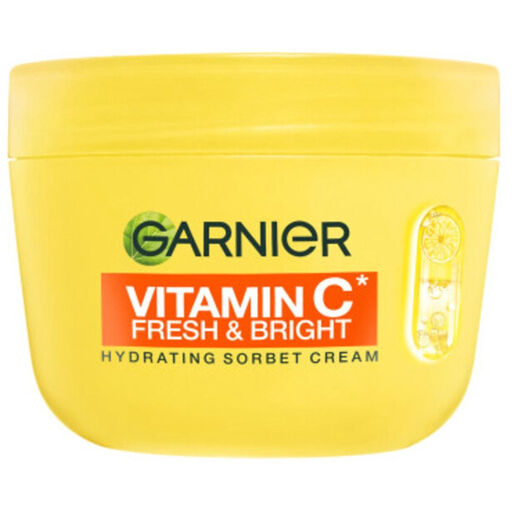
Why this fits the profile: The light sorbet texture is designed for daily use and contains glycerine, niacinamide, ascorbyl glucoside and salicylic acid.
The ingredients list makes it clear that this is not an SPF product. Therefore, use separate sun protection during the day.
50 ml, light sorbet formula, vitamin C derivative and salicylic acid. The brand states that daily use is recommended.
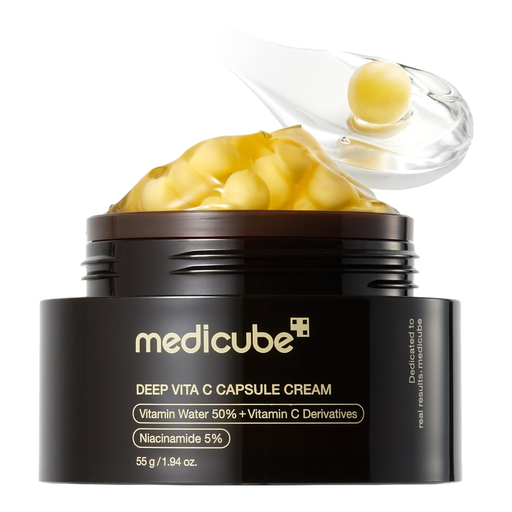
Why this fits the profile: The two-part formula combines a transparent gel with vitamin C capsules. According to the product description, you can adjust the ratio to your desired skin feel.
According to the product description, the capsule format limits direct contact of vitamin C with air. Do follow the storage and usage instructions.
55 g, five vitamin C derivatives according to the product information and an adjustable gel-capsule ratio.
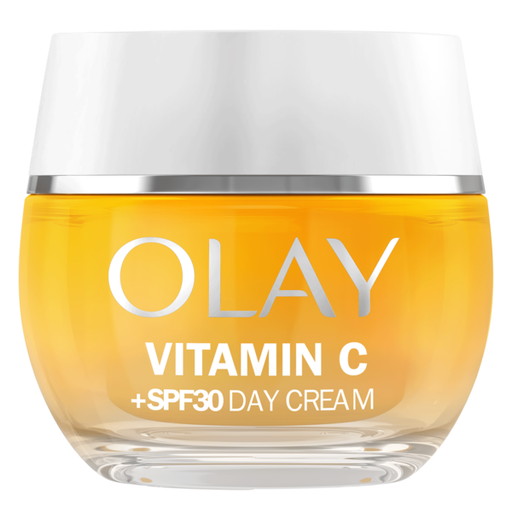
Why this fits the profile: According to the product information, this light day cream combines vitamin C, niacinamide, 24-hour hydration and SPF 30 for your morning routine.
The SPF value is clearly stated. In strong sun, after swimming or sweating, additional or reapplied sun protection may be necessary.
50 ml, SPF 30, niacinamide, 3-O-ethyl ascorbic acid and a light, non-greasy formula according to the product description.
We have compiled a full, up-to-date list of products that fully meet these strict selection criteria and comply with current European safety regulations.
That depends on the formula and your skin. Products intended for daily use can be applied in the morning and possibly in the evening, according to the label. Do not combine a formula with acids or other active ingredients directly with several new products. If irritation occurs, stop using it.
Check the expiry date and the period after opening on the packaging. Do not store the cream in direct sunlight or near a heat source. A change in smell, colour or texture may mean it is better not to use the product any more. For capsule formulas, you must also follow the manufacturer’s instructions.
Many brands position their product as a brightening face cream or cream for an even complexion. According to a brand’s own research, results regarding pigment spots or skin texture may be mentioned, but such outcomes are not the same for every user. Always use appropriate sun protection during the day and consult a doctor or pharmacist for persistent or noticeable skin changes.
