
Vandaag of morgen in huis

Kwaliteit gegarandeerd

Welkomstaanbiedingen ontgrendelen: GRATIS bezorging | Tot 80% korting | Gratis 30 dagen JoyPlus-proefperiode
Download de app
Dull skin, an uneven complexion or visible pigmentation can all be reasons to try a vitamin C face cream. However, not every brightening face cream is the same. One formula may contain a stable form of vitamin C, while another focuses mainly on niacinamide, acids, hydrating ingredients or sun protection.
As a Joybuy Product Recommendation Officer, I focus on verifiable information on the product label: ingredients, skin type, texture, SPF and usage instructions. This helps you avoid paying mainly for an attractive promise.
Words such as “glow”, “anti-ageing” and “dark spot corrector” do not automatically tell you how much vitamin C a cream contains or which form it uses. So check the ingredients list. You may come across ascorbic acid, as well as more stable derivatives such as ascorbyl glucoside, sodium ascorbyl phosphate or 3-O-ethyl ascorbic acid.
You should not treat a brand’s claim about reducing fine lines or pigmentation as a guaranteed result. For example, NIVEA’s own research mentions an effect on fine lines within two weeks for its Q10 Energy cream; the product information states that this is based on in-vitro research on skin cells. That is not the same as a guarantee for every user.
A cream with SPF 15, SPF 25 or SPF 30 can be convenient for everyday use, but the level of protection depends on the amount applied and how often it is reapplied. If you spend a long time outdoors, exercise or are exposed to a lot of direct sunlight, you will generally need a separate sun protection product. So a cream with SPF is not automatically a complete replacement for sunscreen.
Also pay attention to the difference between a vitamin C face cream and a cream that contains only a small amount of a vitamin C derivative. Both may be useful, but their intended functions differ.
AHA, BHA, salicylic acid, fragrance and alcohol may be less comfortable for some users, particularly if their skin is sensitive or damaged. A cream for pigmentation containing several active ingredients should therefore be introduced gradually. First test a small amount on a limited area of skin and stop using it if irritation persists.
Do not just look for the words “vitamin C”; consider the full combination of ingredients. A niacinamide cream may be aimed at creating a more even-looking complexion and supporting the skin barrier. Panthenol, glycerine, hyaluronic acid and squalane are particularly worth considering when hydration is important.
For example:
If you want one product for your morning routine, compare the SPF and the usage instructions. According to the product specifications, the NIVEA Q10 Energy Day Cream has SPF 15. OLAY Vitamin C Face Moisturiser states SPF 30. Clinique Superdefense is available in variants with SPF 25.
However, SPF says nothing about the texture, fragrance or suitability for your skin. Oily skin may benefit from a lightweight, oil-free formula, while dry skin may prefer a richer cream.
A gel cream will generally absorb differently from a rich cream in a jar. Also check the pack size: the selected products range from approximately 30 ml to 75 ml. A tube can be hygienic and easy to take with you; a jar requires careful use with clean hands.
For sensitive skin, features such as fragrance-free, alcohol-free and a short ingredients list are relevant points to consider. These features do not prove that a product will be suitable for everyone, but they make comparisons easier.
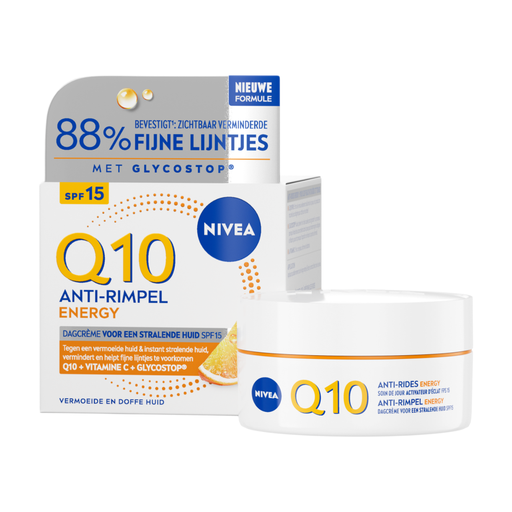
Why it suits this profile: An everyday day cream with vitamin C, Q10 and SPF 15 for anyone who wants to keep their routine simple.
The product specifications clearly state SPF 15 and sodium ascorbyl phosphate, so you do not have to rely solely on the term “glow”.
50 ml, vitamin C derivative, Q10 and SPF 15 in one morning product.
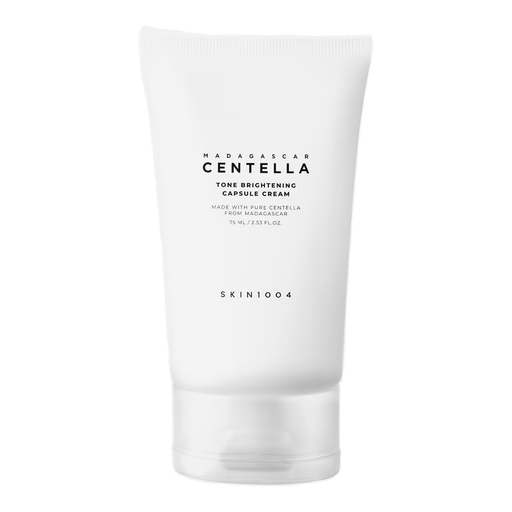
Why it suits this profile: This lightweight gel cream combines caring ingredients with a formula that, according to the product specifications, is suitable for all skin types, including sensitive skin.
The product information lists 60% Centella Asiatica extract, niacinamide, panthenol and tranexamic acid, and states that the product is alcohol-free and fragrance-free.
75 ml, lightweight texture and a combination of hydrating and tone-evening ingredients.
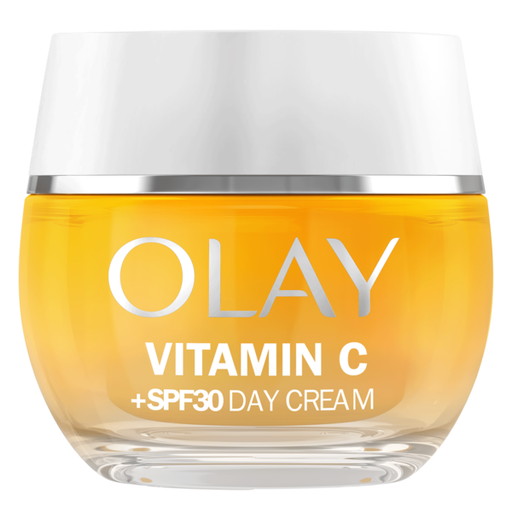
Why it suits this profile: A lightweight day cream for anyone who wants to combine hydration, vitamin C, niacinamide and SPF 30 in one product.
The product description mentions SPF 30, 99% pure niacinamide and 3-O-ethyl ascorbic acid; however, always check the current packaging.
50 ml, lightweight non-greasy formula, 24-hour hydration according to the product information and SPF 30.
We have put together a complete, up-to-date list of products that fully meet these strict selection criteria and the applicable European safety regulations.
Apply the cream to a cleansed face and, if required, the neck. If the cream contains no SPF or only a low SPF, apply sufficient sun protection afterwards in the morning. It is best to introduce new active ingredients gradually. Do not combine several exfoliating products straight away.
Store the product according to the label, preferably away from direct sunlight and heat. Check the expiry information and look out for changes in fragrance, colour or texture. If you have sensitive skin, a patch test is advisable.
According to product descriptions, a formula containing vitamin C may help create a more even-looking complexion. Results vary depending on your skin and how you use the product. Daily sun protection remains important, as UV radiation can affect an uneven complexion.
That depends on the formula and your skin. A simple moisturising cream with a vitamin C derivative may be designed for everyday use. Products containing AHA, BHA or several active ingredients require greater care. Always follow the label and reduce use if irritation occurs.
The shelf life is stated on the packaging. Close the jar or tube properly and do not store it in direct sunlight. A stable vitamin C derivative does not mean that a product has an unlimited shelf life. So check the expiry date and the period after opening.
