
Vandaag of morgen in huis

Kwaliteit gegarandeerd

Welkomstaanbiedingen ontgrendelen: GRATIS bezorging | Tot 80% korting | Gratis 30 dagen JoyPlus-proefperiode
Download de app
A vitamin C cream may sound straightforward, but the differences between products can be significant. One formula may be designed for the face, another for the eye area, while others come as complete gift sets. The type of vitamin C, whether SPF is included and the texture all affect how well a product fits into your routine.
If you focus only on words such as “brightening”, “glow” or “anti-ageing”, you could easily buy a product that is not right for your skin. Instead, pay particular attention to the verifiable information on the packaging and in the ingredients list.
Vitamin C comes in various forms, including ascorbic acid, 3-O-Ethyl Ascorbic Acid, Sodium Ascorbyl Phosphate and Ascorbyl Glucoside. These ingredients do not all have the same properties. A product labelled “vitamin C” on the front may therefore contain a stable derivative rather than pure vitamin C.
Check the full INCI list. Also see whether the brand states a percentage and whether the packaging clearly explains how the product should be stored. Transparent product information is more useful than a big promise on the front.
A hydrating day cream with SPF can be practical for everyday use. The OLAY Vitamin C Face Moisturiser, for example, states SPF 30 and includes filters for UVA and UVB protection in the ingredients list. However, the amount of cream needed to provide sufficient protection may differ from the amount you would normally use as a moisturiser.
If you spend a lot of time outdoors, perspire or stay in the sun for extended periods, follow the usage instructions on the packaging and consider using a separate sun protection product. With products containing exfoliating ingredients such as AHA or salicylic acid, daily facial skincare with SPF is particularly important.
The skin around the eyes requires a formula specifically designed for that area. A vitamin C eye cream often has a lighter texture and comes in smaller packaging. Avoid direct contact with the eyes and stop using the product if irritation occurs.
When choosing a cream for dark circles, also consider how the claim is worded. Dark circles can have various causes, so a cosmetic product will not necessarily produce the same visible effect for everyone. According to OLAY’s product information, the vitamin C eye cream is designed to hydrate the eye area and make the surrounding complexion appear more even; this is a manufacturer’s claim, not a guaranteed result.
As well as vitamin C, a formula may contain niacinamide, glycerine, panthenol, hyaluronic acid, vitamin E or exfoliating acids. Niacinamide is often used in a niacinamide cream to support hydration and a more even-looking complexion. Glycerine and hyaluronic acid are particularly worth considering if you have dehydrated skin.
Combining vitamin C with AHA, BHA or salicylic acid may feel more intensive. If you have sensitive skin, start by using the product less frequently and do not introduce several new active products at the same time. A patch test on a small area of skin can help you assess how well the product is tolerated beforehand.
A gel cream generally feels lighter than a rich cream. This can be pleasant for normal, combination or oilier skin. For dry skin, a formula containing glycerine, oils or occlusive ingredients may feel more comfortable.
Check for perfume and fragrance ingredients if you are sensitive to them. According to the product information, the OLAY Vitamin C eye cream is fragrance-free. The OLAY day cream with SPF 30, on the other hand, contains perfume and fragrance ingredients such as limonene, linalool and citronellol. The Garnier Sorbet Cream contains, among other ingredients, alcohol denat., perfume and salicylic acid, and states that the eye contour should be avoided.
Vitamin C formulas can be sensitive to light, air and heat. Always check the shelf-life information and store the product according to the label. With a capsule formula such as the Medicube cream, the vitamin C components are only mixed with the gel during use. This is a specific packaging and usage feature, but it does not guarantee a particular skin result.
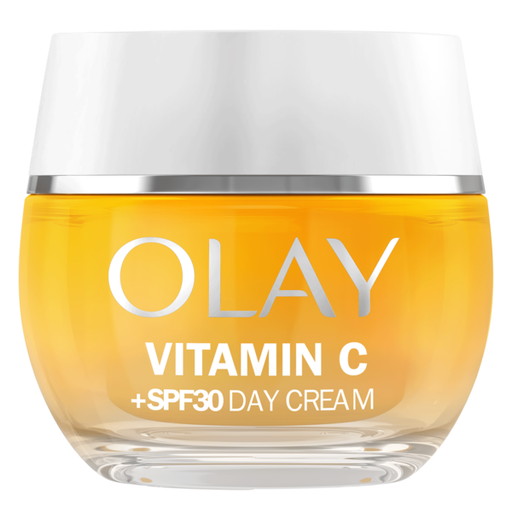
Why it suits this profile: A daily face cream combining vitamin C, niacinamide, glycerine and SPF 30 in one product. Ideal if you want to build a simple morning routine.
The product information specifies the type of vitamin C, niacinamide and SPF 30. This means you do not have to rely solely on general terms such as “glow”.
50 ml; SPF 30; glycerine and panthenol; lightweight, non-greasy formula according to the product description.
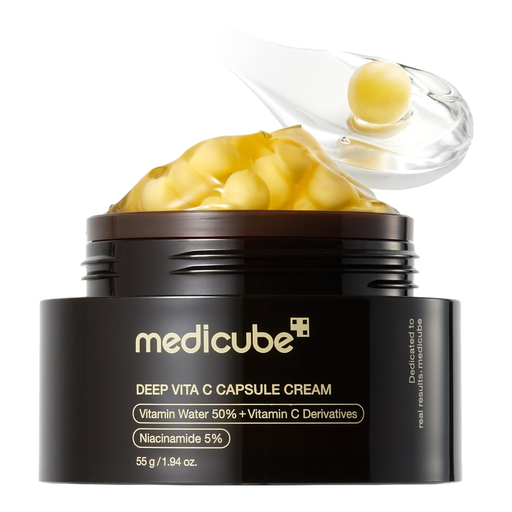
Why it suits this profile: For skincare enthusiasts looking for multiple active ingredients and an adjustable texture.
According to the usage instructions, the capsule and gel components are mixed together. The product information also lists several vitamin C derivatives and 5% niacinamide.
55 g; mixable gel and capsule formula; contains niacinamide, panthenol, hyaluronic acid and vitamin C derivatives.
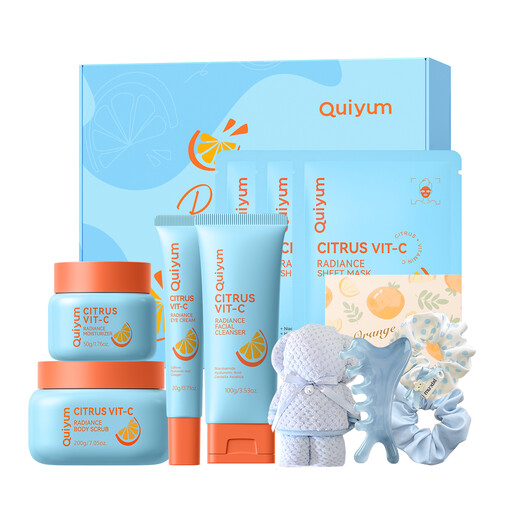
Why it suits this profile: A complete set with cleanser, eye cream, face cream, masks and body scrub, along with accessories and gift packaging.
The contents are listed clearly: 11 items with individual quantities. However, check the full ingredients list on each package before using the set.
Cleansers 100 g; eye cream 20 g; face cream 50 g; body scrub 200 g; three masks of 25 g and various accessories.
We have put together a complete, up-to-date list of products that fully meet these strict selection criteria and the applicable European safety regulations.
Do not immediately combine several exfoliants with vitamin C if your skin is prone to reacting. A cream for pigmentation may help to cosmetically reduce the appearance of discolouration according to the brand description, but results vary from person to person. If you experience persistent skin problems or severe irritation, it is wiser to seek advice from a doctor or pharmacist than to continue adding more active products.
That depends on the formula and your skin. A simple moisturiser containing a vitamin C derivative may be designed for daily use. A cream containing AHA, BHA or salicylic acid requires greater care. Follow the label and, if you have sensitive skin, begin by using it every other day.
A vitamin C eye cream can hydrate the eye area and, according to brand claims, make it look brighter or more even. However, dark circles can have various causes. Choose a product specifically developed for the eyes and avoid contact with the eyes themselves.
The exact shelf life is stated on the packaging. Store the cream in a cool, dry place away from direct sunlight and make sure the packaging is closed properly. If the smell, colour or texture changes noticeably, check the label first and do not use the product if in doubt.
