
Vandaag of morgen in huis

Kwaliteit gegarandeerd

Welkomstaanbiedingen ontgrendelen: GRATIS bezorging | Tot 80% korting | Gratis 30 dagen JoyPlus-proefperiode
Download de app
A vitamin C cream can help with a dull complexion, dry skin or an uneven skin tone. Yet not every cream containing vitamin C is the same. Some products are designed for the face, others for the body. They also differ in concentration, the form of vitamin C used, the texture, and whether they contain fragrance or sun filters.
If you only look at words like “brightening”, “firming” or “anti-ageing”, you risk buying a product that doesn’t suit your skin or the time of day you plan to use it. With these checkpoints, you can compare a vitamin C face cream, vitamin C day cream, night cream and body lotion in a level-headed way.
Brands use terms like “radiant”, “firming” and “against dark spots”. Such terms don’t automatically tell you how the product will work for every user. According to NIVEA’s own research, certain test groups showed visibly firmer skin and improved elasticity after as little as seven days. That is no guarantee for every skin type or every user.
So pay attention to the evidence in the product information. Is there an instrumental test, a user panel, or just a general marketing claim? A cream can make the skin feel more comfortable and smoother, but cosmetics are not a substitute for medical treatment.
A vitamin C body lotion is usually formulated for larger areas and often has a richer or more fragranced formula. A face cream, on the other hand, may contain active ingredients such as niacinamide, AHA or BHA. That combination requires more care if you have sensitive skin.
Don’t automatically use a body lotion on your face, and don’t expect a face cream to have the same price per millilitre as a lotion for your whole body.
An SPF day cream is convenient for daily use, but the protection depends on how much you apply and how often you reapply. A product with SPF 15 or SPF 30 is not the same as a separate sunscreen for prolonged sun exposure. Also check whether the vitamin C in the formula is a stable derivative, such as sodium ascorbyl phosphate, ascorbyl glucoside or 3-O-ethyl ascorbic acid.
“Vitamin C” can appear under different names on the ingredients list. Examples in the range include:
A derivative is not automatically better or worse. The most important thing is to look at the full formula, texture and instructions for use.
A moisturising cream doesn’t work on vitamin C alone. Glycerine, panthenol, hyaluronic acid, squalane and shea butter can all contribute to a comfortable feel on the skin. Niacinamide often appears in products aimed at hydration and a more even-looking complexion.
AHA and BHA provide exfoliating properties. That can be interesting for normal or combination skin, but less so if your skin tends to feel dry, red or sensitive. If in doubt, read the warnings and test a new product on a small area of skin first.
Choose based on the area and your routine:
Apply face cream to a cleansed face and neck. Use a body lotion on clean body skin. Avoid contact with the eyes and stop if irritation or a rash occurs.
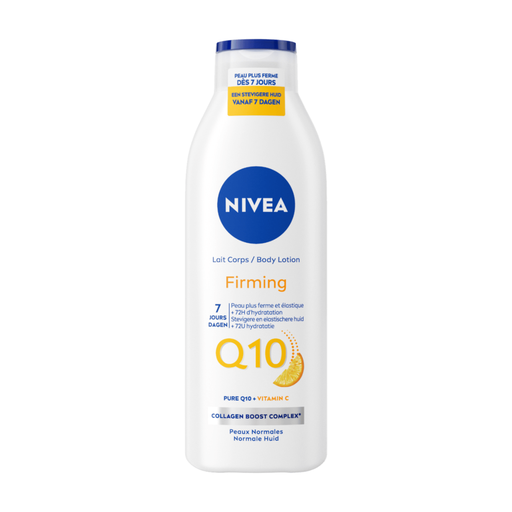
Why this suits the profile: A straightforward body lotion for anyone wanting to start daily body care without combining multiple products. The 250 ml pack is practical for home use.
The product information clearly states that it is a body care product for normal skin. This makes it less likely to be mistaken for a face cream.
Contains Q10 and sodium ascorbyl phosphate; the manufacturer claims up to 72 hours of hydration and dermatologically tested skin-friendliness.
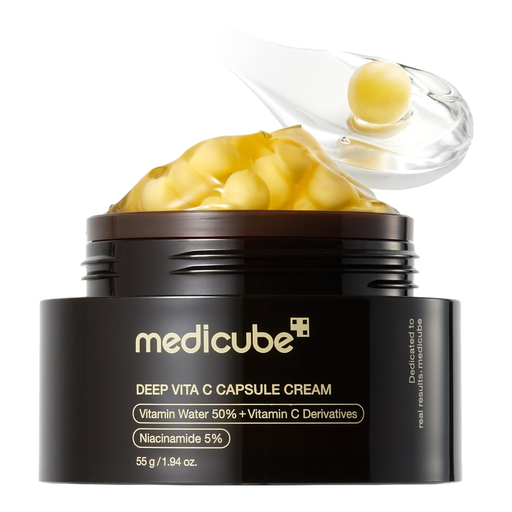
Why this suits the profile: Ideal for users who want to tailor their face routine to a lighter or richer texture and are looking for multiple active ingredients.
According to the product description, the formula consists of a gel component and a vitamin C capsule. You can adjust the ratio, but follow the instructions and test first on sensitive skin.
Contains niacinamide, panthenol, hyaluronic acid, Q10 and multiple forms of vitamin C; intended for face and neck.
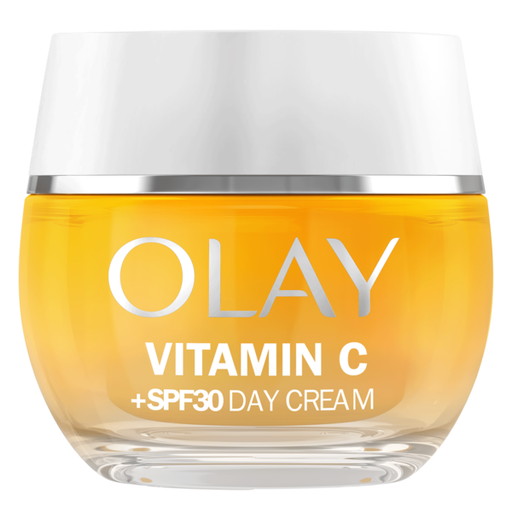
Why this suits the profile: Handy for anyone who wants a vitamin C day cream with niacinamide and SPF 30 in one morning step.
The product details state both the application area (face) and SPF 30. For prolonged or intense sun exposure, a separate sunscreen is still needed.
Contains vitamin C, 99% pure niacinamide according to the brand description, glycerine and SPF 30; the size is 50 ml.
We’ve put together a full, up-to-date list of products that fully meet these strict selection criteria and comply with current European safety regulations.
That depends on the full formula. Fragrance, alcohol denat., citrus oils, AHA and BHA may be less suitable for some users. Choose a simple formula, apply a small amount to a limited area of skin first, and stop if irritation occurs.
Many products are intended for daily use, but always follow the label. With an active formula, you might start by using it every other day. Use appropriate sun protection during the day, especially if the cream contains exfoliating acids or if your skin is sensitive to sunlight.
Check the expiry date and the period-after-opening symbol on the packaging. Store the cream according to the instructions, usually tightly closed and out of direct sunlight. Changes in smell, colour or texture are reasons to stop using the product.
