
Vandaag of morgen in huis

Kwaliteit gegarandeerd

Welkomstaanbiedingen ontgrendelen: GRATIS bezorging | Tot 80% korting | Gratis 30 dagen JoyPlus-proefperiode
Download de app
A vitamin C cream may suit anyone who wants to hydrate their skin every day and address a dull or uneven appearance. However, not every formula is the same. Some products are designed for the face, while others are intended for the body. The form of vitamin C, additional ingredients and sun protection can also vary considerably.
If you focus only on words such as “brightening”, “anti-ageing” or “firming”, you could easily buy a product that does not suit your skin or routine. Instead, pay particular attention to verifiable product information: the ingredients list, intended area of use, texture and usage warnings.
A vitamin C body lotion is designed for larger areas of skin and often has a different texture from a face cream. A body lotion containing Q10 and vitamin C may feel pleasant on the arms, legs and torso, but it is not automatically suitable for the sensitive skin around the eyes or for use as part of a facial skincare routine.
Vitamin C is available in various forms, including ascorbic acid, sodium ascorbyl phosphate and ascorbyl glucoside. Its position in the ingredients list provides general information about the formula, but does not tell you everything about the finished product’s performance or feel. Packaging, shelf life and the combination with other ingredients also play a role.
Product descriptions may, for example, refer to a brightening effect or support for the skin barrier. Such statements should be understood as brand claims, based on the brand’s own research or the cited product information. They are not a guarantee that the product will suit every skin type.
A day cream with SPF can be convenient for everyday use, but SPF 15 or SPF 30 does not always replace a separate sunscreen, particularly during prolonged exposure to the sun. Check that the cream actually states an SPF rating. An ordinary vitamin C cream without SPF does not protect against UV radiation.
As well as vitamin C, look for ingredients that match your skincare goals:
A formula containing several active ingredients is not automatically suitable for everyday use. If you are unsure, start with a small amount and test the product on a limited area of skin first. Stop using it if irritation occurs and avoid contact with the eyes.
For your face, choose a product with a clearly stated area of use, such as “face”, “face and neck” or “facial cream”. For dry legs, arms or elbows, a moisturising body cream is more practical. The NIVEA body products in this selection contain, for example, glycerine, Q10 and sodium ascorbyl phosphate and are intended for daily use on the body.
A gel cream can feel pleasant on combination or normal skin, while a richer cream may be more suitable when your skin feels dry. A night cream is generally designed to provide comfort and care without SPF. During the day, sun protection is important when your routine includes vitamin C, AHA or BHA.
Always read the instructions on the packaging. The recommended amount, shelf life and any warnings may vary from one product to another.
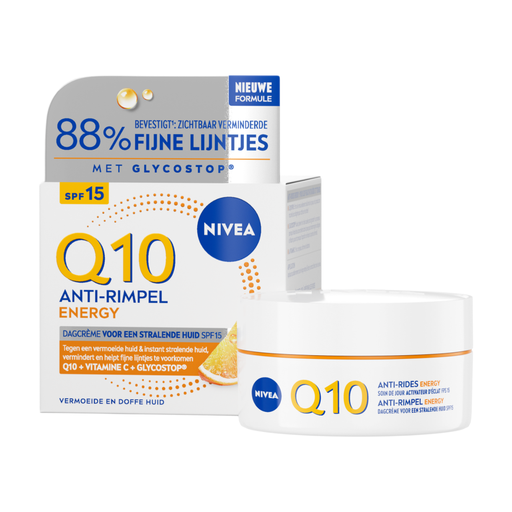
Why it suits this profile: A practical 50 ml day cream for anyone looking for hydration, Q10, vitamin C and basic SPF 15 protection in one product.
The intended area of use and SPF rating are clearly stated. SPF 15 provides a basic level of protection and is not a substitute for applying plenty of sunscreen in strong sunlight.
Contains Q10, sodium ascorbyl phosphate, glycerine and SPF 15; intended for daily use on the face and neck.
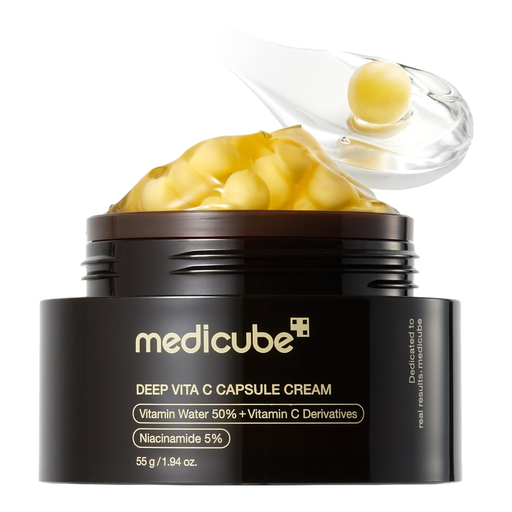
Why it suits this profile: Suitable for anyone wanting to try a more advanced facial formula with vitamin C derivatives, niacinamide and an adjustable gel-to-capsule ratio.
The two components are mixed before use. This makes the preparation method clearer than with a product where you have to guess how to use an active formula.
According to the product information, the product contains 5% niacinamide, sodium ascorbyl phosphate, hyaluronic acid, Q10 and several forms of vitamin C.
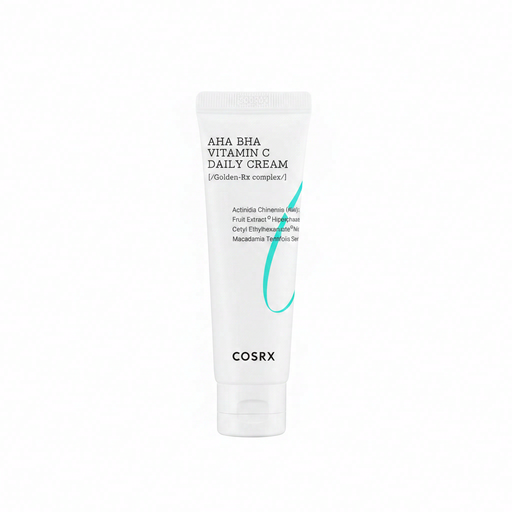
Why it suits this profile: For anyone who wants to combine AHA, BHA, niacinamide and panthenol with hydration in their daily facial skincare routine.
The product description explicitly mentions exfoliating acids. This makes it clear that you should introduce it gradually and use sun protection during the day.
Contains hyaluronic acid, panthenol, niacinamide and AHA/BHA; intended for use in the morning and/or evening.
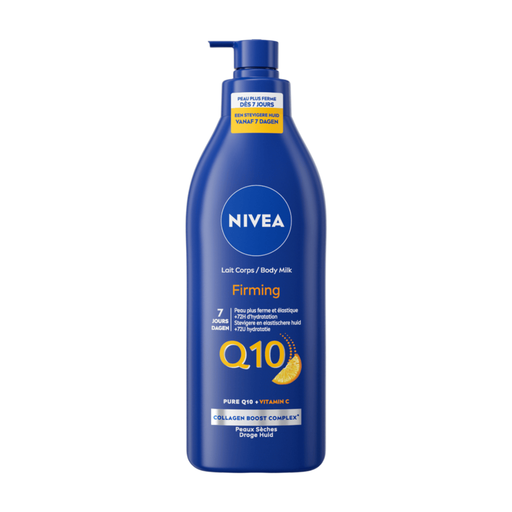
Why it suits this profile: Convenient for anyone looking for a larger bottle of body milk with a pump dispenser for daily use on dry skin.
It is clearly a body product rather than a facial product. The pump makes dispensing easy, but always check the ingredients if you are sensitive to fragrance.
400 ml capacity, glycerine, Q10 and sodium ascorbyl phosphate; according to the product information, suitable for daily use on the body.
We have put together a complete, up-to-date list of products that fully meet these strict selection criteria and the applicable European safety regulations.
That depends on the formula. A simple moisturising cream with a gentle form of vitamin C can be applied daily according to the usage instructions. Products containing AHA, BHA or salicylic acid require greater care. If necessary, start by using the product every other day and apply sun protection during the day.
Niacinamide and vitamin C are found together in several products, including some Olay and Medicube formulas. However, check the full ingredients list and avoid introducing several new active products at the same time. This makes it easier to identify which product may be irritating your skin.
Follow the expiry information on the packaging and check the recommended period after opening. Store the cream in a cool, dry place away from direct sunlight. A change in smell, colour or texture may be a reason to stop using the product. The exact shelf life varies by brand and packaging.
