
Vandaag of morgen in huis

Kwaliteit gegarandeerd

Welkomstaanbiedingen ontgrendelen: GRATIS bezorging | Tot 80% korting | Gratis 30 dagen JoyPlus-proefperiode
Download de app
Buying vitamin C may seem straightforward, but the range of products varies widely. If you are looking to support your daily vitamin intake, you will find vitamin C supplements, capsules, effervescent tablets and gummies. If you want to care for your skin, there are serums, creams and other forms of vitamin C skincare.
The right choice mainly depends on when you plan to use it, the dosage you want, your skin type and the ingredients list. Marketing terms such as “glow”, “high dose” or “anti-pigmentation” say very little on their own. Start by checking verifiable product information.
A product containing vitamin C 1000 mg provides 1250% of the European reference intake of 80 mg. That makes it a high-dose supplement, but not necessarily the right choice for everyone. Check the recommended daily amount and do not simply combine several products containing vitamin C.
For people with gastrointestinal sensitivity, a high intake may cause discomfort, according to the product warning. Use a supplement according to the label and consult a doctor or pharmacist if you take medication or have a known medical condition.
A vitamin C serum, face cream or other cosmetic product is intended for external use. It is not suitable for consumption and must not be presented as a treatment for a medical complaint. Products described as serum for pigmentation spots are cosmetics that may be intended to create a more even-looking complexion; results may vary from one skin type to another.
Also pay attention to additional ingredients. AHAs can increase sensitivity to sunlight. Therefore, use sun protection during the day and follow the warnings on the packaging.
A vegan vitamin C product contains no ingredients of animal origin, but this says nothing about whether it contains perfume, essential oils or other substances that may not suit sensitive skin. Always check the full ingredients list.
For supplements, the capsule shell is relevant: hydroxypropyl methylcellulose, or HPMC, is a plant-based capsule material. In skincare products, bergamot oil, lavender oil, limonene and linalool may be worth noting for sensitive users.
Choose the form that is easy for you to use every day:
A capsule containing 1000 mg, an effervescent tablet containing 600 mg and a gummy containing 80 mg are therefore not equivalent. Compare the amount per recommended daily dose, rather than just the name on the front.
Some supplements combine vitamin C with, for example, vitamin D3, zinc and selenium. This can be convenient if you want several nutrients in one product, but first check what you are already taking. A product containing magnesium and vitamins may also contain vitamin C, but usually in a different amount from a separate vitamin C supplement.
For cosmetics, look at the form of vitamin C used. Examples include ascorbic acid, 3-O-ethyl ascorbic acid and sodium ascorbyl phosphate. A higher percentage does not automatically mean that a product is better suited to your skin. Pure ascorbic acid at a higher concentration may feel more intensive; a gentler formula may be more practical for sensitive skin.
Vitamin C formulas can be sensitive to light, heat and air. Follow the brand’s storage instructions., for example, states that the product should be kept refrigerated and used within two months of opening. With any serum, close the packaging securely and check the expiry information on the label.
If you have sensitive skin, start with a small amount and test it on a limited area of skin first. Stop using it if persistent redness, itching or irritation occurs. Do not use a serum containing AHA or a high concentration of vitamin C on damaged or irritated skin.
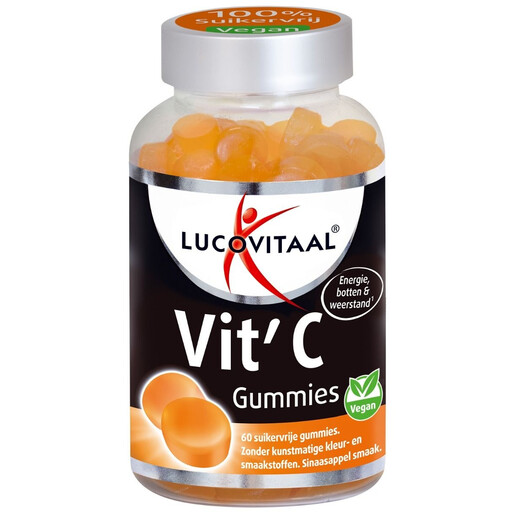
Why it suits this profile: The chewable format with natural orange flavour is an accessible option for adults who find capsules or tablets difficult to take.
The amount is clearly stated: 80 mg of vitamin C per gummy. This makes the dosage easy to check.
60 gummies, vegan according to the product specifications and sugar-free according to the product information.
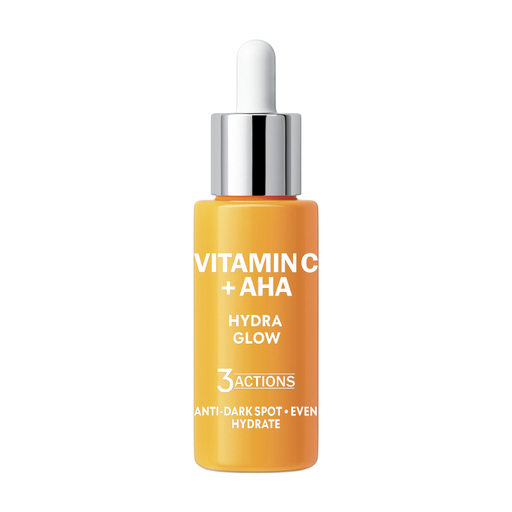
Why it suits this profile: This serum combines a vitamin C derivative, AHA, niacinamide and panthenol for anyone looking for several skincare benefits in one formula.
The ingredients and AHA warning are clearly stated. Use sun protection during the day and stop using it if irritation persists.
40 ml contents, niacinamide in the formula and, according to the product information, vegan and paraben-free.
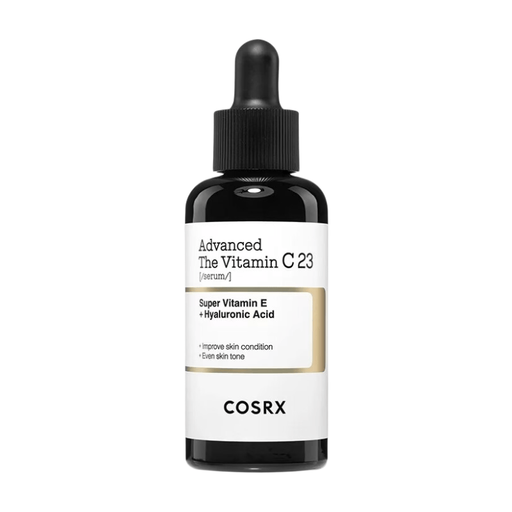
Why it suits this profile: According to the product information, the formula contains 23% ascorbic acid and is intended for users who deliberately choose a concentrated serum.
The concentration, recommended patch test and refrigerated storage instructions are clearly stated. Do not combine it with retinol or copper peptides without careful planning.
20 ml serum containing ascorbic acid, panthenol, squalane and hyaluronic acid according to the ingredients list.
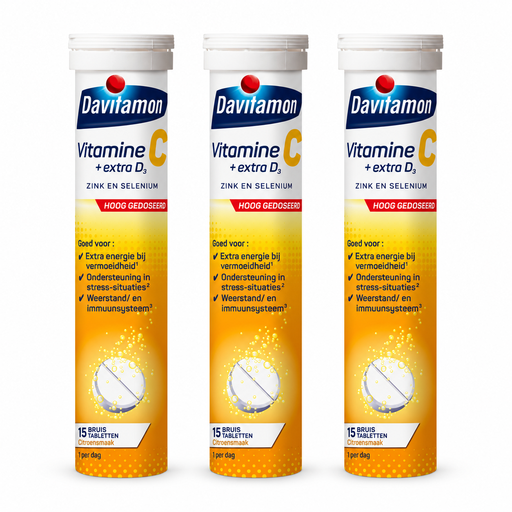
Why it suits this profile: The effervescent tablet is ideal for anyone who prefers to take vitamin C in water and wants several nutrients in one daily serving.
The daily serving is one tablet containing 600 mg of vitamin C. The formulation also lists vitamin D3, zinc and selenium.
45 effervescent tablets, lemon flavour and, according to the product information, sugar-free and free from lactose and gluten.
We have put together a complete, up-to-date list of products that fully meet these strict selection criteria and the applicable European safety regulations.
That depends on your preference. Capsules and tablets are compact and fragrance-free. Effervescent tablets suit people who want to take vitamin C with water. Gummies are easy to chew, but often provide a smaller amount per piece. Always check the dosage per recommended daily serving.
Store the serum according to the label, usually somewhere cool and dry, away from direct sunlight. Close the packaging securely after use. A product containing pure ascorbic acid may be particularly sensitive to oxidation. Look out for changes in colour or smell, and use the recommended period after opening as a guide.
This depends on the overall formulation and dosage. Check that you are not taking several supplements containing the same nutrients. If you take medication, are pregnant, have a medical condition or are unsure about combining products, it is advisable to consult a doctor or pharmacist.
