What should you look for?
Your existing camera or smartphone
When: if test shots with your current equipment already show the whole piece of glass and the details you need clearly.
Trade-off: a tripod helps you repeat your framing, but it won’t change the close-up capabilities of the lens you already have.
Compact camera with a close-up mode
When: if you want to work without changing lenses and the exact camera can capture the overall shots and close-ups you need.
Trade-off: a fixed lens limits your ability to choose a different lens later.
Mirrorless camera with a macro lens
When: if you want to capture small engravings, maker’s marks or signs of wear individually and at a larger size.
Trade-off: macro capability depends on the lens you choose, and the lens may take up space you need for lighting.
When photographing vintage glassware for an exhibition, reflections, small details, repeatable shots for a series and a simple setup can each be your first purchasing priority.
| Thing to consider |
What to look for when buying |
Who it matters most to |
| Reflections and the shape of the glass |
Allow space for soft lighting and a plain background; check that any filter you’re considering fits the exact lens. |
If I want to keep the shape and decoration of the glass recognisable, I assess reflections in a test shot. Around 36% of consumers make reflection control their top purchasing priority. |
| Engravings and signs of wear |
Compare the magnification of the exact lens or close-up mode, as well as the working space in front of the lens. |
If I want to show small maker’s marks individually, I check whether the crop captures enough detail without the lighting getting in the way. Around 29% of consumers make detail shots their top priority. |
| A consistent series |
Check that the camera can be mounted securely on a tripod and that the screen and controls are easy to use from your chosen setup. |
When I want to photograph several pieces of glass consistently, I look for repeatable framing and the same background. Around 21% of consumers put consistency first. |
| Keeping the complete setup simple |
Check the exact kit contents and first test whether your current equipment can capture the overall shots and detail crops you need. |
If I want to start with as little extra equipment as possible, I check exactly what the kit includes. Around 14% of consumers make keeping the setup simple their top purchasing priority. |
Cameras at Joybuy
This selection features cameras for general photography. Use test shots to assess whether the stated zoom or included lens gives you the framing you want for your glassware; the product title alone doesn’t confirm that a suitable macro function is available.
 No image available
Komery W6 digital camera, 12× optical zoom
If you want to compare an overall shot with a crop, use test shots to check whether the zoom gives you the framing you need.
The product title lists 12× optical zoom, 4K, WiFi and 64 MP; no macro magnification is specified.
View at Joybuy
 No image available
DJI Osmo Pocket 3
If you want to take stills with a camera that’s also marketed for video, first check whether the framing and controls suit your glassware setup.
The product title lists a 1-inch CMOS sensor, 4K/120fps video, 3-axis stabilisation and a 2-inch rotatable touchscreen.
View at Joybuy
 No image available
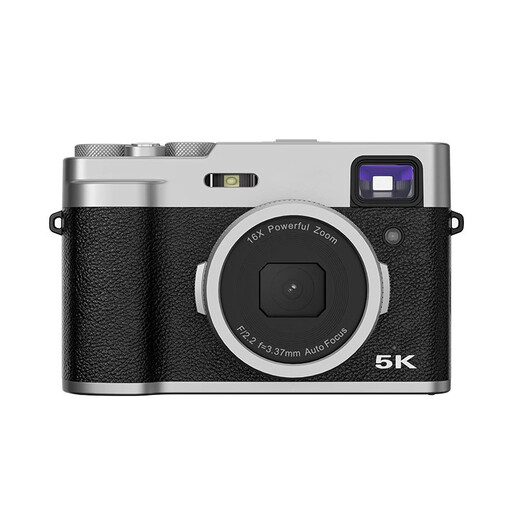
Songdian Retro digital camera, black
If you’re comparing cameras for your first photography setup, check with a test shot that the autofocus captures the details you want on the glass sharply.
The product title lists 48 MP, autofocus, 5K Ultra HD, a 2.8-inch LCD screen and an optical viewfinder.
View at Joybuy
 No image available
Sony ZV-E10 with 16–50mm zoom lens, black
If you want to try an interchangeable-lens setup, check whether the included zoom lens gives you the overall shots and detail crops you need.
The product information lists a 24.2 MP APS-C sensor and an included 16–50mm lens; no macro magnification is specified.
View at Joybuy
 No image available
Sony Alpha A6100 with 16–50mm f/3.5–5.6 OSS II
If you want to try taking overall shots and close-ups with an interchangeable lens, use test shots to see whether the included lens gives you the crops you need.
The product information lists a 24.2 MP sensor, an electronic viewfinder, a touchscreen and an included 16–50mm lens. No macro magnification is specified.
View at Joybuy
Frequently asked questions
Do you need to buy a new camera to photograph an engraving?
Not necessarily. First, try a close-up with your current camera. If the crop isn’t detailed enough, compare the magnification of the exact lens or close-up mode rather than looking only at the megapixel count.
How can you photograph a series of glassware consistently?
Keep the framing, background and lighting setup the same. According to Canon’s product photography guide, a tripod helps you repeat the composition for each shot.
Will a polarising filter always help with reflections?
No. Canon explains that a suitable filter can reduce reflections on glass, not that it will eliminate every reflection. Compare test shots with and without a filter, and check that it fits your chosen lens.
What are your rights if a camera bought online is faulty?
According to ACM ConsuWijzer, when you buy as a consumer, the seller must provide an appropriate free solution if the product doesn’t work as you could reasonably expect under normal use. Online purchases generally also come with a 14-day cooling-off period after delivery, subject to legal exceptions.
Can you use someone else’s photos in your exhibition?
According to the Dutch government, you generally need the creator’s permission to publish other people’s copyright-protected photographs. This information doesn’t automatically determine what rights apply to your own photograph of a particular glass design.


