What should you look for when buying?
Start by taking test shots with your current device under the lights you use. Then consider what additional control, lens or level of detail you actually need.
| What to consider |
What to look for when buying |
Who this matters to |
| Reflections and banding |
Test with your own lights and a stable set-up; check the shutter settings for the exact camera model. |
If I’m photographing shiny metal parts, I want to manage reflections and possible banding under my own lights before replacing the camera body. Around 33% of consumers give lighting and reflections top priority. |
| Colour reproduction |
Check the white balance; see whether RAW capture is available if you want to adjust colours afterwards. |
If the colour of the paintwork and covering needs to look true to life, I want to keep the exposure consistent between shots and be able to assess any colour cast. Around 25% of consumers prioritise colour accuracy. |
| Small details |
Compare the maximum magnification of the specific lens, and check the working distance and what’s included in the kit. |
For a serial number or small mark of wear, I want to know how large the lens will render the detail and how much room there’ll be for the lighting. Around 25% of consumers prioritise small details. |
| Whether a new kit is worthwhile |
Take test shots with your current device first; then compare complete camera body and lens combinations. |
If my current device already takes usable overview shots, I want to know exactly what a different camera body and lens would add. Around 17% of consumers prioritise the additional benefits of a new kit. |
Joybuy cameras for this subject
A selection of Joybuy products relevant to this subject. For each model, check whether the lens, controls and close-up performance you want are suitable for your vintage camera set-up.
 Image unavailable
Komery W6 digital camera
The product title lists 12× optical zoom; check whether the controls and framing options suit your set-up.
12× optical zoom
4K
Joybuy
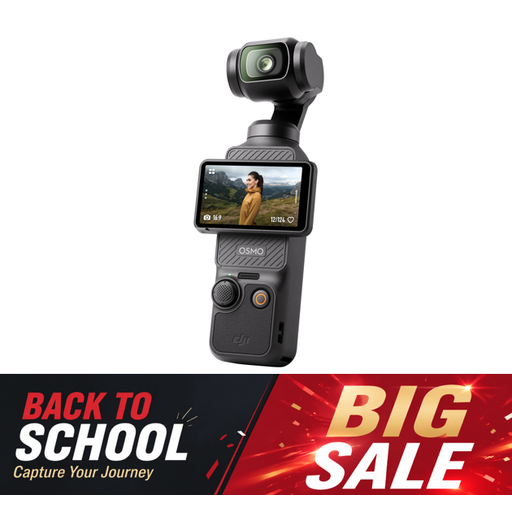 Image unavailable
DJI Osmo Pocket 3
The product title describes this model as a camera for photography and vlogging; consider whether it’s suitable for a fixed product photography set-up.
1-inch CMOS sensor
4K/120fps video
3-axis stabilisation
Joybuy
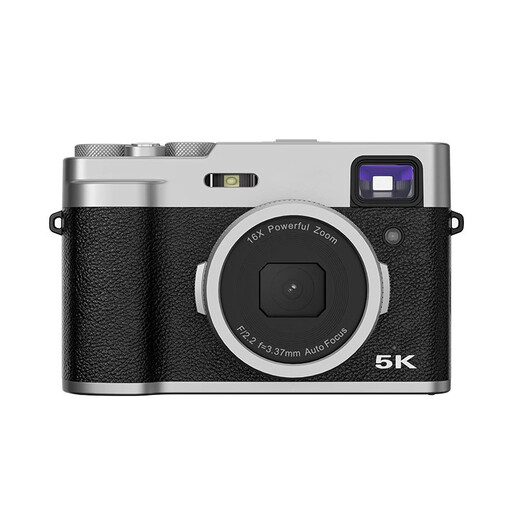 Image unavailable
Songdian Retro digital camera, 48MP
The product title lists autofocus and an optical viewfinder; check whether the controls suit the framing you need.
48MP
Autofocus
Optical viewfinder
5K Ultra HD
2.8-inch LCD screen
Joybuy
 Image unavailable
Sony ZV-E10 with 16–50mm zoom lens
The zoom lens can help you choose different framings; check separately whether its close-up performance meets your needs.
APS-C sensor
Supplied 16–50mm lens
Joybuy
 Image unavailable
Sony Alpha A6100 with 16–50mm f/3.5-5.6 OSS II
The supplied zoom lens is designed for a range of framings; check whether its close-up performance suits the level of detail you need.
24.2 MP APS-C sensor
16–50mm f/3.5-5.6 OSS II lens
Joybuy
Frequently asked questions
Do I need a macro lens straight away for overview shots?
Not necessarily. First, see whether you can fit the whole camera in the frame and get it in focus with your current lens. Magnification becomes more important for small lettering. Canon lists a maximum of 0.16× with autofocus for the RF-S 18-45mm at 45 mm, compared with 0.5× for the separate RF 35mm Macro.
What can I do if stripes appear under my lights?
Take test shots under the lights you actually use and compare the available shutter settings. Canon explains that certain LED and fluorescent lights can cause banding when using an electronic shutter; Sony also describes banding caused by flickering light sources. The setting that helps will depend on your camera and lights.
How can I keep photos of several vintage cameras consistent?
Keep the camera, subject and lighting in the same positions as much as possible, and check the colour under the same light. A tripod helps you keep the framing consistent while you adjust the set-up. Adobe explains how a white or grey reference can help you assess a colour cast when editing RAW files.
What should I check when buying a camera or lens in the Netherlands, including after-sales service?
Check what’s included in the bundle and who the seller is. According to the Dutch government, online purchases from a business generally come with a 14-day cooling-off period; this does not apply in the same way to purchases from a private seller. If a product is faulty, the seller must offer a solution. The Dutch government states that the Netherlands has no fixed statutory guarantee period.


