
Vandaag of morgen in huis

Kwaliteit gegarandeerd

Welkomstaanbiedingen ontgrendelen: GRATIS bezorging | Tot 80% korting | Gratis 30 dagen JoyPlus-proefperiode
Download de app
Vinegar may seem like a simple product, but the differences between bottles are vast. One vinegar is clear and sharp, while another is dark, mellow and slightly sweet. The ingredients, origin, ageing and quantity can also vary enormously.
If you only look at words like “traditional”, “natural” or “aromatic”, you could end up buying a product that doesn’t suit the dishes you have in mind. With these practical selection points, you can compare vinegars based on verifiable information and make a more informed choice.
“Apple vinegar” can be made from fermented apple juice, but it can also contain water, apple concentrate, acidity regulator or flavouring. Always check the ingredients list. According to the product information, Sempio Apple Vinegar contains purified water, natural vinegar, apple extract and acetic acid. Sera Apple Vinegar lists apple vinegar made from fermented apple juice as an ingredient.
There are also differences with grape vinegar. According to the product description, Sera Grape Vinegar consists of brandy vinegar, grape flavouring and antioxidant E223. That’s quite different from a vinegar made solely from fermented grape juice.
An aged vinegar typically develops a fuller flavour profile, but it can be too pronounced for a light dressing. A Chinese black vinegar, such as Zhenjiang vinegar, works well with dumplings, noodles, stews and stir-fries. For a fresh salad, an apple vinegar, lemon vinegar or mild rice vinegar would be a more logical choice.
Also pay attention to the precise product information. Zheng Shun Zhenjiang Aged Vinegar states an ageing period of three years. According to the product information, Heng Shun Zhenjiang Aromatic Vinegar is aged for six years. That detail is useful for comparison, but it doesn’t solely determine how you’ll experience the taste.
A 820 ml bottle may seem appealing for everyday use, but it’s less practical if you rarely cook Asian food. Also check the storage advice. Some products need to be refrigerated after opening, while others can be kept in a cool, dry place. Seal the bottle tightly and check the best-before information on the packaging.
First, look at the base ingredients:
Check gluten information when wheat bran, barley or other grains are listed. According to the label, Zhengshun Zhenjiang Vinegar contains wheat gluten. Hengshun Cold Vinegar, on the other hand, lists no allergens in the product information. Sulphites can occur in balsamic vinegar; g’woon Aceto Balsamico Di Modena lists sulphites as an allergen.
The total acidity isn’t always stated in the same way on every bottle. For example, Zheng Shun Zhenjiang Aged Vinegar indicates a total acidity of at least 5.50 g per 100 ml. Taixi Yongchun Aged Vinegar states 6.5 g per 100 ml. A higher acidity can give a more pronounced sour impression, but the final flavour also depends on ageing, sugar, salt and raw ingredients.
Also compare the nutritional values. Balsamic vinegar often contains more sugar than a simple natural vinegar due to the grape must. g’woon Aceto Balsamico Di Modena states 29 grams of sugar per 100 grams. That makes this variant different from, say, an unsweetened vinegar for salads.
Choose the volume based on how you’ll use it:
Use vinegar as a dressing, marinade, dipping sauce or cooking acid according to the instructions on the label. Product claims about, for example, digestion or health benefits should not be taken as fact; this buying guide focuses on flavour, composition and culinary use.
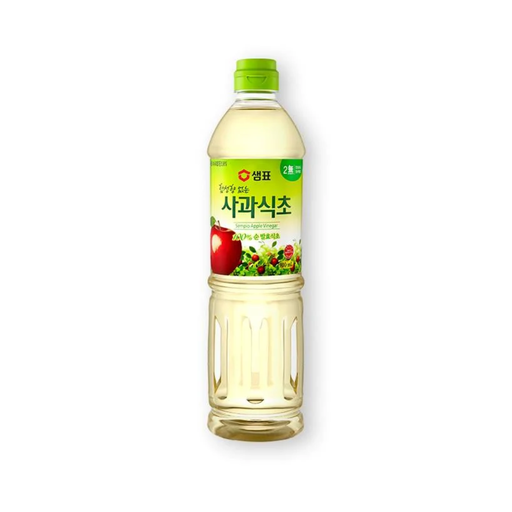
Why this suits the profile: A 500 ml bottle with an apple note for dressings, simple marinades and everyday cooking.
The product information clearly lists the ingredients and allergens, so you don’t have to rely solely on the name “apple vinegar”.
500 ml volume; according to the product information, free from the 14 main EU allergens.
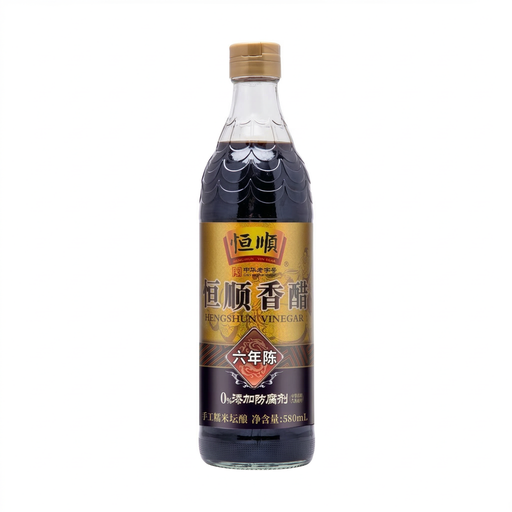
Why this suits the profile: Aimed at enthusiasts of a complex Asian vinegar for dumplings, seafood, salads and braised dishes.
The product information states an ageing of six years and a concrete ingredients list, rather than just a general flavour promise.
580 ml; according to the product information, made with glutinous rice, wheat bran and rice yeast.
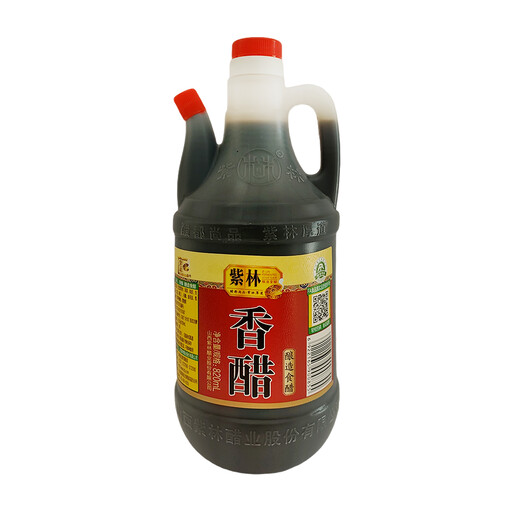
Why this suits the profile: The large bottle is practical for anyone who regularly makes Asian dishes, dipping sauces, soups and stir-fries.
The 820 ml volume matches frequent use; just check beforehand whether gluten is a concern in your diet.
820 ml; according to the label, with sorghum, wheat bran, barley, peas, sugar and spices.
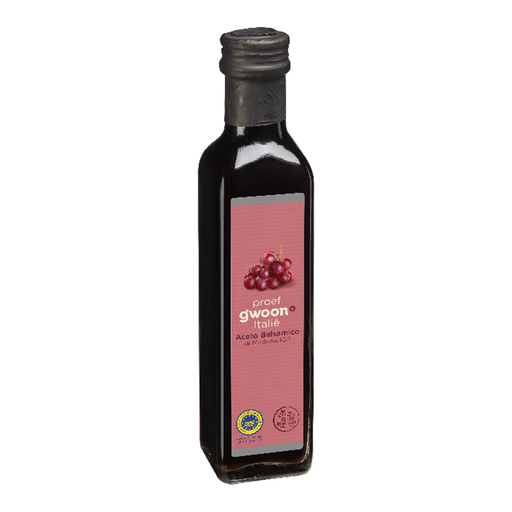
Why this suits the profile: A compact balsamic vinegar for salads, marinades, vegetables and dishes where a sweeter, thicker touch is desired.
The composition mentions wine vinegar and cooked grape must, so you can distinguish the sweeter style from a neutral table vinegar.
250 ml; 29 grams of sugar per 100 grams according to the product information; sulphites are listed as an allergen.
We’ve put together a full, up-to-date list of products that fully meet these strict selection criteria and current European safety regulations.
That depends on the flavour you’re after. Apple vinegar is fruity and fresh, rice vinegar is generally mild, and balsamic vinegar gives a sweeter, fuller dressing. Lemon vinegar works well with light vegetable and fish dishes. Check the ingredients and sugar content if you want a less sweet dressing.
Always follow the label. Some products recommend a cool, dry place, while certain mild vinegar variants, for example, need to be refrigerated after opening. Seal the bottle tightly and use a clean spoon or pouring spout to limit contamination.
The shelf life varies by product and is stated on the packaging. Store vinegar away from direct sunlight and keep the lid tightly closed. Changes in colour or sediment can occur with traditionally brewed and aged vinegars; if in doubt, check the product information and smell before using the vinegar.
