
Vandaag of morgen in huis

Kwaliteit gegarandeerd

Welkomstaanbiedingen ontgrendelen: GRATIS bezorging | Tot 80% korting | Gratis 30 dagen JoyPlus-proefperiode
Download de app
The Asian grocery aisle can be overwhelming. Dozens of packages of Vietnamese noodles, all looking similar, yet fundamentally different. The wrong choice can completely alter your authentic pho soup or fresh spring rolls. Many home cooks fall into the same traps: they buy a noodle that's too thick or too thin for their recipe, or they overlook crucial details on the ingredients list.
Before you toss a random package into your cart, it's helpful to know the most common missteps. This will prevent you from wasting money on noodles that don't deliver the desired result.
To choose the right Vietnamese rice noodles, you only need to pay attention to a few concrete characteristics. These determine how the noodle will behave in your dish.
The shape of the noodle is directly linked to the dish it's intended for. The three main types you should know are:
Most Vietnamese rice noodles consist of just three simple ingredients: rice flour, water, and a little salt. This results in a soft, delicate texture. These pure rice noodles are naturally gluten-free noodles, making them an excellent option for people with gluten intolerance.
Sometimes, tapioca starch is added to the mixture. This gives the noodles a slightly firmer and chewier bite. There's no right or wrong; it's a matter of personal preference and what the recipe requires. For a soft, supple texture in pho, 100% rice is often preferred. For a stir-fry, a noodle with tapioca might be better because it holds its shape more effectively. So, always check the back of the package.
Based on these objective criteria, we have selected a number of products that suit different home cooks and their needs for Vietnamese ingredients.
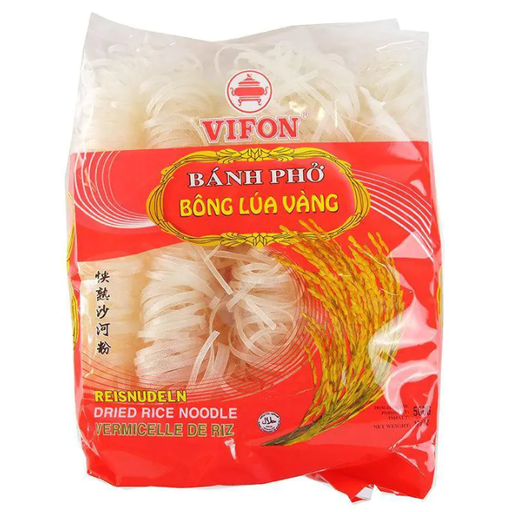
Why This Fits Their Persona: Ideal for anyone wanting to make an authentic bowl of pho for the first time. These noodles have the correct flat shape and a 5 mm thickness that is perfect for soaking up a rich broth, without you having to worry about them getting too soft.
This ensures you buy the right kind of pho noodles right away, avoiding the mistake of using thin vermicelli, which quickly turns mushy in hot soup.
Made from quality rice for a smooth, soft texture. The noodles cook evenly and hold up well in the hot soup.
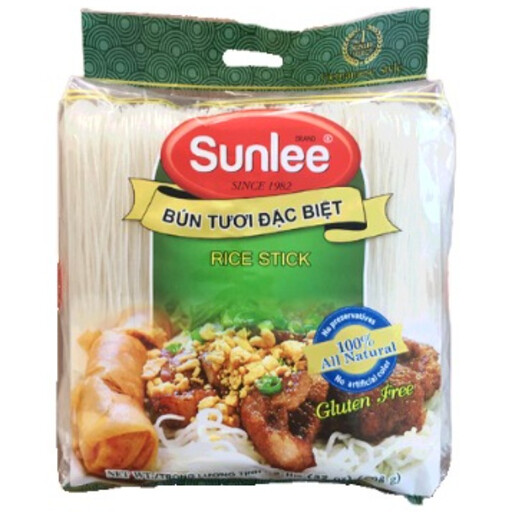
Why This Fits Their Persona: This thin, round rice vermicelli (bún) is the standard for fresh noodle salads and as a filling in fresh spring rolls. The texture is light and mixes perfectly with herbs, vegetables, and dressing without being overpowering.
You avoid using noodles that are too thick or flat, which would disrupt the delicate balance of a salad or spring roll and make the dish unnecessarily heavy.
Made from 100% rice for a pure flavour. The large 908g package is practical and economical for those who regularly buy Asian groceries.
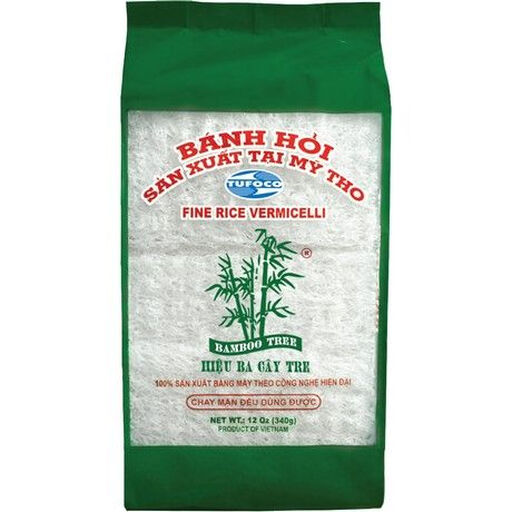
Why This Fits Their Persona: For the cook who looks beyond pho and spring rolls. These unique, woven banh hoi noodles are intended for specific dishes and show that you appreciate the finer points of Vietnamese cuisine. Perfect for steaming and serving with grilled meat.
You're not just buying 'thin noodles', but a specific product for an authentic texture that cannot be achieved with regular loose vermicelli.
Provides an exceptionally soft, silky texture after steaming. The mats are easy to portion and look impressive on the plate.
We have compiled a complete, up-to-date list of products that fully meet these strict selection criteria and UK regulations.
The main difference lies in the texture and ingredients. Vietnamese rice noodles are typically made from only rice flour and water, which gives them a soft and delicate structure. Thai rice noodles, like those for Pad Thai, often also contain tapioca starch. This gives them a firmer, more elastic, and chewy bite that holds up well to intense stir-frying.
The golden rule is: rinse with cold water immediately after cooking. Cook the rice vermicelli according to the package directions (usually just a few minutes). Drain them in a colander and immediately rinse them thoroughly with cold running water. This not only stops the cooking process but also washes away the excess starch that causes sticking.
Most traditional, dried Vietnamese rice noodles made exclusively from rice flour are indeed gluten-free noodles. However, it is always wise to check the ingredients list. Some instant noodles or noodles with added flavourings may contain wheat or other gluten-containing ingredients. If you follow a strict gluten-free diet, choose a product that is explicitly labelled "gluten-free" or whose ingredients list only contains rice, water, and salt.
