For a permanent mixing table, an adjustable, diffused LED panel is a practical starting point if you can position it out of shot. If you have room for a stand, you could also consider a COB light with a suitable softbox for more control over the light. Compare the stated colour-rendering figures and check how the light falls on your own work surface. Keep the white balance consistent while filming, and record a test clip at your chosen dimmer setting. When considering a specific listing, also check the version, power supply, light modifier and which EU conformity requirements apply to that version.
Who is this choice relevant to?
A teacher who wants to show paint colours accurately
You want to show the colour you create and avoid changes to the lighting or camera white balance between mixing steps. Nikon explains how to set the white balance to match the colour rendering of a scene.
A creator with a permanent mixing table
You want to keep your hands, paint and the entire work surface in view without the light or stand getting in the way of mixing. Canon explains how positioning the key and fill lights affects the shadows on a subject.
A creator with a changing home set-up
You set up your filming space each time or have to contend with changing daylight. In that case, adjustability, power supply and resetting the camera all matter.
What should you look for when buying?
Diffused LED panel
A good fit if: you can light a permanent, compact mixing table from the side or at an angle from above.
Bear in mind: check whether the version you choose includes a stand and whether the light reaches the whole work surface.
COB light with softbox
A good fit if: you have room for a stand and want to set up a larger or more focused light source.
Bear in mind: you may need to buy the softbox separately. A brightness figure measured with a reflector does not tell you how much light will reach your table through a softbox.
| What to consider | What to check before buying | Who is this important for? |
|---|
| Recognisable paint colours |
Compare the stated CRI and TLCI figures and adjustable colour temperature for the exact version. Test the paint you use under your chosen light before filming. |
I want the paint colours to remain recognisable between mixing steps; around 29% of consumers give colour recognition top priority. |
| Coverage of the mixing area |
Check the size of the illuminated area, positioning options and whether a diffuser, stand or softbox is included. Record a test shot while mixing. |
I want to follow my hands and materials across the whole table without distracting shadows; around 23% of consumers prioritise even coverage. |
| Flicker or banding |
Test the light with your own camera at the intended dimmer setting and recording settings. Check how it looks with moving hands and even areas of paint, too. |
I want to record the lesson without visible flicker or bands; around 18% of consumers prioritise stable video footage. |
| Changing ambient light |
Check whether you can adjust the colour temperature. Set the lighting before filming and adjust the camera white balance. |
I want to prevent daylight or other room lights from changing the colours while filming; around 18% of consumers make adapting to ambient light their top priority. |
| Set-up and power |
Check what is included with the exact version and plan where the stand, power supply and cables will go in relation to your hands and work table. |
I want to be able to move or set up the light quickly; around 12% of consumers give a compact, practical set-up top priority. |
Common buying mistakes
-
Assuming CRI guarantees accurate paint colours
A stated colour-rendering figure on its own does not tell you how the paint, lighting, camera white balance and screen will work together.
Compare the specifications for the exact model, set the white balance before filming and review a test clip featuring your own paint.
-
Comparing a COB light’s reflector rating with a softbox set-up
The stated lux figure for the amaran 100x S is measured with the standard reflector; it is not a measurement of the light reaching your table through a softbox.
Check the measurement set-up, mount and box contents before assuming the light modifier is included with the light.
You may need to buy a suitable softbox and possibly a stand separately.
-
Assuming every version comes as a complete kit
What’s included can vary by version: NEEWER offers the NL660 with or without a stand, while SmallRig says a compatible PD charger for the RC 60B must be purchased separately.
Check the parts list for the exact version, not just the product family or title.
-
Assuming LED lights will film without banding at every dimmer setting
LED lighting can cause flicker or bands in the footage when used with certain camera settings.
Before your lesson, record a short test using the actual dimmer and camera settings you plan to use.
Brands and models to consider
amaran
The 100x S is an adjustable bi-colour COB light with a Bowens mount, for use with a separately selected light modifier.
- amaran lists CRI 95+, TLCI 97+ and an adjustable range of 2700–6500 K for the 100x S.
- The listed box contents include a reflector and mains power supply, but no softbox. The colour figures are manufacturer specifications, not an independent test of paint colours on video.
Godox
The SL60IIBi is a bi-colour COB light with a Bowens mount, for anyone who wants to choose a separate softbox.
- Godox specifies 2800–6500 K, CRI ≥96 and TLCI ≥97 for the SL60IIBi.
- The stated light output is measured at one metre with the standard reflector; it is not a measurement of the light reaching your table through a softbox.
NEEWER
The NL660 is an adjustable LED panel for a permanent mixing table that you want to light from the side or at an angle from above.
- NEEWER specifies 3200–5600 K, CRI ≥96 and a diffuser.
- NEEWER says the included stand varies by version: it comes with ‘with Stand’, but not ‘Only’. Batteries for wireless use are not included.
SmallRig
The RC 60B is a compact bi-colour COB light for a filming space that you move regularly.
- SmallRig lists a built-in battery, 2700–6500 K and CRI 97+/TLCI 98+.
- The stated maximum battery life is 45 minutes at full power. SmallRig says a compatible USB-C PD charger must be purchased separately. Also check which diffuser and version you are choosing.
Nanlite
According to the manual, the FS-150B is a bi-colour alternative for a mains-powered set-up.
- Nanlite’s manual lists 2700–6500 K, average CRI 96, average TLCI 97 and a stated power consumption of 175 W for the FS-150B.
- When considering a specific listing, check which light modifier and power supply come with that version, and which product requirements apply.
Video lighting at Joybuy
This selection includes COB lights with bi-colour adjustment and compact, rechargeable LED lights for a moveable filming space.
 No image available
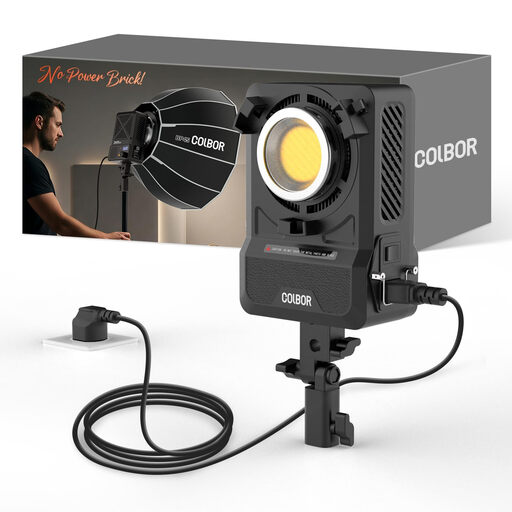
COLBOR 200W COB video light with Bowens mount
Suitable for a set-up where you choose a compatible light modifier yourself.
Product details list 200 W, bi-colour 2700–7000 K, CRI/TLCI 96+ and a built-in mains power supply.
View at Joybuy
 No image available
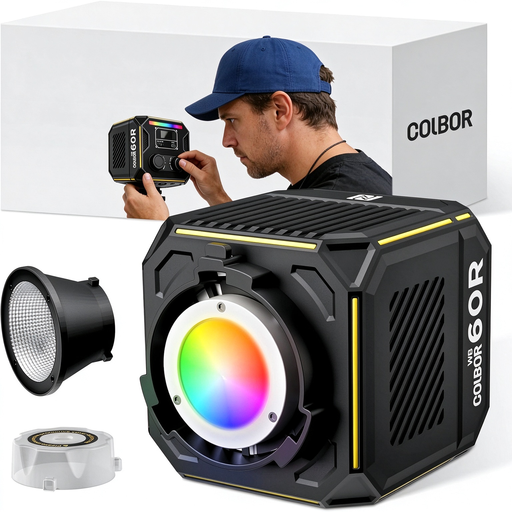
COLBOR 60W portable COB video light
Suitable for a filming space you move around, where you want to adjust bi-colour or RGB lighting.
Product details list a built-in 59 Wh battery, 2700–6500 K and CRI 96+. According to the product information, battery use requires a 60W PD charger rated at 20V/3A.
View at Joybuy
 No image available
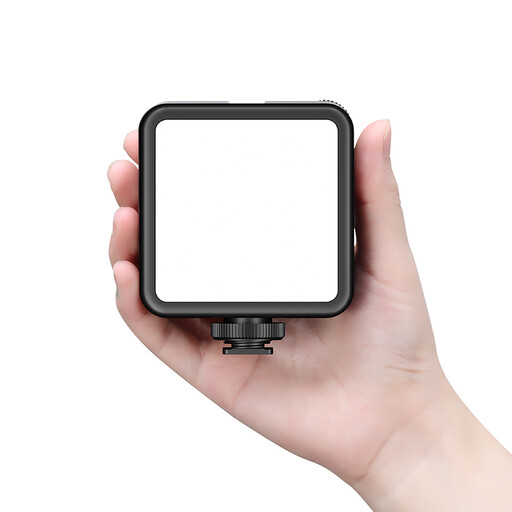
Ulanzi VL81 rechargeable LED video light
Suitable for a set-up where you need a rechargeable LED video light.
View at Joybuy
 No image available
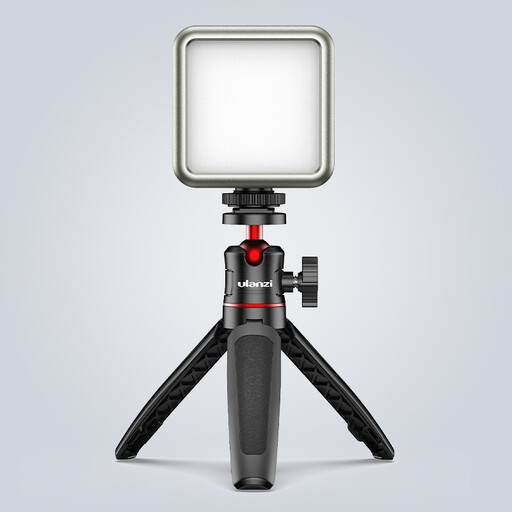
Ulanzi VL49 RGB video light
Suitable for a compact filming space where you want RGB lighting and an adjustable colour temperature.
The product title lists 2500–9500 K, a 2000 mAh battery and a magnet on the back.
View at Joybuy
 No image available
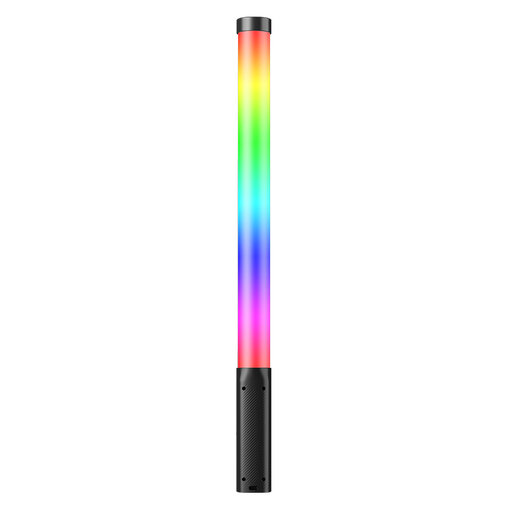
Ulanzi VL119 10W RGB light wand
Suitable for a moveable set-up where you need a light wand with adjustable colour temperature.
Product details list 10 W, 2500–9000 K, CRI 95, a 3300 mAh battery and a 1/4-inch mount. The stated operating time is up to 60 minutes at maximum brightness.
View at Joybuy
Frequently asked questions
Should you use a flash or continuous lighting for your lesson?
Choose continuous lighting if you are filming the mixing as a continuous video, so you can assess the exposure as you move. Then record a test clip using the camera and dimmer settings you plan to use for the lesson.
How should you set up the lighting before mixing colours?
Position the light so your hands and materials do not keep casting shadows over the mixing area. Set the ambient lighting and camera white balance before filming. A white or neutral reference surface can help you assess the setting you have chosen. Check the result on screen before recording the lesson.
Which parts should you check when buying a lighting kit?
For each exact version, check whether a stand, diffuser or softbox, mains power supply, battery and any charger are included. NEEWER lists the NL660 in versions with and without a stand; SmallRig says a compatible PD charger for the RC 60B must be purchased separately.
What cooling-off period and warranty apply to an online purchase in the Netherlands?
ACM ConsuWijzer states that you generally have 14 days to change your mind from the date of delivery, subject to statutory exceptions. The legal guarantee is separate from any voluntary manufacturer’s guarantee: if a product does not perform as you could reasonably expect under normal use, contact the seller to find a suitable solution.
Can any imported video light be sold in the Netherlands without further checks?
No. According to Your Europe, CE marking is only compulsory for products covered by harmonised EU rules. Check which requirements apply to the specific light and included power supply; a statement for one model does not automatically confirm that another version complies.


