
Filming reflective coins
You want to show the shine and relief without the window, camera or lamp being conspicuously reflected in the coin. PCGS explains how reflections and colour casts from ambient light can show up in coin photography.


When filming shiny coins, start by controlling the angle of reflection: more light output won’t stop a lamp appearing as a bright spot on the coin’s surface. Choose a compact fill light for a small, portable setup, a panel for a larger area of light, or an adjustable COB light if you want to actively shape the light. Record a test clip with your own camera and check the CE marking on the exact version being offered.
You want to show the shine and relief without the window, camera or lamp being conspicuously reflected in the coin. PCGS explains how reflections and colour casts from ambient light can show up in coin photography.
You want to be able to adjust the brightness or colour temperature of the fill light when the light from the window changes. Godox, amaran and MOJOGEAR describe adjustable colour temperature for specific lamp models.
You have limited space and want to move a lamp around or attach it to a compatible mount. Ulanzi lists mounting options for specific models; check that they’ll fit your mount.
Choose this if: you’re filming a single coin up close and want to move the light easily.
Bear in mind: the small light source may appear as a distinct reflection, so the angle still matters.
Choose this if: you want to light a larger area of your table or several coins.
Bear in mind: a larger light source may also appear larger in a reflective coin.
Choose this if: you want to actively adjust the direction and shape of the light to show the relief.
Bear in mind: check which reflector or diffuser suits the setup you have in mind.
Choose this if: the coin already gets enough light and you want to try adjusting the position of the coin, camera or reflector first.
Bear in mind: it’s harder to keep window light consistent during a longer recording.
| What to consider | What to look for when buying | Who is this important for? |
|---|---|---|
| Reflections and relief | Test the same coin with different lamp settings and check the shine, relief and reflections in a test clip. | If you film reflective coins, you’ll want to change the angle of the light without losing sight of the relief. Around 40% of consumers prioritise controlling reflections. |
| Changing window light | Check whether the brightness and colour temperature of the exact model can be adjusted. | If daylight changes while you’re filming, you’ll want to adjust the fill light to get a usable image. Around 30% of consumers prioritise having extra light to compensate for changing window light. |
| Flicker in video | Record a test clip at the dimming level and shutter speed you plan to use. | To avoid stripes or changes in brightness, test the light with your own camera settings. Around 20% of consumers prioritise recording without visible flicker. |
| Positioning and power | Check the mounting options, the mount you’ll need and whether the power supply suits the length of your recording sessions. | If you have limited table space, you’ll want to position the lamp close to the coin and move it easily. Around 10% of consumers prioritise a compact, portable setup. |
A large, soft light source can still be visible in a reflective coin. Light that’s too flat can also make the relief less distinct.
Assess the same coin from different lighting positions before choosing a diffuser or extra lamp.
The lux figure for the amaran COB 60x S is given with a specific reflector at 1 metre; MOJOGEAR gives a figure in lumens for the Lumi. These measurements and testing conditions aren’t directly comparable.
Only compare figures that use the same unit, distance and light modifier. Also consider whether the light distribution suits your coin and tabletop setup.
Ulanzi sells a VL49 RGB with adjustable white light, as well as a separate VL49 with a fixed 5500 K. The name alone doesn’t mean the versions are the same.
Check the full product name and the specifications for the version being offered.
According to ACM ConsuWijzer, the statutory guarantee is separate from any manufacturer’s warranty and depends on what you could reasonably expect from the product.
Keep your proof of purchase and the product description, and contact the seller if there’s a fault.
The P260C Pro is a bi-colour panel to consider if you’re looking for a larger area of supplementary light.
The COB 60x S is an adjustable bi-colour light with a Bowens mount, for a setup using your chosen light modifier.
The VL49 RGB and VL81 are examples of compact lights for a small tabletop setup.
The Lumi Bicolor 12W Medium is a portable, adjustable panel for anyone looking for a middle ground between a mini light and a larger studio setup.
These models are suited to a compact, portable fill-light setup. Before use, check the CE marking on the exact version being offered; according to the Netherlands Food and Consumer Product Safety Authority, CE marking is required for electrical products.
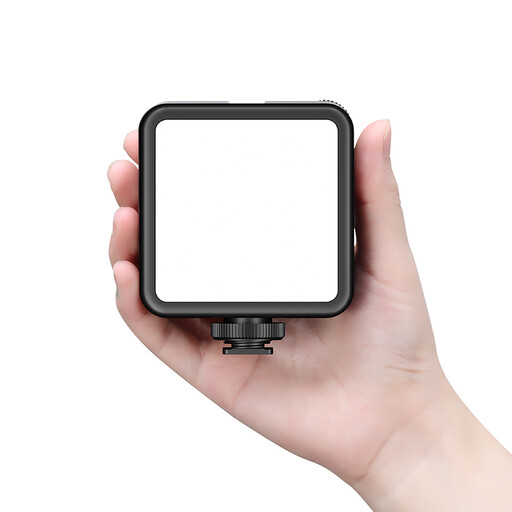 No image available
A compact fill light you can position close to the coin when you want to adjust the amount of light.
Ulanzi lists a colour temperature range of 3200–5500 K, dimming and three shoe mounts for the VL81.
Check that the mount is compatible with the one you plan to use.
 No image available
A compact RGB light for a small setup where you want to move the light close to the coin.
The product name lists a 2000 mAh battery. Ulanzi gives a range of 2500–9000 K for the VL49 RGB, while a Joybuy listing we found states 2500–9500 K; check the range for the exact version.
Also check that the version being offered is the VL49 RGB, not the separate VL49 with a fixed 5500 K.
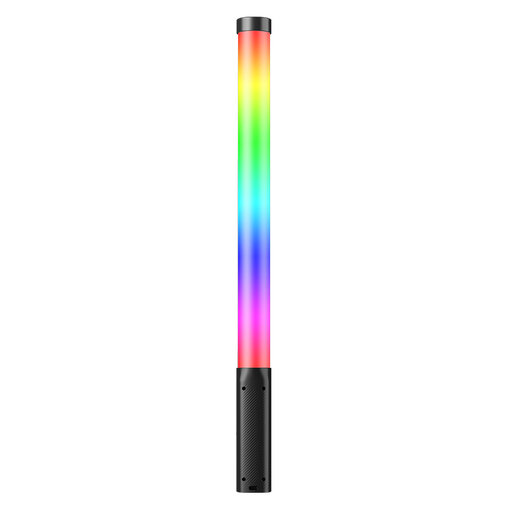 No image available
An RGB light wand to consider as supplementary lighting in a portable video setup.
The product name lists RGB and 10 W. Before recording, check whether the light’s position and selected setting create reflections on the coin.
 No image available
A mini fill light for a compact setup where you want to position the light source close to the coin.
The product name lists a 500 mAh battery and magnetic mounting. Check that the surface where you plan to mount the light is suitable.
No. First, try repositioning the coin, camera or reflector, then check the reflections and details. PCGS explains how you can adjust the light position for coin photography; for video, record a test clip in the window light you’ll actually be using.
Record a test clip using the brightness setting and camera settings you plan to use. For flickering artificial light in a 50Hz environment, Sony lists 1/50 or 1/100 of a second as possible shutter speeds; the available settings and results depend on the camera and light source.
Check that the mount fits your holder and follow the instructions for power and use. A 1/4-inch mount or cold shoe will only work with a compatible holder; keep the lamp’s connections dry.
For online consumer purchases in the Netherlands, you’ll generally have a statutory cooling-off period of up to 14 days after delivery, subject to exceptions; ACM ConsuWijzer explains these rules. You may also be covered by the statutory guarantee if a product doesn’t meet what you could reasonably expect from it; this is separate from any manufacturer’s warranty.
Check the CE marking on the exact version being offered. The Netherlands Food and Consumer Product Safety Authority states that CE marking is required for electrical products; a brand name or model specification doesn’t in itself show that a specific listing carries the marking.