Start with the window as your main light source and record a test clip. Only add light if your hands, the weaving or the yarn colours aren’t clearly visible enough. Canon Europe describes fill light as a way to reduce shadows on the side away from the main light. A dimmable panel may be suitable, while a COB light with a suitable diffuser needs more room to set up. Check colours and any video banding with your own camera and the final light settings.
Who is this choice relevant to?
Weaver dealing with shadows from their hands
You film by a window, but your hands or tools cast shadows across the weaving. You’re looking for fill light that you can position without getting in the way as you weave. Canon Europe explains how fill light can reduce shadows cast by the main light.
Weaver who wants to show off yarn colours
You want viewers to be able to see the differences between yarn colours. Set the white balance to suit the actual combination of window light and lamp light. Canon Europe and Nikon USA explain how lighting conditions and white balance affect colour reproduction.
Maker with a changing setup
You film in different places, for longer sessions or as the light from the window changes. Pay attention to positioning and power, and record a test clip with your own camera to check for flicker or banding. Sony Support explains that these effects can occur in certain recording conditions.
What should you look for in a video light for a weaving demonstration?
Window light with a reflector
Choose this when: a test clip already shows your work and hands clearly enough, and you can manage the daylight while filming.
Trade-off: a reflector can reduce shadows on the side away from the window light, but it isn’t an independently adjustable light source. Natural light changes with the conditions.
Dimmable bi-colour LED panel
Choose this when: you mainly need extra light on a small work area on the shadow side and can position the panel beside or above your workspace.
Trade-off: NEEWER says the NL660 has dimming and adjustable colour temperature. Check whether the version you choose includes a stand.
COB light with a light modifier
Choose this when: a larger work area or changing window light calls for more ways to shape the light, and you have room for a stand.
Trade-off: check that the light modifier is compatible with the light and included in the package. amaran lists a reflector, but no softbox, for the 100x S.
Compact or portable light
Choose this when: portability or a small workspace matters more than easily lighting a wide weaving frame.
Trade-off: check the mounting, power supply, running time and coverage for each version. A compact design doesn’t guarantee that the light will fit your loom.
Start with what your test clip shows: shadows, colour reproduction, a changing image or limited space each call for a different check. The percentages show the relative importance of each buying concern for this weaving video.
| Buying concern |
What to look for |
For which consumers |
| Shadows from hands and visibility of your work |
Film from the camera angle you plan to use and check that the whole relevant work area remains visible. Then try a portable, dimmable fill light. |
If I want to keep my hands and tools clearly in view without blocking my workspace, I’ll focus on the position of the light. Around 36% of consumers make reducing shadows from their hands their top priority. |
| Yarn colours that look true to life |
Record a test clip of your yarns with the planned combination of window and lamp light. Set the white balance for that setup and assess the dimming level you’ll use. |
When differences between yarn colours matter, I want to assess them with my own camera in the final lighting conditions. Around 29% of consumers prioritise yarn colours that look true to life. |
| A steady image |
Test the light with your own camera at the planned settings and at different dimming levels. Check the footage for flicker or banding. |
For a demonstration that mustn’t be interrupted by visible banding, I want to test my camera and light together first. Around 21% of consumers make a steady image their top priority. |
| Workspace, power and what’s included |
Check how the light can be positioned safely beside the loom and exactly what the version includes, such as a stand, battery, power supply or diffuser. Also check the applicable CE marking on the light and, where relevant, the power adapter. |
If I have limited space or move my setup around, I want to know where I can place the light and whether the power supply will last for my recording. Around 14% of consumers make setup and power their top priority. |
Common buying mistakes
-
Comparing lux ratings from different lights directly
A stated lux rating applies to the reflector, distance and settings specified. It doesn’t automatically tell you how much light will reach your weaving with the diffuser or softbox you’ve chosen.
Compare the measurement conditions and, above all, assess the lighting where you work and across the width of your own workspace.
A suitable diffuser or light modifier may need to be bought separately and can take up extra room in your setup.
-
Assuming bi-colour lighting will automatically show yarn colours accurately
Window light changes with the conditions, and your camera’s white balance affects how colours are recorded. An adjustable colour temperature range doesn’t tell you how your yarns will look in the footage.
Record a test clip with yarn colours you can recognise, using the planned light setting, and set the white balance for that setup.
-
Choosing accessories based on the model name alone
What’s included can vary by version: the NL660 is available with or without a stand, while the amaran 100x S is listed with a reflector and the softbox for the SmallRig RC 60B Lite Edition is optional.
Check the package list for the exact version to see whether it includes a stand or mount, power supply, battery and any light modifier.
If the version you choose doesn’t include a mount, battery or softbox you need, you’ll have to adapt your setup or source the item separately.
-
Assuming an LED light is flicker-free without recording a test clip
Sony Support explains that flicker or banding can become visible in certain lighting and recording conditions.
Test several dimming levels with your own camera and review the recorded file before filming the full demonstration.
If you only spot a problem during the full recording, you may have to film the demonstration again.
Brands to compare
NEEWER
The NL660 is a bi-colour LED panel that can be used as portable fill light for a work area.
- NEEWER lists dimming, a range of 3200–5600 K and an included diffuser for the NL660.
- Versions are available with or without a stand; an NP-F battery isn’t included. The product specifications don’t tell you how yarn colours or video flicker will appear in your setup.
Godox
The SL60IIBi is a bi-colour COB option for a setup using a compatible Bowens light modifier.
- Godox lists a colour temperature range of 2800–6500 K, dimming and a Bowens mount for the SL60IIBi.
- Godox specifies mains power for this model. The stated lux rating is based on the specified reflector and measurement distance. It doesn’t automatically tell you how much light will reach the weaving with a softbox.
amaran
The 100x S is a bi-colour COB light for makers who want to adjust the way light falls using a compatible Bowens light modifier.
- amaran lists a range of 2700–6500 K and dimming from 0–100%.
- The listed kit includes a reflector, but no softbox. The stated 30.500 lux applies with the hyper reflector at 1 metre and 5600 K; it isn’t a measurement on weaving with a different light modifier.
SmallRig
The RC 60B Lite Edition is a compact, battery-powered COB option for a portable setup.
- SmallRig lists a built-in battery and a range of 2700–6500 K for the Lite Edition.
- The stated running time is 45 minutes at full power and 75 minutes in ECO mode; a softbox is optional. This information applies to the Lite Edition.
Elgato
The Key Light Neo is a small monitor light. For a weaving setup, check that its mount and light coverage are suitable.
- Elgato lists a colour temperature range of 2900–7000 K for the Key Light Neo.
- Light output depends on the USB power supply. The included mount is designed for a monitor; this alone doesn’t show that the light can illuminate a wide weaving area or be attached to a loom.
Joybuy products for extra lighting
This selection of Joybuy products includes COB lights and compact, portable lights for adding illumination to a weaving setup. Check that the positioning, light coverage and power supply of each model suit your workspace.
 No image available
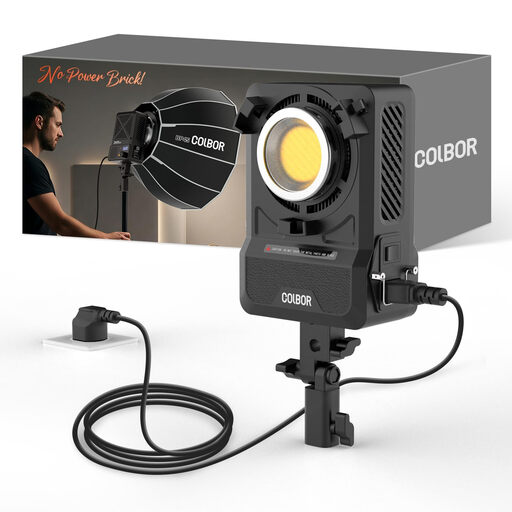
COLBOR 200W COB video light with Bowens mount
Could suit you if you want to use a COB light with a Bowens mount to add light to your work area.
Bi-colour, 2700–7000 K and adjustable brightness.
The title mentions a built-in power adapter; the description says it’s powered by a cable plugged into a mains socket.
View at Joybuy
 No image available
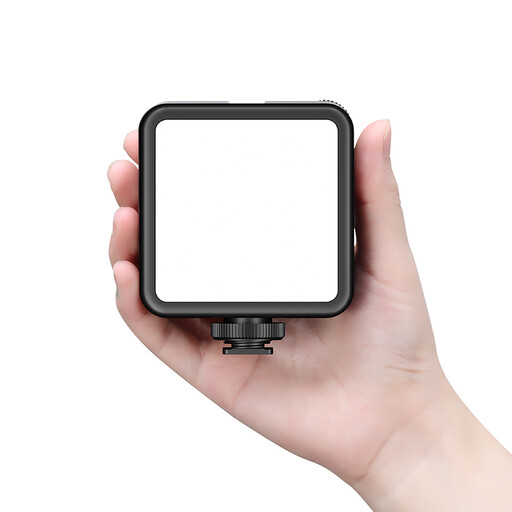
Ulanzi VL81 rechargeable LED video light
Could suit a compact, portable camera setup where you want to be able to bring extra light with you.
Rechargeable battery, adjustable brightness and a colour temperature range of 3200–5600 K.
The description mentions a cold shoe mount.
View at Joybuy
 No image available
Ulanzi VL49 RGB video light, 2000 mAh
Could suit you if you’re looking for a compact light to use in a small or portable setup.
The title lists a 2000 mAh battery, dimming and an adjustable range of 2500–9500 K.
The title mentions a magnetic back.
View at Joybuy
 No image available
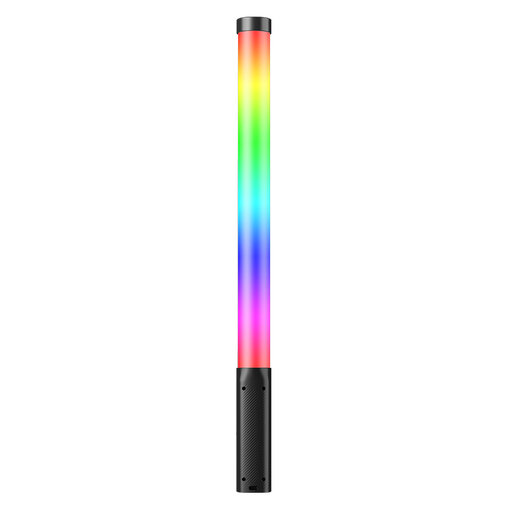
Ulanzi VL119 10W RGB light wand
Could suit a small, portable setup where you can position the light wand outside your immediate workspace.
10 W, a 120° beam angle and a 1/4-inch screw mount.
The description lists four brightness levels, a colour temperature range of 2500–9000 K and a 3300 mAh battery.
The stated running time is at least 60 minutes at maximum brightness.
View at Joybuy
 No image available
Ulanzi LM001 portable mini fill light
Could suit you if you’re looking for a small fill light for a compact or portable setup.
The description lists a magnetic base and a 1/4-inch thread.
The title lists a 500 mAh battery and a waterproof design.
View at Joybuy
Frequently asked questions
Do I always need to buy a video light when filming by a window?
No. First, record a test clip of your hands and the weaving. If the window light is enough, adjusting the positioning or using a reflector may be all you need. Fill light is useful when the shadow side isn’t visible enough.
How can I make sure different yarn colours look true to life on camera?
Assess the yarn with your own camera under the final combination of window and lamp light, and set the white balance for those conditions. Daylight changes with the conditions, so a light’s colour temperature specification alone can’t confirm the final result.
What can I do if stripes or flicker appear in my video?
Test the light at the brightness and camera settings you want to use. For areas with a 50 Hz mains frequency, Sony Support lists shutter speeds of 1/50 and 1/100 of a second among the options for reducing flicker. The camera features available vary by model.
Are a stand, softbox and battery always included?
It varies by model and version. NEEWER distinguishes between NL660 packages with and without a stand, and says that an NP-F battery isn’t included. For the 100x S, amaran lists a reflector but no softbox; SmallRig says that a softbox for the RC 60B Lite Edition is optional.
Which safety marking should I check on a light in the Netherlands?
Check that the electrical consumer light being offered on the Dutch market has the applicable CE marking. Where relevant, check the power adapter too. The Netherlands Food and Consumer Product Safety Authority explains the applicable CE requirements. A marking doesn’t tell you whether the light is suitable for filming your weaving.


